


Characteristics of 10-year survivors of high-grade serous ovarian carcinoma
- PMID: 26968641
- PMCID: PMC4844793
- DOI: 10.1016/j.ygyno.2016.03.010
Characteristics of 10-year survivors of high-grade serous ovarian carcinoma
Abstract
Objective: High-grade serous carcinoma (HGSC) generally presents at an advanced stage with poor long-term (LT) survival. Here we describe clinical features found in women surviving HGSC for ten or more years.
Methods: A multi-center research consortium was established between five participating academic centers. Patient selection criteria included high-grade serous ovarian, fallopian tube, or peritoneal carcinoma with at least ten years of follow up. Non-serous, borderline tumors and low-grade serous subtypes were excluded.
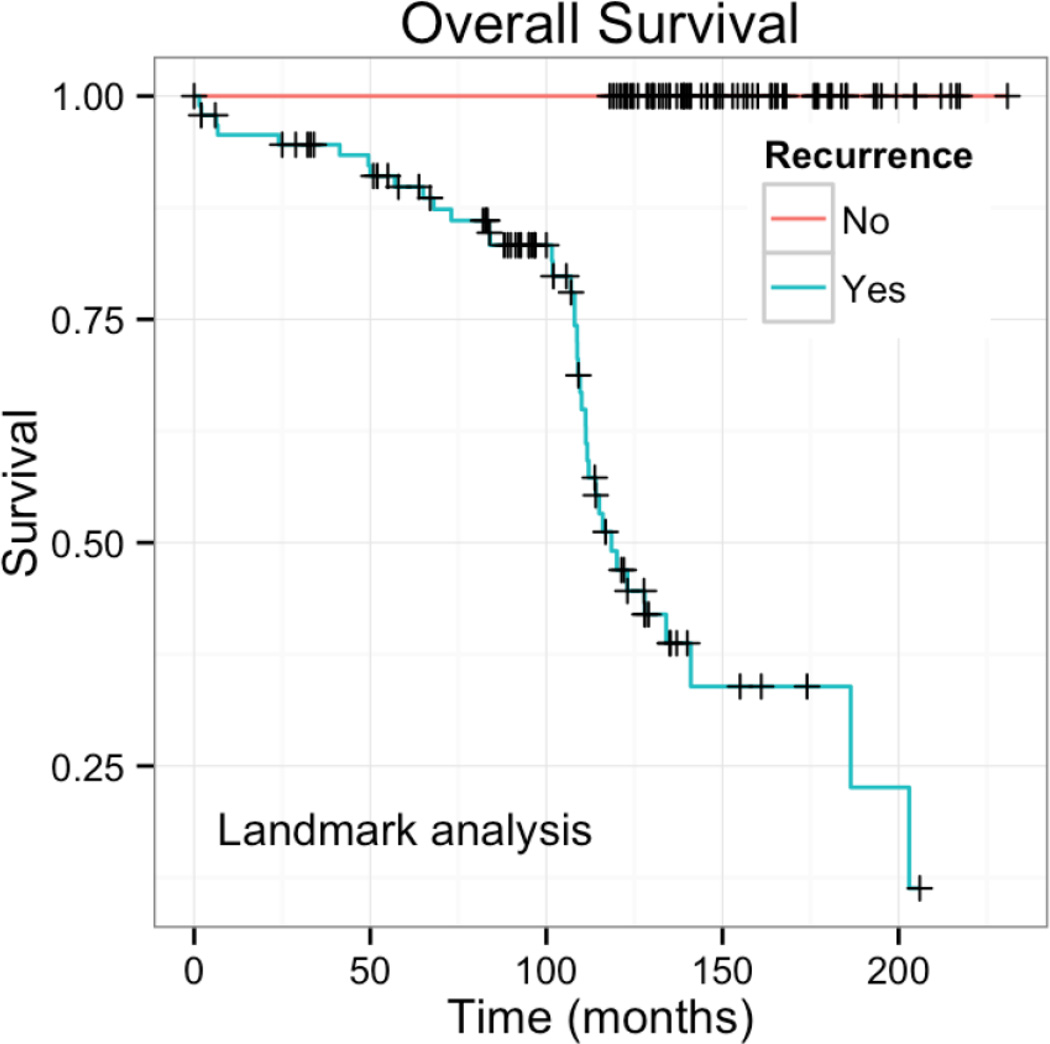
Results: The 203 identified LT ten-year survivors with HGSC were diagnosed at a median age of 57years (range 37-84years). The majority of patients had stage IIIC (72.4%) disease at presentation. Of those who underwent primary cytoreductive surgery, optimal cytoreduction was achieved in 143 (85.6%) patients. After a median follow up of 144months, 88 (46.8%) patients did not develop recurrent disease after initial treatment. Unexpected findings from this survey of LT survivors includes 14% of patients having had suboptimal cytoreduction, 11% of patients having an initial platinum free interval of <12months, and nearly 53% of patients having recurrent disease, yet still surviving more than ten years after diagnosis.
Conclusions: LT survivors of HGSC of the ovary generally have favorable clinical features including optimal surgical cytoreduction and primary platinum sensitive disease. The majority of patients will develop recurrent disease, however many remained disease free for more than 10years. Future work will compare the clinical features of this unusual cohort of LT survivors with the characteristics of HGSC patients having less favorable outcomes.
Keywords: Long-term survival; Neoadjuvant chemotherapy; Outcome; Ovarian cancer; Surgical cytoreduction; Survival.
Copyright © 2016 The Authors. Published by Elsevier Inc. All rights reserved.
Conflict of interest statement
The authors declare no competing financial interests.
Figures
References
-
- Akeson M, Jakobsen AM, Zetterqvist BM, Holmberg E, Brannstrom M, Horvath G. A population-based 5-year cohort study including all cases of epithelial ovarian cancer in western Sweden: 10-year survival and prognostic factors. Int J Gynecol Cancer. 2009;19:116–123. - PubMed
-
- Baldwin LA, Huang B, Miller RW, Tucker T, Goodrich ST, Podzielinski I, et al. Ten-year relative survival for epithelial ovarian cancer. Obstet Gynecol. 2012;120:612–618. - PubMed
-
- Barlin JN, Long KC, Tanner EJ, Gardner GJ, Leitao MM, Jr, Levine DA, et al. Optimal (</=1 cm) but visible residual disease: is extensive debulking warranted? Gynecol Oncol. 2013;130:284–288. - PubMed
Publication types
MeSH terms
Grants and funding
LinkOut - more resources
Full Text Sources
Other Literature Sources
Medical
