


Deletion of interleukin-6 alleviated interstitial fibrosis in streptozotocin-induced diabetic cardiomyopathy of mice through affecting TGFβ1 and miR-29 pathways
- PMID: 26972749
- PMCID: PMC4789642
- DOI: 10.1038/srep23010
Deletion of interleukin-6 alleviated interstitial fibrosis in streptozotocin-induced diabetic cardiomyopathy of mice through affecting TGFβ1 and miR-29 pathways
Abstract
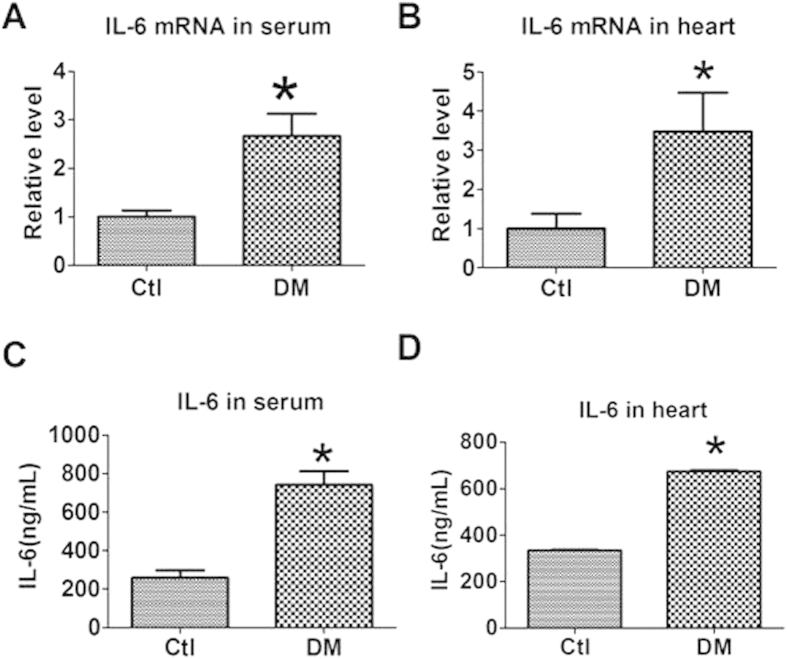
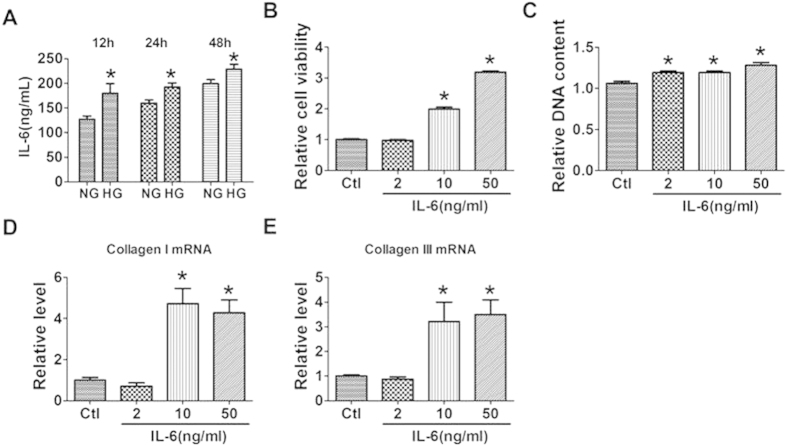
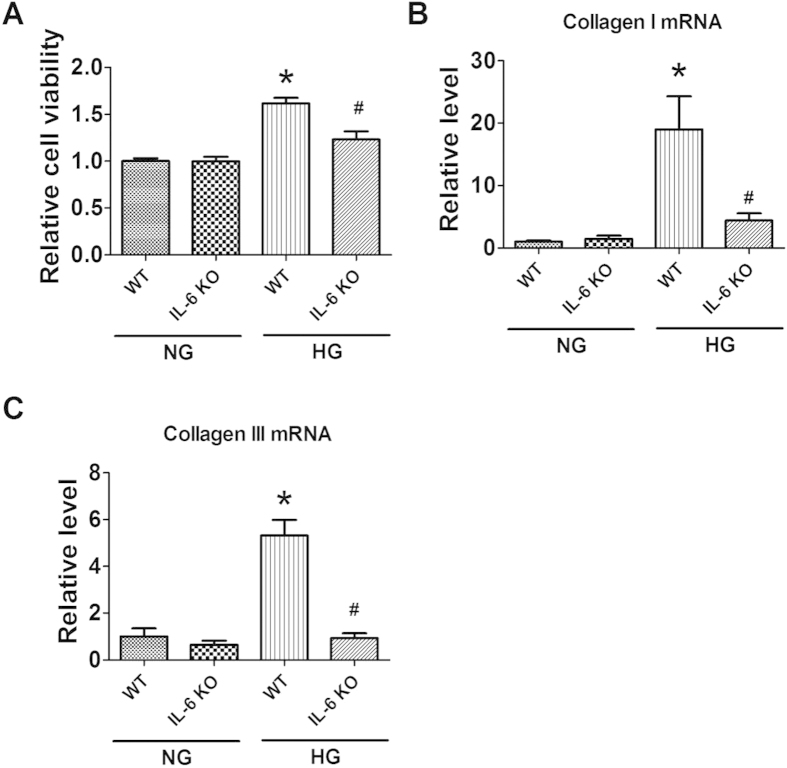
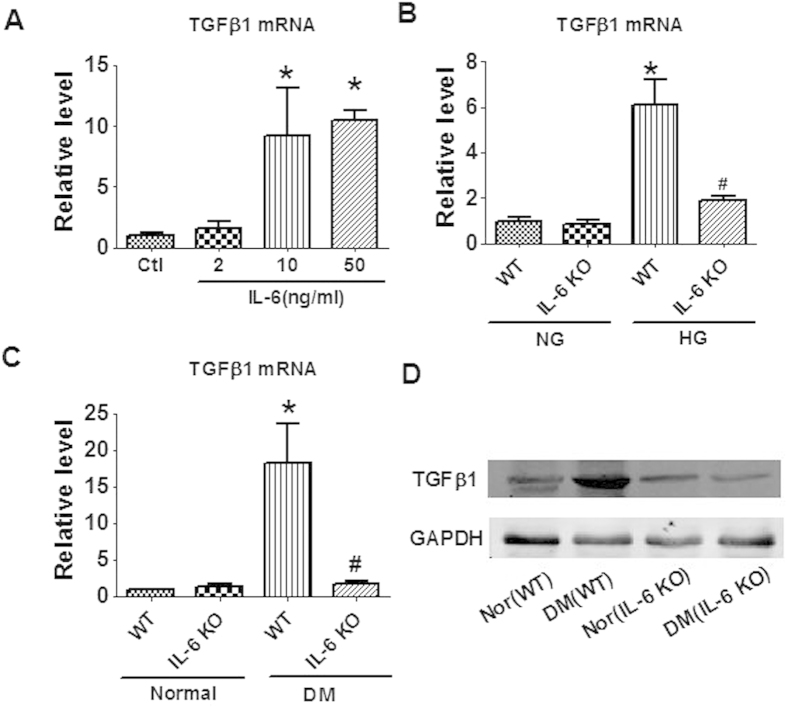
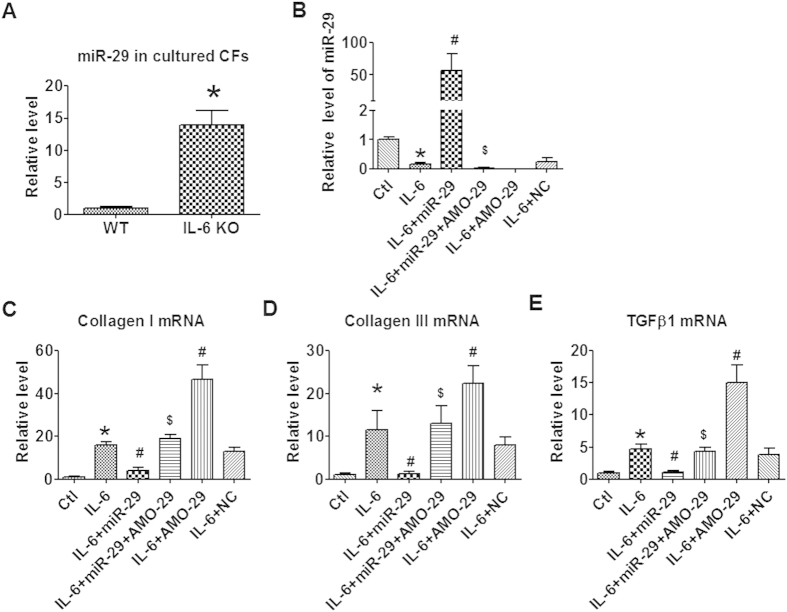
Interleukin 6 (IL-6) has been shown to be an important regulator of cardiac interstitial fibrosis. In this study, we explored the role of interleukin-6 in the development of diabetic cardiomyopathy and the underlying mechanisms. Cardiac function of IL-6 knockout mice was significantly improved and interstitial fibrosis was apparently alleviated in comparison with wildtype (WT) diabetic mice induced by streptozotocin (STZ). Treatment with IL-6 significantly promoted the proliferation and collagen production of cultured cardiac fibroblasts (CFs). High glucose treatment increased collagen production, which were mitigated in CFs from IL-6 KO mice. Moreover, IL-6 knockout alleviated the up-regulation of TGFβ1 in diabetic hearts of mice and cultured CFs treated with high glucose or IL-6. Furthermore, the expression of miR-29 reduced upon IL-6 treatment, while increased in IL-6 KO hearts. Overexpression of miR-29 blocked the pro-fibrotic effects of IL-6 on cultured CFs. In summary, deletion of IL-6 is able to mitigate myocardial fibrosis and improve cardiac function of diabetic mice. The mechanism involves the regulation of IL-6 on TGFβ1 and miR-29 pathway. This study indicates the therapeutic potential of IL-6 suppression on diabetic cardiomyopathy disease associated with fibrosis.
Figures




References
-
- Galderisi M. Diastolic dysfunction and diabetic cardiomyopathy: evaluation by Doppler echocardiography. J Am Coll Cardiol 48, 1548–1551 (2006). - PubMed
-
- Goyal B. R. & Mehta A. A. Diabetic cardiomyopathy: pathophysiological mechanisms and cardiac dysfuntion. Hum Exp Toxicol 32, 571–590 (2013). - PubMed
-
- Wang W. K. et al. Inhibition of high-mobility group box 1 improves myocardial fibrosis and dysfunction in diabetic cardiomyopathy. Int J Cardiol 172, 202–212 (2014). - PubMed
Publication types
MeSH terms
Substances
LinkOut - more resources
Full Text Sources
Other Literature Sources
Medical
Research Materials
