Review
. 2016 Apr 1;126(4):1163-72.
doi: 10.1172/JCI81130. Epub 2016 Mar 14.

Versatile roles of extracellular vesicles in cancer

Review

Versatile roles of extracellular vesicles in cancer

Nobuyoshi Kosaka et al. J Clin Invest. .

Abstract

Numerous studies have shown that non-cell-autonomous regulation of cancer cells is an important aspect of tumorigenesis. Cancer cells need to communicate with stromal cells by humoral factors such as VEGF, FGFs, and Wnt in order to survive. Recently, extracellular vesicles (EVs) have also been shown to be involved in cell-cell communication between cancer cells and the surrounding microenvironment and to be important for the development of cancer. In addition, these EVs contain small noncoding RNAs, including microRNAs (miRNAs), which contribute to the malignancy of cancer cells. Here, we provide an overview of current research on EVs, especially miRNAs in EVs. We also propose strategies to treat cancers by targeting EVs around cancer cells.


Figures
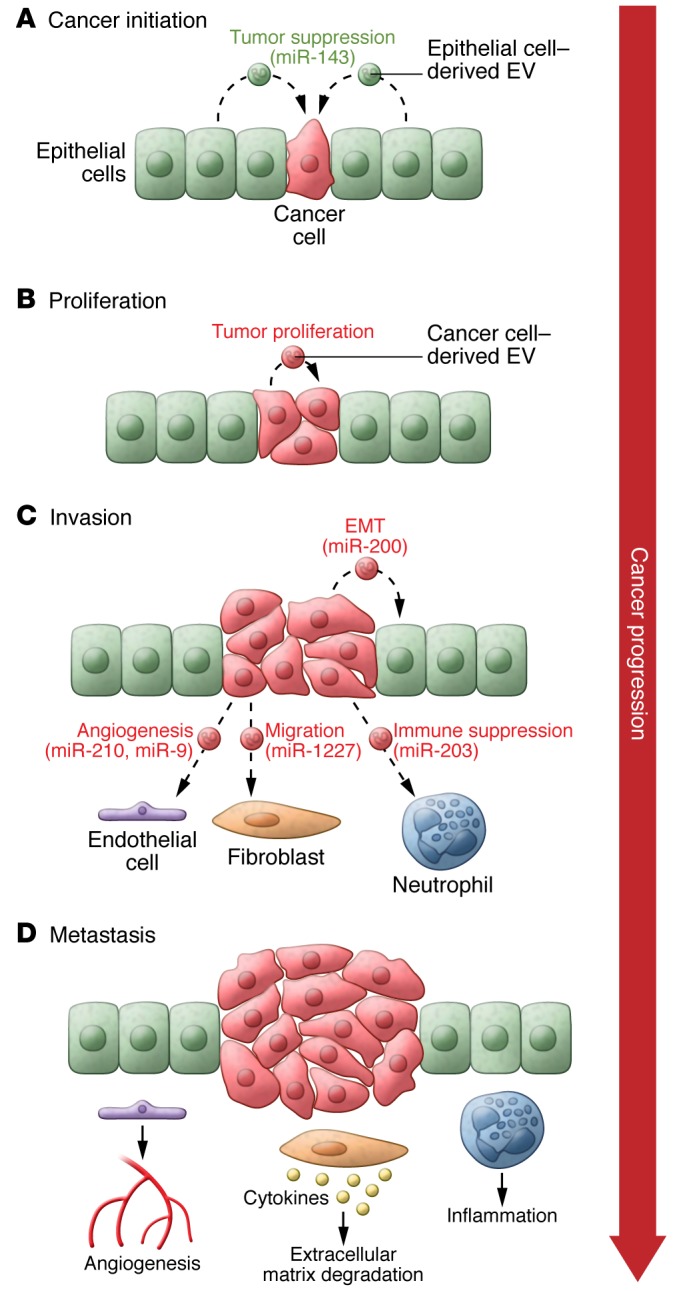
Figure 1
Figure 1. EVs from cancer cells manipulate the cells in their microenvironment.
EVs are involved in every step of cancer development. During cancer initiation (A), normal cells (epithelial cells) attempt to prevent the outgrowth of precancerous cells (or cancer cells) by secreting antiproliferative miRNAs through EVs; however, the cancer cells can circumvent this inhibitory machinery, finally resulting in tumor expansion (B). Cancer cells utilize EVs to mediate horizontal transfer of genes that promote proliferation to cancer cells that do not harbor those genes (B). Cancer cell–derived EVs promote cancer malignancy (i.e., the induction of inflammation by infiltrating neutrophils) (C and D). Additionally, cancer cell–derived EVs activate fibroblasts, leading to extracellular matrix degradation and the induction of cancer-promoting cytokines (C and D). When the tumor microenvironment is hypoxic, cancer cells secrete angiogenesis-inducing EVs that help to overcome oxygen and nutrition deficiency by activating endothelial cells to stimulate vascularization (C and D), contributing to further cancer development, such as metastasis (D).
Figure 2
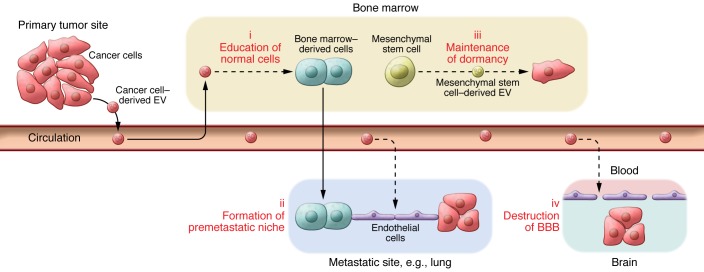
Figure 2. The roles of cancer cell–derived EVs and their development.
EVs derived from cancer cells infiltrate BM cells (i), leading to the formation of a premetastatic niche (ii). Additionally, cancer cell–derived EVs directly alter the metastatic site to induce angiogenesis. Transfer of EV-associated miRNAs from BM mesenchymal stem cells regulates breast cancer cell dormancy in a metastatic niche (iii). Furthermore, brain metastasis is mediated by EVs triggers the destruction of the BBB (iv).
Figure 3
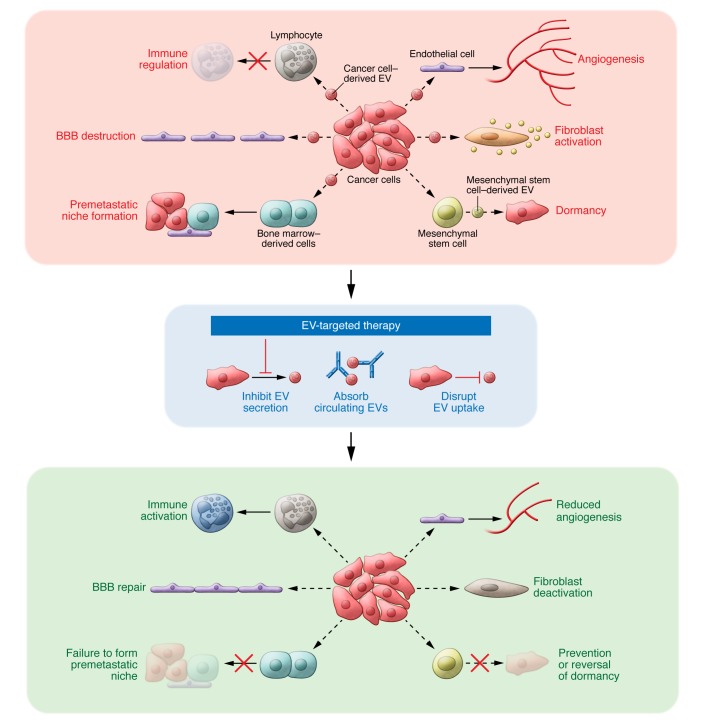
Figure 3. Therapeutic strategies against cancer-derived EVs.
EVs are secreted from cancer cells and delivered to recipient cells, modulating their phenotype. For example, EVs from cancer cells are delivered to endothelial cells, which enhances angiogenesis to obtain the oxygen and nutrition required for continued growth of the cancer. We propose the following therapeutic applications: inhibition of cancer cell EV production, disruption of EV uptake by recipient cells, and elimination of circulating cancer cell–derived EVs. These therapeutic strategies will prevent the delivery of EVs from cancer cells to microenvironmental cells, leading to the development of novel antiangiogenic and anticancer drugs.

References

    1. Valadi H, et al. Exosome-mediated transfer of mRNAs and microRNAs is a novel mechanism of genetic exchange between cells. Nat Cell Biol. 2007;9(6):654–659. doi: 10.1038/ncb1596. - DOI - PubMed
    1. Raposo G, Stoorvogel W. Extracellular vesicles: exosomes, microvesicles, and friends. J Cell Biol. 2013;200(4):373–383. doi: 10.1083/jcb.201211138. - DOI - PMC - PubMed
    1. Kosaka N, Iguchi H, Ochiya T. Circulating microRNA in body fluid: a new potential biomarker for cancer diagnosis and prognosis. Cancer Sci. 2010;101(10):2087–2092. doi: 10.1111/j.1349-7006.2010.01650.x. - DOI - PMC - PubMed
    1. Pegtel DM, et al. Functional delivery of viral miRNAs via exosomes. Proc Natl Acad Sci U S A. 2010;107(14):6328–6333. doi: 10.1073/pnas.0914843107. - DOI - PMC - PubMed
    1. Kosaka N, Iguchi H, Yoshioka Y, Takeshita F, Matsuki Y, Ochiya T. Secretory mechanisms and intercellular transfer of microRNAs in living cells. J Biol Chem. 2010;285(23):17442–17452. doi: 10.1074/jbc.M110.107821. - DOI - PMC - PubMed

Publication types