


Septal oxytocin administration impairs peer affiliation via V1a receptors in female meadow voles
- PMID: 26974500
- PMCID: PMC4851907
- DOI: 10.1016/j.psyneuen.2016.02.025
Septal oxytocin administration impairs peer affiliation via V1a receptors in female meadow voles
Abstract
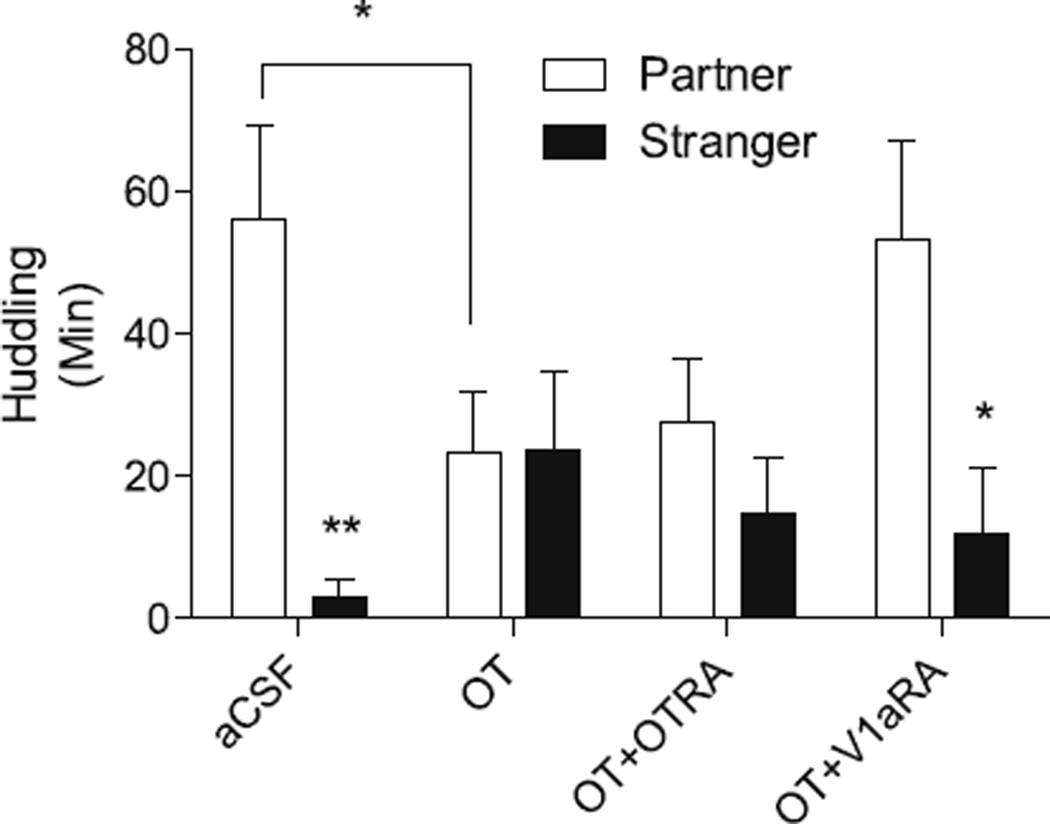
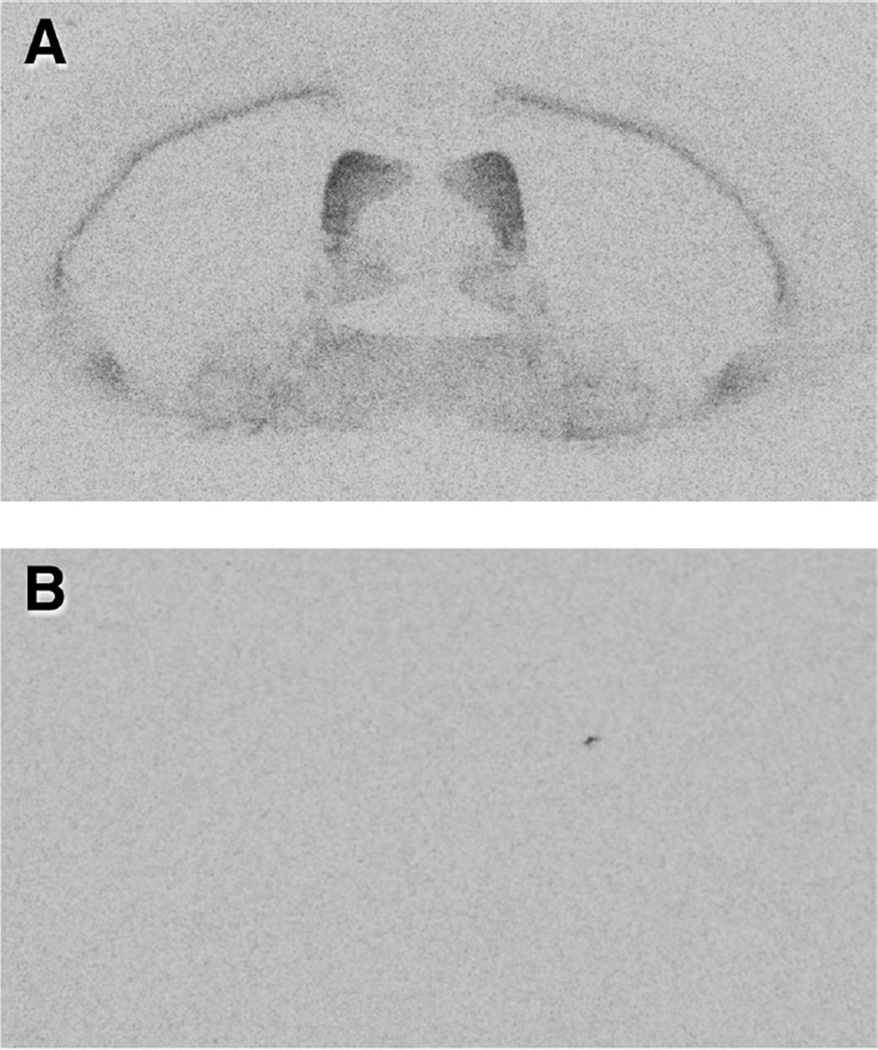
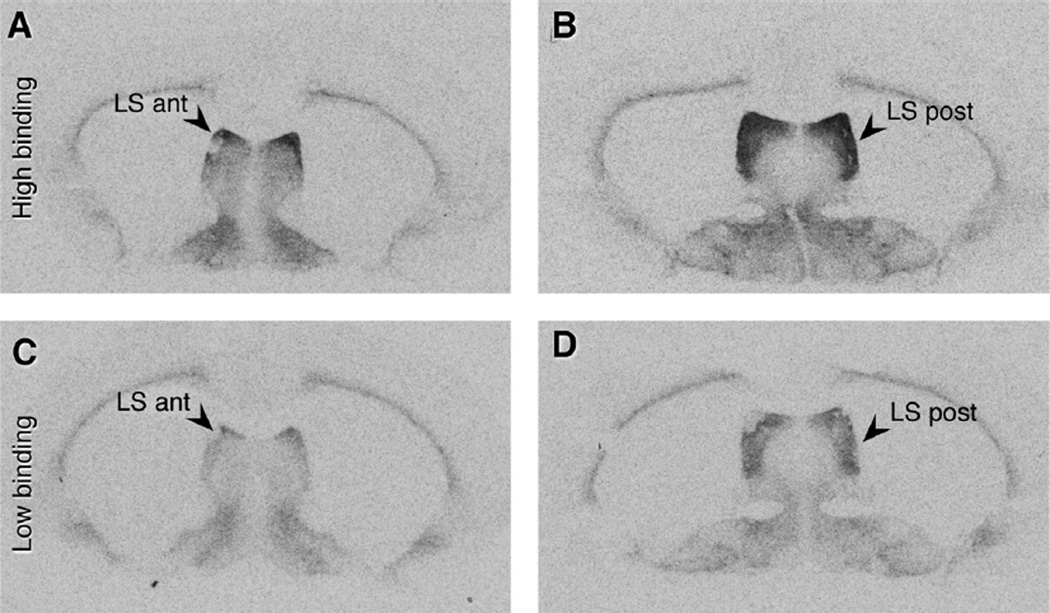
The peptide hormone oxytocin (OT) plays an important role in social behaviors, including social bond formation. In different contexts, however, OT is also associated with aggression, social selectivity, and reduced affiliation. Female meadow voles form social preferences for familiar same-sex peers under short, winter-like day lengths in the laboratory, and provide a means of studying affiliation outside the context of reproductive pair bonds. Multiple lines of evidence suggest that the actions of OT in the lateral septum (LS) may decrease affiliative behavior, including greater density of OT receptors in the LS of meadow voles that huddle less. We infused OT into the LS of female meadow voles immediately prior to cohabitation with a social partner to determine its effects on partner preference formation. OT prevented the formation of preferences for the partner female. Co-administration of OT with a specific OT receptor antagonist did not reverse the effect, but co-administration of OT with a specific vasopressin 1a receptor (V1aR) antagonist did, indicating that OT in the LS likely acted through V1aRs to decrease partner preference. Receptor autoradiography revealed dense V1aR binding in the LS of female meadow voles. These results suggest that the LS is a brain region that may be responsible for inhibitory effects of OT administration on affiliation, which will be important to consider in therapeutic administrations of OT.
Keywords: Lateral septum; Meadow vole; Oxytocin; Social behavior; Vasopressin; Vasopressin 1a receptor.
Copyright © 2016 Elsevier Ltd. All rights reserved.
Conflict of interest statement
The authors have no conflicts of interest to report.
Figures
References
-
- Anacker AM, Reitz KM, Goodwin NL, Beery AK. Stress impairs new but not established relationships in seasonally social voles. Horm. Behav. 2016;79:52–57. - PubMed
-
- Bamshad M, Novak MA, De Vries GJ. Sex and species differences in the vasopressin innervation of sexually naive and parental prairie voles, Microtus ochrogaster and meadow voles, Microtus pennsylvanicus. J. Neuroendocrinol. 1993;5:247–255. - PubMed
Publication types
MeSH terms
Substances
Grants and funding
LinkOut - more resources
Full Text Sources
Other Literature Sources
