


A study of the osmotic characteristics, water permeability, and cryoprotectant permeability of human vaginal immune cells
- PMID: 26976225
- PMCID: PMC4829375
- DOI: 10.1016/j.cryobiol.2016.03.003
A study of the osmotic characteristics, water permeability, and cryoprotectant permeability of human vaginal immune cells
Abstract
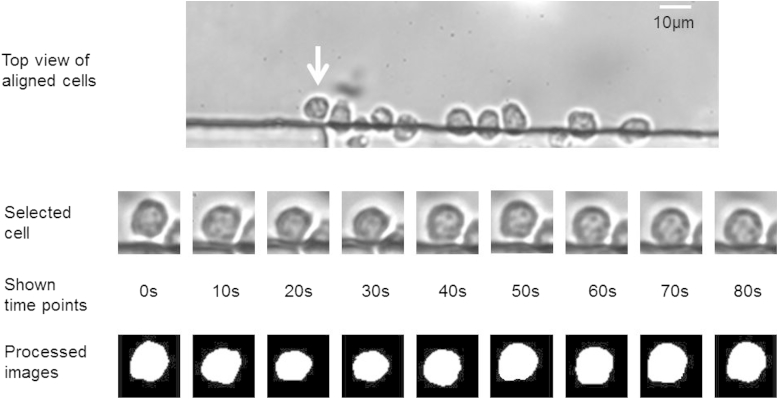
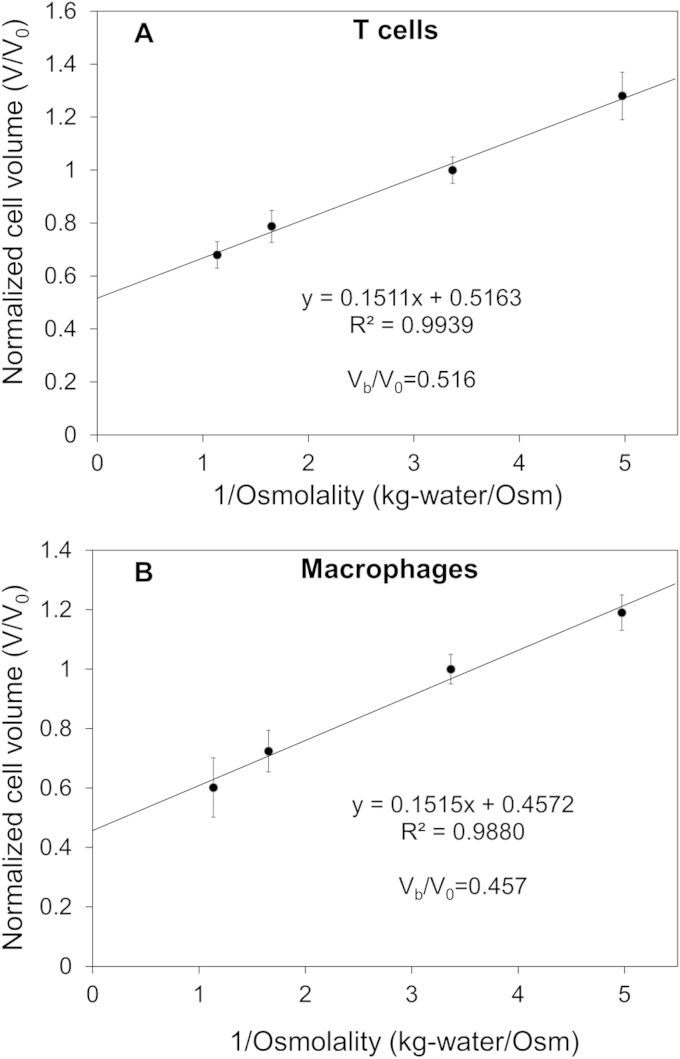
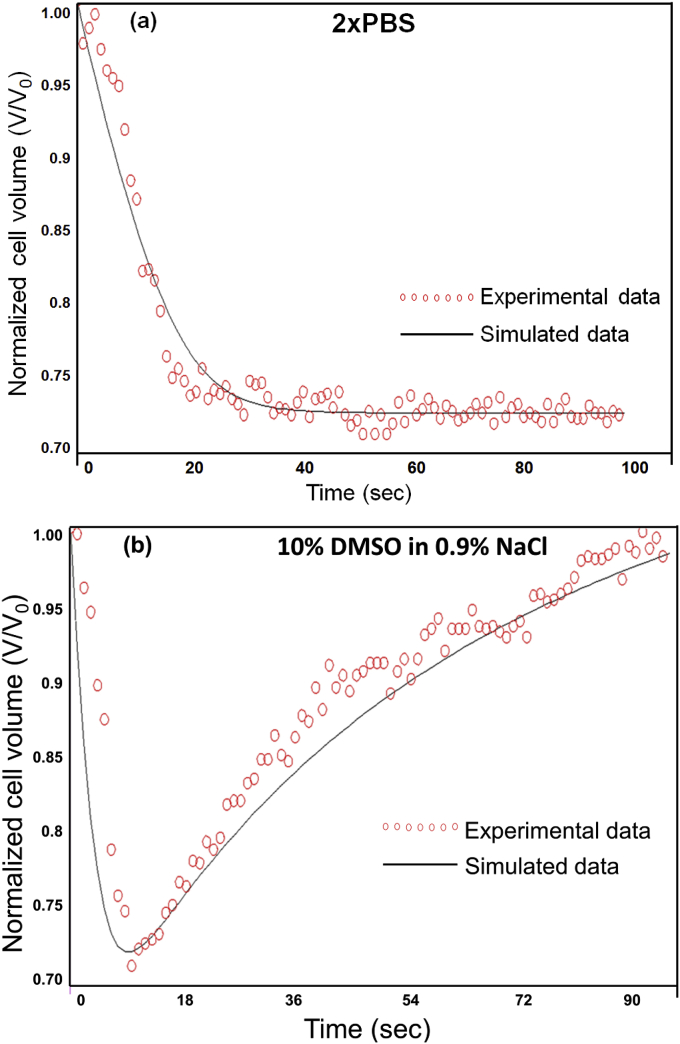
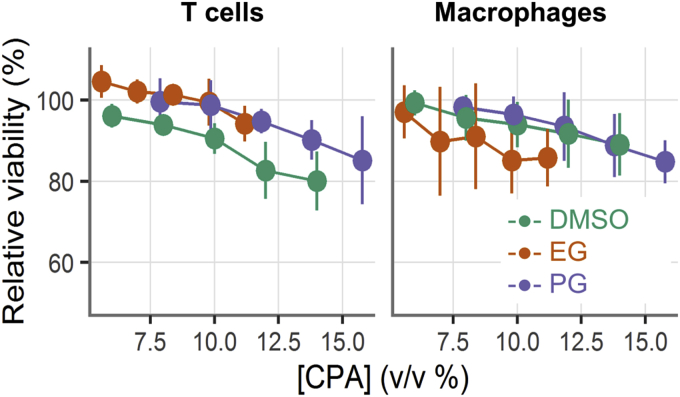
Cryopreservation of specimens taken from the genital tract of women is important for studying mucosal immunity during HIV prevention trials. However, it is unclear whether the current, empirically developed cryopreservation procedures for peripheral blood cells are also ideal for genital specimens. The optimal cryopreservation protocol depends on the cryobiological features of the cells. Thus, we obtained tissue specimens from vaginal repair surgeries, isolated and flow cytometry-purified immune cells, and determined fundamental cryobiological characteristics of vaginal CD3(+) T cells and CD14(+) macrophages using a microfluidic device. The osmotically inactive volumes of the two cell types (Vb) were determined relative to the initial cell volume (V0) by exposing the cells to hypotonic and hypertonic saline solutions, evaluating the equilibrium volume, and applying the Boyle van't Hoff relationship. The cell membrane permeability to water (Lp) and to four different cryoprotective agent (CPA) solutions (Ps) at room temperature were also measured. Results indicated Vb values of 0.516 V0 and 0.457 V0 for mucosal T cells and macrophages, respectively. Lp values at room temperature were 0.196 and 0.295 μm/min/atm for T cells and macrophages, respectively. Both cell types had high Ps values for the three CPAs, dimethyl sulfoxide (DMSO), propylene glycol (PG) and ethylene glycol (EG) (minimum of 0.418 × 10(-3) cm/min), but transport of the fourth CPA, glycerol, occurred 50-150 times more slowly. Thus, DMSO, PG, and EG are better options than glycerol in avoiding severe cell volume excursion and osmotic injury during CPA addition and removal for cryopreservation of human vaginal immune cells.
Keywords: Cryobiological characteristics; Cryopreservation; Human vaginal mucosa; Macrophage; Microfluidic perfusion channel; T cell.
Published by Elsevier Inc.
Figures
References
-
- Chen H., Purtteman J.J.P., Heimfeld S., Folch A., Gao D. Development of a microfluidic device for determination of cell osmotic behavior and membrane transport properties. Cryobiology. 2007;55:200–209. - PubMed
-
- Chen H., Shen H., Heimfeld S., Tran K.K., Reems J., Folch A., Gao D. A microfluidic study of mouse dendritic cell membrane transport properties of water and cryoprotectants. Int. J. Heat Mass Transf. 2008;51:5687–5694.
-
- Devireddy Ramachandra V., Raha Debopam, Bischof John C. Measurement of water transport during freezing in cell suspensions using a differential scanning calorimeter. Cryobiology. 1998;36:124–155. - PubMed
Publication types
MeSH terms
Substances
Grants and funding
LinkOut - more resources
Full Text Sources
Other Literature Sources
Research Materials
Miscellaneous
