. 2016 Mar 2;20 Suppl 1(Suppl 1):45.
doi: 10.1186/s13054-016-1204-x.

Sepsis 2016 Agra, India. Agra, India. 5-6 February 2016

Surinder Kumar Sharma  1 Anurag Rohatgi  1 Mansi Bajaj  1 Charles L. Sprung  2 Ricardo Calderon Morales  2 Harvey Kasdan  3 Allon Reiter  3 Tobias Volker  3 Julien Meissonnier  3 Natalia Beloborodova  4 Viktor Moroz  4 Aleksandra Bedova  4 Yulia Sarshor  4 Artem Osipov  4 Katerina Chernevskaya  4 Nadezhda Fedotcheva  5 Ekaterina Chernevskaya  4 Natalia Beloborodova  4 Hisashi Imahase  6 Kosuke C. Yamada  6 Yuichiro Sakamoto  6 Miho Ohta  6 Ryota Sakurai  6 Mayuko Yahata  6 Mitsuru Umeka  6 Toru Miike  6 Hiroyuki Koami  6 Futoshi Nagashima  6 Takashi Iwamura  6 Satoshi Inoue  6 Zhifeng Li  7 Dennis Grech  7 Patrick Morcillo  7 Alex Bekker  7 Luis Ulloa  7 Samanwoy Mukhopadhyay  8 Abhay D. Pandey  8 Samsiddhi Bhattacharjee  8 Saroj K. Mohapatra  8 Julie K. Wilson  9 Savita Jadhav  10 Rabindra Nath Misra  10 Nageswari Gandham  10 Kalpana Angadi  10 Chanda Vywahare  10 Neetu Gupta  10 Deepali Desai  10 Anahita Bakochi  11 Tirthankar Mohanty  11 Adam Linder  11 Johan Malmström  11 Dimple Anand  12 Seema Bhargava  12 Lalit Mohan Srivastava  12 Sumit Ray  13 Jane Fisher  11 Peter Bentzer  14 Adam Linder  11 Luis Henrique Angenendt da Costa  15 Nilton Nascimentos dos Santos Júnior  15 Carlos Henrique Rocha Catalão  15 Maria José Alves da Rocha  16 Alfredo Focà  17 Cinzia Peronace  17 Giovanni Matera  17 Aida Giancotti  17 Giorgio Settimo Barreca  17 Angela Quirino  17 Maria Teresa Loria  17 Pio Settembre  17 Maria Carla Liberto  17 Bruno Amantea  18 Christiane Hartog  19   20 Claudia Moeller  19 Carolin Fleischmann  19   20 Daniel Thomas-Rueddel  19 Vlasislav Vlasakov  19 Bram Rochwerg  21 Philip Theurer  19 Konrad Reinhart  19   20 Anna E. Smith  22 Sandra D. Taylor  22 Christopher Da Costa  23 Amanda Radford  23 Terry Lee  24 Joel Singer  24 John Boyd  25   26 David Fineberg  23 Mark Williams  23 James A. Russell  25   26
Affiliations

Sepsis 2016 Agra, India. Agra, India. 5-6 February 2016

Surinder Kumar Sharma et al. Crit Care. .

Abstract

P1 D-Dimer in adult patients with presumed sepsis and their clinical outcomes

Surinder Kumar Sharma, Anurag Rohatgi, Mansi Bajaj

P2 Diagnosis of infection utilizing Acellix CD64

Charles L. Sprung, Ricardo Calderon Morales, Harvey Kasdan, Allon Reiter, Tobias Volker, Julien Meissonnier

P3 High levels of phenylcarboxylic acids reflect the severity in ICU patients and affect phagocytic activity of neutrophils

Natalia Beloborodova, Viktor Moroz, Aleksandra Bedova, Yulia Sarshor, Artem Osipov, Katerina Chernevskaya

P4 The role of bacterial phenolic metabolites in mitochondrial dysfunction

Nadezhda Fedotcheva, Ekaterina Chernevskaya, Natalia Beloborodova

P5 The early diagnosis of severe sepsis and judgment of rapid transport to critical care center: better prognostic factor

Hisashi Imahase, Kosuke C Yamada, Yuichiro Sakamoto, Miho Ohta, Ryota Sakurai, Mayuko Yahata, Mitsuru Umeka, Toru Miike, Hiroyuki Koami, Futoshi Nagashima, Takashi Iwamura, Satoshi Inoue

P6 Translational neuromodulation of the immune system

Zhifeng Li, Dennis Grech, Patrick Morcillo, Alex Bekker, Luis Ulloa

P7 Pathway-level meta-analysis reveals transcriptional signature of septic shock

Samanwoy Mukhopadhyay, Abhay D Pandey, Samsiddhi Bhattacharjee, Saroj K Mohapatra

P8 Antibiotic dosing in septic patients on the critical care unit - a literature review

Julie K Wilson

P9 Pandemic of Escherichia coli clone O25: H4-ST131 producing CTX-M-15 extended spectrum- β- lactamase- as serious cause of multidrug resistance extraintestinal pathogenic E. coli infections in India

Savita Jadhav, Rabindra Nath Misra, Nageswari Gandham, Kalpana Angadi, Chanda Vywahare, Neetu Gupta, Deepali Desai

P10 Detection and characterization of meningitis using a DDA-based mass spectrometry approach

Anahita Bakochi, Tirthankar Mohanty, Adam Linder, Johan Malmström

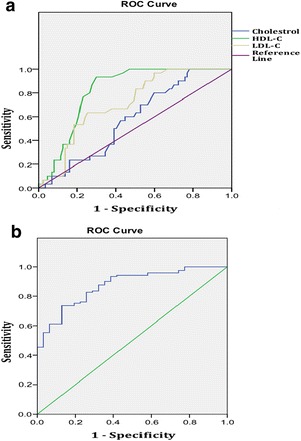
P11 Diagnostic usefulness of lipid profile and procalcitonin in sepsis and trauma patients

Dimple Anand, Seema Bhargava, Lalit Mohan Srivastava, Sumit Ray

P12 Heparin – a novel therapeutic in sepsis?

Jane Fisher, Peter Bentzer, Adam Linder

P13 Hypothalamic impairment is associated with vasopressin deficiency during sepsis

Luis Henrique Angenendt da Costa, Nilton Nascimentos dos Santos Júnior Carlos Henrique Rocha Catalão, Maria José Alves da Rocha

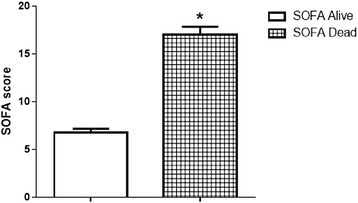
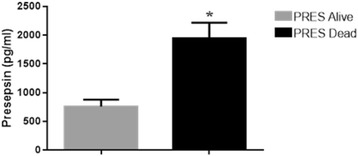
P14 Presepsin (soluble CD14 subtype) is a dependable prognostic marker in critical septic patients

Alfredo Focà, Cinzia Peronace, Giovanni Matera, Aida Giancotti, Giorgio Settimo Barreca, Angela Quirino, Maria Teresa Loria, Pio Settembre, Maria Carla Liberto, Bruno Amantea

P15 Safety and efficacy of gelatin-containing solutions versus crystalloids and albumin - a systematic review with quantitative and qualitative summaries

Christiane Hartog, Christiane Hartog, Claudia Moeller, Carolin Fleischmann, Daniel Thomas-Rueddel, Vlasislav Vlasakov, Bram Rochwerg, Philip Theurer, Konrad Reinhart

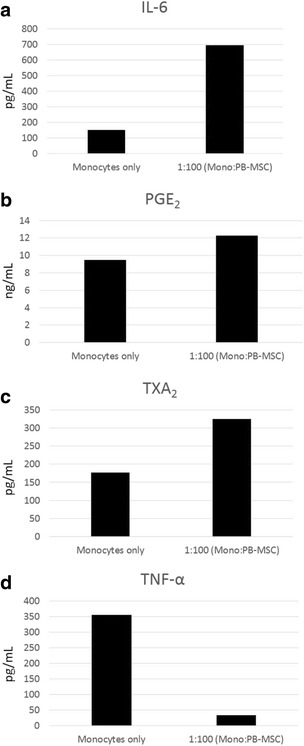
P16 Immunomodulatory properties of peripheral blood mesenchymal stem cells following endotoxin stimulation in an equine model

Anna E. Smith, Sandra D. Taylor

P17 Frequency and outcome of early sepsis-associated coagulopathy

Christopher Da Costa, Amanda Radford, Terry Lee, Joel Singer, John Boyd, David Fineberg, Mark Williams, James A Russell


Figures
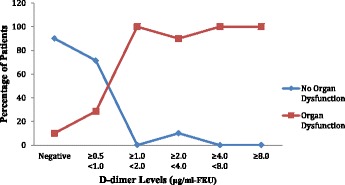
Fig. 1
Fig. 1
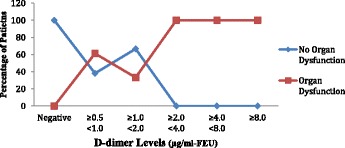
(abstract P1). Distribution of Organ Dysfunction across the range of D-dimer levels on day 0. (n = 60)
Fig. 2
Fig. 2
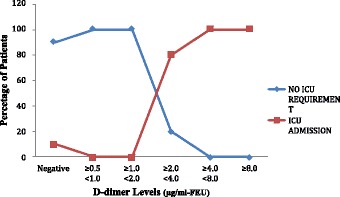
(abstract P1). Distribution of Organ Dysfunction across the range of D-dimer levels on day 2. (n = 60)
Fig. 3
Fig. 3
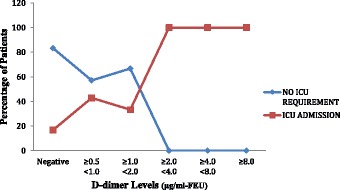
(abstract P1). Distribution of ICU requirement across the range of D-dimer levels on day 0. (n = 60)
Fig. 4
Fig. 4
(abstract P1). Distribution of ICU admission across the range of D-dimer levels on day 2. (n = 60)
Fig. 5
Fig. 5
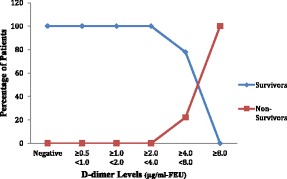
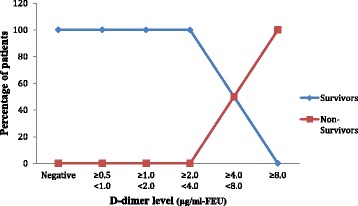
(abstract P1). Distribution of Mortality across the range of D-dimer levels on day 0. (n = 60)
Fig. 6
Fig. 6
(abstract P1). Distribution of Mortality across the range of D-dimer levels on day 2. (n = 60)
Fig. 7
Fig. 7
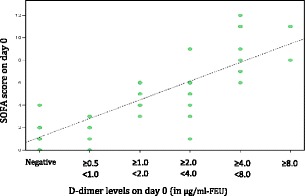
(abstract P1). Scatter Plot showing SOFA Score on Day 0 as a function of D-dimer levels on Day 0
Fig. 8
Fig. 8
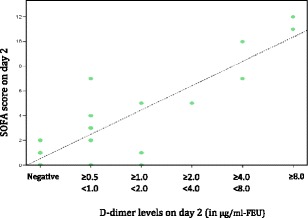
(abstract P1). Scatter Plot showing SOFA Scores at 48 hrs (Day 2) as a function of D-dimer levels at 48 hrs (Day 2)
Fig. 9
Fig. 9
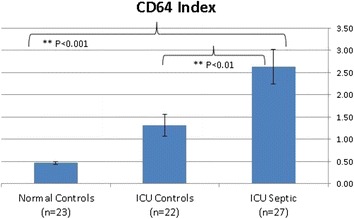
(abstract P2).
Fig. 10
Fig. 10
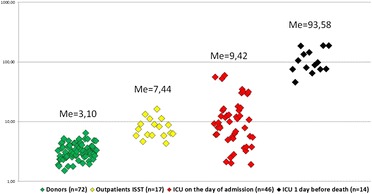
(abstract P3). Total level of PhCAs, μM
Fig. 11
Fig. 11
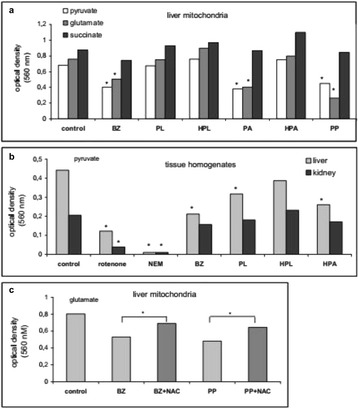
(abstract P4). Influence of phenolic acids on oxidative metabolism in liver mitochondria (a), tissue homogenates (b) and removing their inhibitory effect by N-acetylcysteine (c). Optical density of reduced NBT in the presence of 5 mM substrate and 100 μM phenolic acid – benzoic (BZ), phenyllactic (PL), p-hydroxyphenyllactic (HPL), phenylacetic (PA), p-hydroxyphenylacetic and phenylpropionic (PP) acids is presented. Inhibitors of NAD-dependent oxidation rotenone and N-ethylmaleimide (NEM) confirm the substrate specificity of NBT reduction. Antioxidant N-acetylcysteine (1 mM) prevents the inhibition induced by phenolic acids. * р < 0,05 compared with the corresponding control.
Fig. 12
Fig. 12
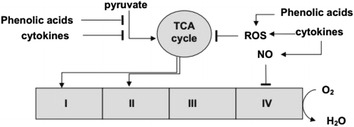
(abstract P4). Contribution of phenolic acids and cytokines to the mitochondrial dysfunction. Cytokines indirectly (through signaling molecules) inhibit pyruvate dehydrogenase and induce NO and ROS production. Some of bacterial phenolic acid directly inhibit NAD-dependent oxidation and regulate ROS production
Fig. 13
Fig. 13
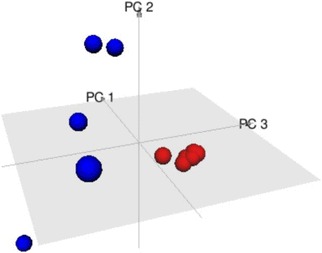
(abstract P7). Three dimensional plot of Principal Component Analysis (PCA) of Septic Shock (in red) and sepsis (in blue) studies. Each point represents the fold-change in gene expression of the Osteoclast Differentiation Pathway in a single study. The septic shock and sepsis studies appear well separated from each other in the three dimensional space. The sepsis studies clearly show more intra-group heterogeneity compared to septic shock studies that form a small tight cluster
Fig. 14
Fig. 14
(abstract P11). Receiver Operating Characteristic analysis Curve for Lipid profile and Procalcitonin in sepsis versus trauma patients. a Lipids. b Procalcitonin
Fig. 15
Fig. 15
(abstract P14).
Fig. 16
Fig. 16
(abstract P14).
Fig. 17
Fig. 17
(abstract P16).