


Behavioural interventions for people living with adult-onset primary dystonia: a systematic review
- PMID: 27000094
- PMCID: PMC4802601
- DOI: 10.1186/s12883-016-0562-y
Behavioural interventions for people living with adult-onset primary dystonia: a systematic review
Abstract
Background: Primary dystonia is a chronic neurological movement disorder that causes abnormal muscle movements. Pain and emotional distress may accompany these physical symptoms. Behavioural interventions are used to help people with long term conditions improve their quality of life. Little is known about behavioural interventions applied to Dystonia. We report a systematic review of studies reporting current evidence of behavioural interventions for people with primary dystonia.
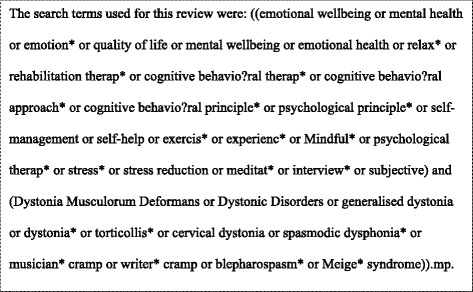
Methods: We did systematic searches of Medline, PsycINFO, AHMED and CINAHL. We assessed the methodological quality of included studies using a risk of bias tool. Any disagreements were resolved by liaising with an independent rater. Physiological outcomes such as dystonia severity and psychological outcomes such as sleep and depression were selected on the basis that primary dystonia causes motor and non-motor symptoms. No time limit was placed on the searches. A narrative synthesis of the results is presented.
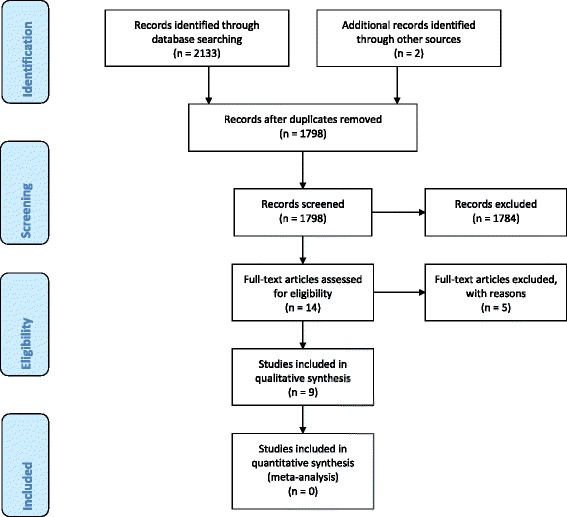
Results: Of 1798 titles and abstracts screened, 14 full articles were retrieved and inclusion and exclusion criteria applied. Of these a final nine were eligible for the review (N = 73). Only two were Randomised Controlled Trials (RCTs). Using the Movement Disorders Society (MDS) dystonia classification, that was published after this work started, all of the included studies were of idiopathic adult onset focal dystonia without associated features. These included: blepharospasm (eye dystonia) (N = 1), cervical dystonia (neck dystonia) (N = 2), writer's cramp (hand dystonia) (N = 3) and the yips (N = 3). No studies reported on dystonia that affects two or more body regions. Studies reported good adherence and response rates to treatment. Physiological and psychological improvements were noted in all studies at weekly, monthly and yearly follow-ups. Caution should be taken when interpreting the results because of the scarcity of RCTs identified, use of small sample sizes, and inappropriate statistical methods.
Conclusion: We identified few studies; mainly of poor methodological quality that all studied a focal dystonia. It is not possible to draw firm conclusions. Nevertheless, the data suggests that a combined behavioural therapy approach including relaxation practice for people with idiopathic adult onset focal dystonia merits further investigation.
Keywords: Behavioural interventions; Idiopathic adult onset dystonia; Quality of life; Self-management.
Figures
References
Publication types
MeSH terms
LinkOut - more resources
Full Text Sources
Other Literature Sources
Research Materials
Miscellaneous
