


A systematic review of the health and well-being impacts of school gardening: synthesis of quantitative and qualitative evidence
- PMID: 27015672
- PMCID: PMC4807565
- DOI: 10.1186/s12889-016-2941-0
A systematic review of the health and well-being impacts of school gardening: synthesis of quantitative and qualitative evidence
Erratum in
-
Erratum to: A systematic review of the health and well-being impacts of school gardening: synthesis of quantitative and qualitative evidence.BMC Public Health. 2016 Oct 5;16(1):1051. doi: 10.1186/s12889-016-3736-z. BMC Public Health. 2016. PMID: 27716134 Free PMC article. No abstract available.
Abstract
Background: School gardening programmes are increasingly popular, with suggested benefits including healthier eating and increased physical activity. Our objectives were to understand the health and well-being impacts of school gardens and the factors that help or hinder their success.
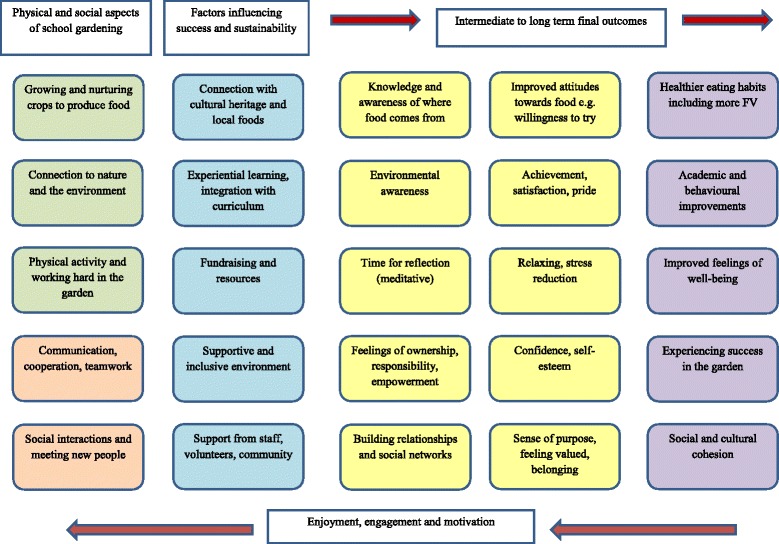
Methods: We conducted a systematic review of quantitative and qualitative evidence (PROSPERO CRD42014007181). We searched multiple databases and used a range of supplementary approaches. Studies about school gardens were included if they reported on physical or mental health or well-being. Quantitative studies had to include a comparison group. Studies were quality appraised using appropriate tools. Findings were narratively synthesised and the qualitative evidence used to produce a conceptual framework to illustrate how benefits might be accrued.
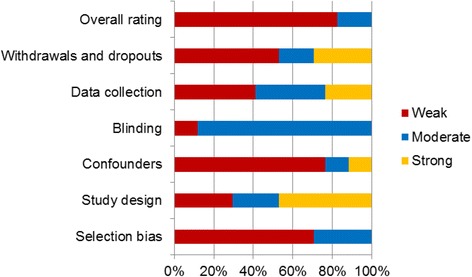
Results: Evidence from 40 articles (21 quantitative studies; 16 qualitative studies; 3 mixed methods studies) was included. Generally the quantitative research was poor. Evidence for changes in fruit and vegetable intake was limited and based on self-report. The qualitative research was better quality and ascribed a range of health and well-being impacts to school gardens, with some idealistic expectations for their impact in the long term. Groups of pupils who do not excel in classroom activities were thought to particularly benefit. Lack of funding and over reliance on volunteers were thought to threaten success, while involvement with local communities and integration of gardening activities into the school curriculum were thought to support success.
Conclusion: More robust quantitative research is needed to convincingly support the qualitative evidence suggesting wide ranging benefits from school gardens.
Keywords: Gardens; Health; Mixed methods; School; Systematic review; Well-being.
Figures

References
-
- RHS Campaign for School Gardening. [http://apps.rhs.org.uk/schoolgardening/default.aspa]
-
- Stephanie Alexander Kitchen Garden Program. [http://www.kitchengardenfoundation.org.au/] - PubMed
-
- Blair D. The child in the garden: An evaluative review of the benefits of school gardening. J Environ Educ. 2009;40(2):15–38. doi: 10.3200/JOEE.40.2.15-38. - DOI
Publication types
MeSH terms
LinkOut - more resources
Full Text Sources
Other Literature Sources
Medical
