Epileptogenesis in neurocutaneous disorders with focus in Sturge Weber syndrome
- PMID: 27019697
- PMCID: PMC4805158
- DOI: 10.12688/f1000research.7605.1
Epileptogenesis in neurocutaneous disorders with focus in Sturge Weber syndrome
Abstract
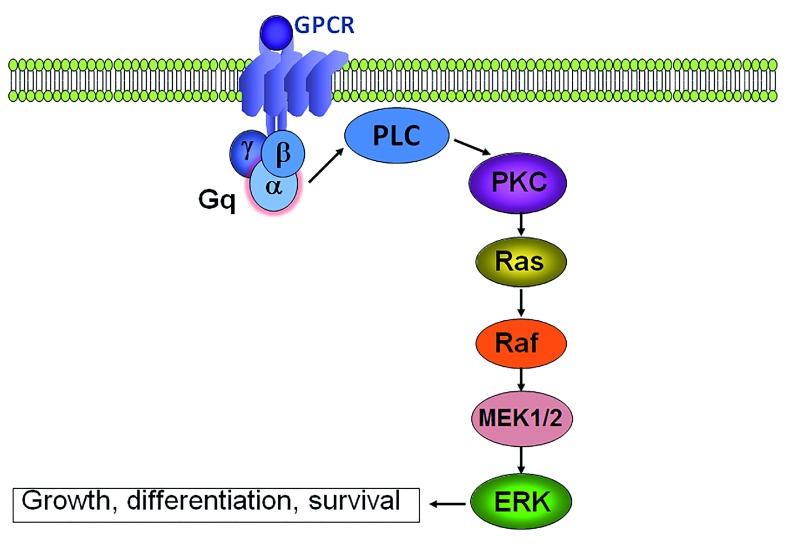
Epilepsy is a major morbidity in Sturge Weber syndrome, a segmental vascular neurocutaneous disorder classically associated with facial angiomas, glaucoma, and leptomeningeal capillary-venous type vascular malformations. The extent of the latter correlates with neurological outcome. Post-zygotic mosaicism for the activating mutation p.R183Q of the GNAQ gene has been identified as the major cause. GNAQ encodes for an alpha subunit of a heterotrimeric G protein critical to blood vessel development. The earlier the timing of the mutation in development, the more severe the involvement, e.g. from isolated port-wine stains to the full syndrome. The strongest predictors of adverse outcomes are MRI and the presence of angiomas involving any part of the forehead, delineated inferiorly from the outer canthus of the eye to the top of the ear, and including the upper eyelid. The neurological course may be progressive and the typical constellation of symptoms is focal onset seizures, hemiparesis, headache, stroke-like episodes, behavior problems, intellectual disability, and visual field deficits. Antiseizure medications are effective in about half of patients. The presence of localized seizures, focal neurological deficits, and drug resistant epilepsy indicate epilepsy surgical evaluation. Earlier seizure onset, i.e. before six months of age, is associated with a more severe course with significant residual deficits. Factors contributing to epileptogenesis include decreased brain tissue perfusion due to abnormal venous drainage, anoxic injury contributing to cerebral calcification, breakdown of the blood-brain barrier, and the presence of developmental cortical malformations. Pre-symptomatic prophylactic treatment may be a future option to modify the course of the disease including the associated epileptogenesis.
Keywords: Sturge Weber syndrome; epilepsy; epileptogenesis; neurocutaneous syndromes; seizures.
Conflict of interest statement
No competing interests were disclosed.
Figures
References
Publication types
Grants and funding
LinkOut - more resources
Full Text Sources
Other Literature Sources