Characterization of a Novel Murine Model to Study Zika Virus
- PMID: 27022155
- PMCID: PMC4889758
- DOI: 10.4269/ajtmh.16-0111
Characterization of a Novel Murine Model to Study Zika Virus
Abstract
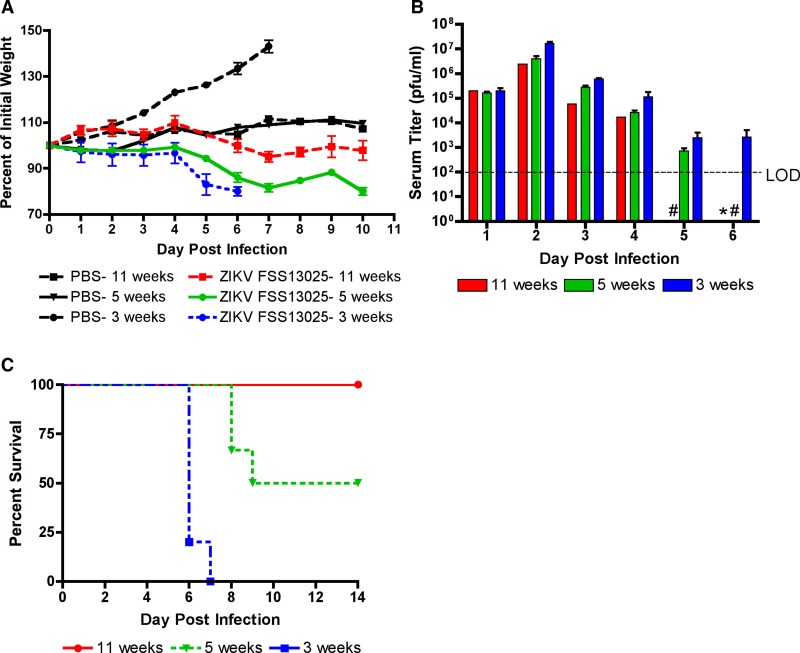
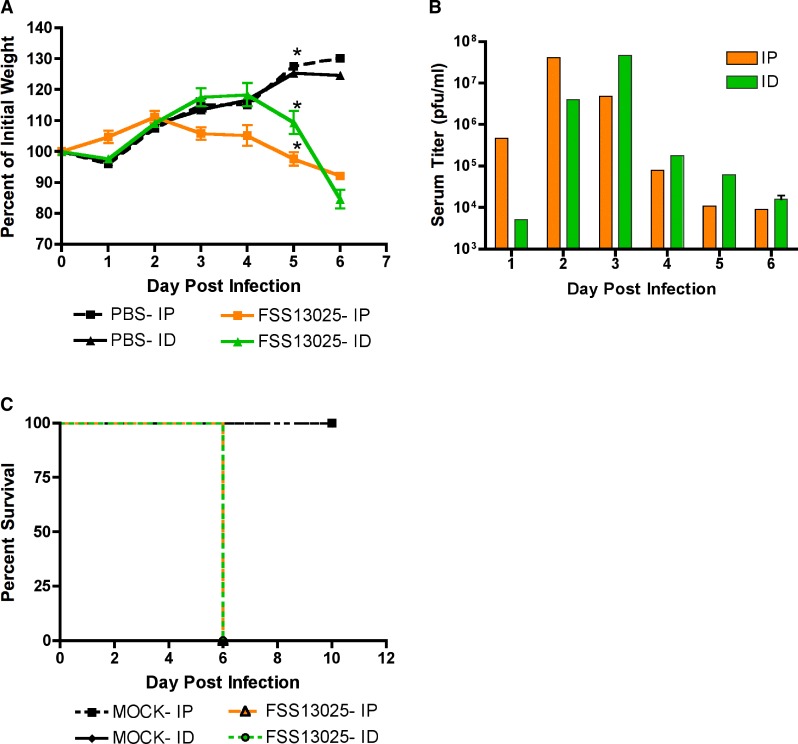
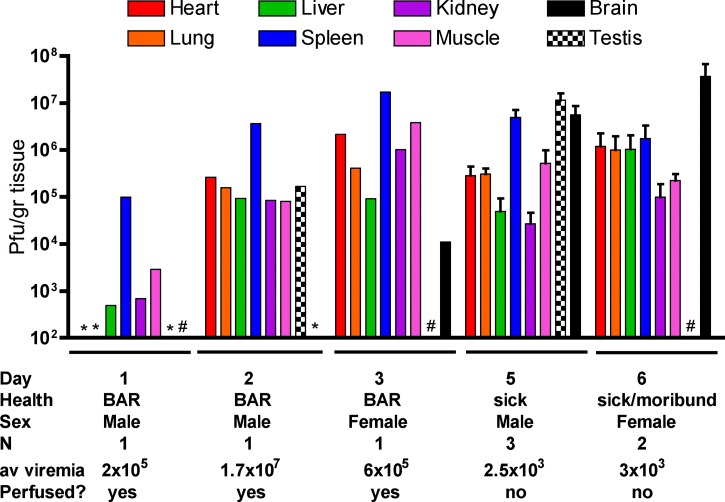
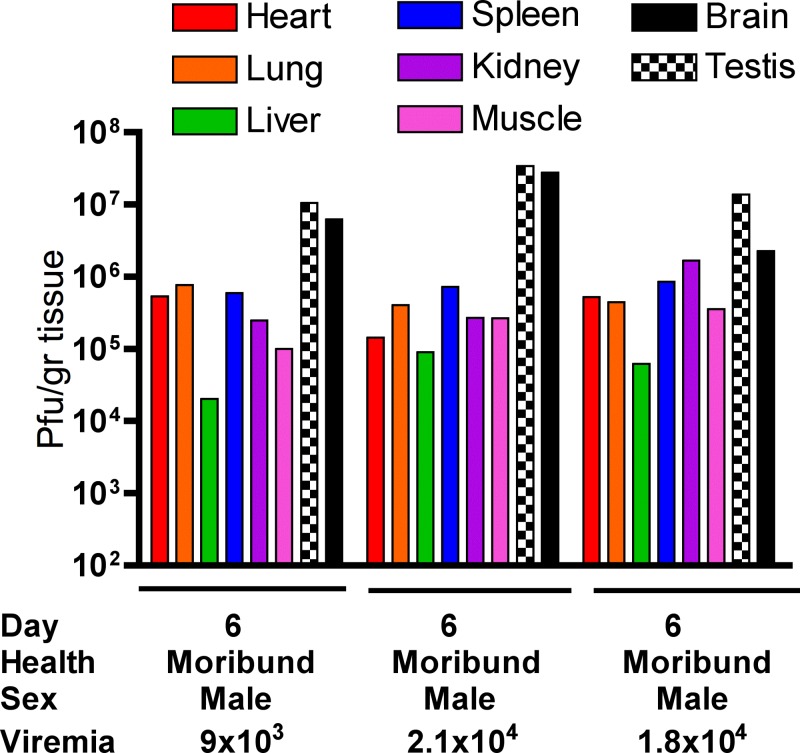
The mosquito-borne Zika virus (ZIKV) is responsible for an explosive ongoing outbreak of febrile illness across the Americas. ZIKV was previously thought to cause only a mild, flu-like illness, but during the current outbreak, an association with Guillain-Barré syndrome and microcephaly in neonates has been detected. A previous study showed that ZIKV requires murine adaptation to generate reproducible murine disease. In our study, a low-passage Cambodian isolate caused disease and mortality in mice lacking the interferon (IFN) alpha receptor (A129 mice) in an age-dependent manner, but not in similarly aged immunocompetent mice. In A129 mice, viremia peaked at ∼10(7) plaque-forming units/mL by day 2 postinfection (PI) and reached high titers in the spleen by day 1. ZIKV was detected in the brain on day 3 PI and caused signs of neurologic disease, including tremors, by day 6. Robust replication was also noted in the testis. In this model, all mice infected at the youngest age (3 weeks) succumbed to illness by day 7 PI. Older mice (11 weeks) showed signs of illness, viremia, and weight loss but recovered starting on day 8. In addition, AG129 mice, which lack both type I and II IFN responses, supported similar infection kinetics to A129 mice, but with exaggerated disease signs. This characterization of an Asian lineage ZIKV strain in a murine model, and one of the few studies reporting a model of Zika disease and demonstrating age-dependent morbidity and mortality, could provide a platform for testing the efficacy of antivirals and vaccines.
© The American Society of Tropical Medicine and Hygiene.
Figures
Comment in
-
The Development of Small Animal Models for Zika Virus Vaccine Efficacy Testing and Pathological Assessment.Am J Trop Med Hyg. 2016 Jun 1;94(6):1187-1188. doi: 10.4269/ajtmh.16-0277. Epub 2016 May 2. Am J Trop Med Hyg. 2016. PMID: 27139439 Free PMC article. No abstract available.
References
-
- Mackenzie JS, Gubler DJ, Petersen LR. Emerging flaviviruses: the spread and resurgence of Japanese encephalitis, West Nile and dengue viruses. Nat Med. 2004;10:S98–S109. - PubMed
-
- Dick GW, Kitchen SF, Haddow AJ. Zika virus. I. Isolations and serological specificity. Trans R Soc Trop Med Hyg. 1952;46:509–520. - PubMed
-
- Duffy MR, Chen TH, Hancock WT, Powers AM, Kool JL, Lanciotti RS, Pretrick M, Marfel M, Holzbauer S, Dubray C, Guillaumot L, Griggs A, Bel M, Lambert AJ, Laven J, Kosoy O, Panella A, Biggerstaff BJ, Fischer M, Hayes EB. Zika virus outbreak on Yap Island, Federated States of Micronesia. N Engl J Med. 2009;360:2536–2543. - PubMed
Publication types
MeSH terms
Grants and funding
LinkOut - more resources
Full Text Sources
Other Literature Sources
Medical
Molecular Biology Databases
Research Materials
Miscellaneous