


Current concepts related to hypertrophic scarring in burn injuries
- PMID: 27027596
- PMCID: PMC5802966
- DOI: 10.1111/wrr.12432
Current concepts related to hypertrophic scarring in burn injuries
Abstract
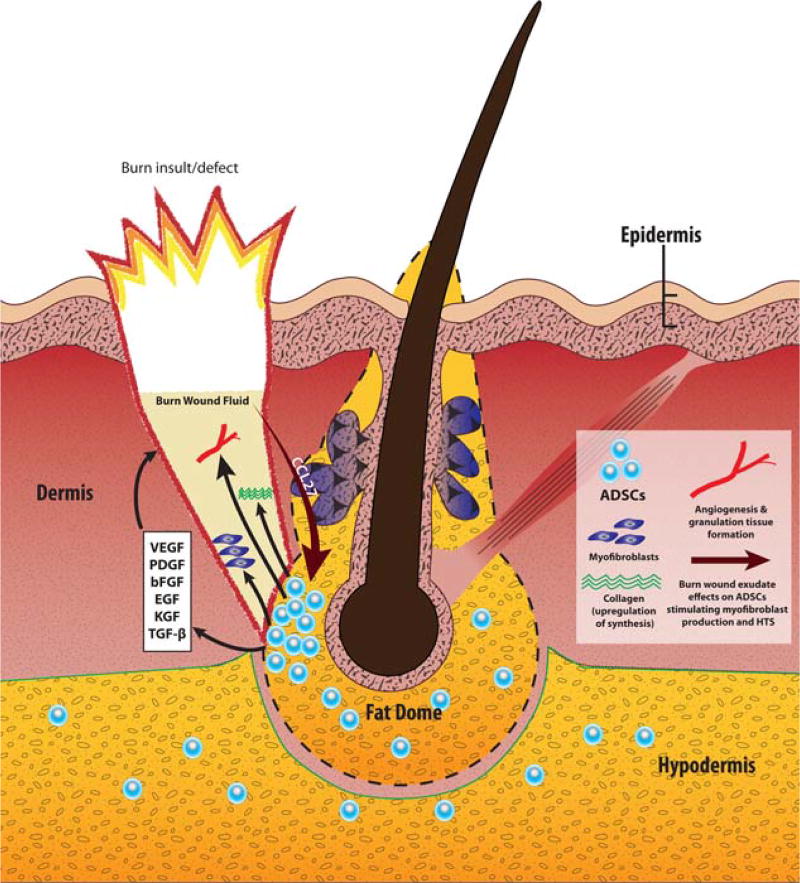
Scarring following burn injury and its accompanying aesthetic and functional sequelae still pose major challenges. Hypertrophic scarring (HTS) can greatly impact patients' quality of life related to appearance, pain, pruritus and even loss of function of the injured body region. The identification of molecular events occurring in the evolution of the burn scar has increased our knowledge; however, this information has not yet translated into effective treatment modalities. Although many of the pathophysiologic pathways that bring about exaggerated scarring have been identified, certain nuances in burn scar formation are starting to be recognized. These include the effects of neurogenic inflammation, mechanotransduction, and the unique interactions of burn wound fluid with fat tissue in the deeper dermal layers, all of which may influence scarring outcome. Tension on the healing scar, pruritus, and pain all induce signaling pathways that ultimately result in increased collagen formation and myofibroblast phenotypic changes. Exposure of the fat domes in the deep dermis is associated with increased HTS, possibly on the basis of altered interaction of adipose-derived stem cells and the deep burn exudate. These pathophysiologic patterns related to stem cell-cytokine interactions, mechanotransduction, and neurogenic inflammation can provide new avenues of exploration for possible therapeutic interventions.
© 2016 by the Wound Healing Society.
Conflict of interest statement
Figures
References
-
- Lawrence JW, Mason ST, Schomer K, Klein MB. Epidemiology and impact of scarring after burn injury: a systematic review of the literature. J Burn Care Res. 2012;33:136–46. - PubMed
-
- Wolfram DTA, Pulzl P, Piza-Katzer H. Hypertrophic scars and keloids - a review of their pathphysiology, risk factors, and therapeutic management. Dermatol Surg. 2009;35:171–81. - PubMed
-
- Evers LH, Bhavsar D, Mailander P. The biology of burn injury. Exp Dermatol. 2010;19:777–83. - PubMed
Publication types
MeSH terms
Grants and funding
LinkOut - more resources
Full Text Sources
Other Literature Sources
Medical
