Improved PCR-Based Detection of Soil Transmitted Helminth Infections Using a Next-Generation Sequencing Approach to Assay Design
- PMID: 27027771
- PMCID: PMC4814118
- DOI: 10.1371/journal.pntd.0004578
Improved PCR-Based Detection of Soil Transmitted Helminth Infections Using a Next-Generation Sequencing Approach to Assay Design
Abstract
Background: The soil transmitted helminths are a group of parasitic worms responsible for extensive morbidity in many of the world's most economically depressed locations. With growing emphasis on disease mapping and eradication, the availability of accurate and cost-effective diagnostic measures is of paramount importance to global control and elimination efforts. While real-time PCR-based molecular detection assays have shown great promise, to date, these assays have utilized sub-optimal targets. By performing next-generation sequencing-based repeat analyses, we have identified high copy-number, non-coding DNA sequences from a series of soil transmitted pathogens. We have used these repetitive DNA elements as targets in the development of novel, multi-parallel, PCR-based diagnostic assays.
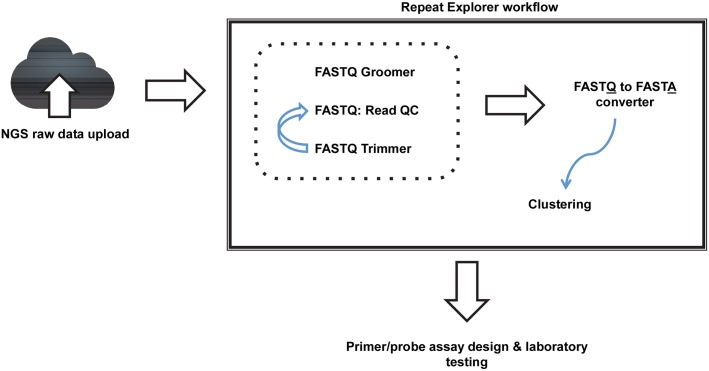
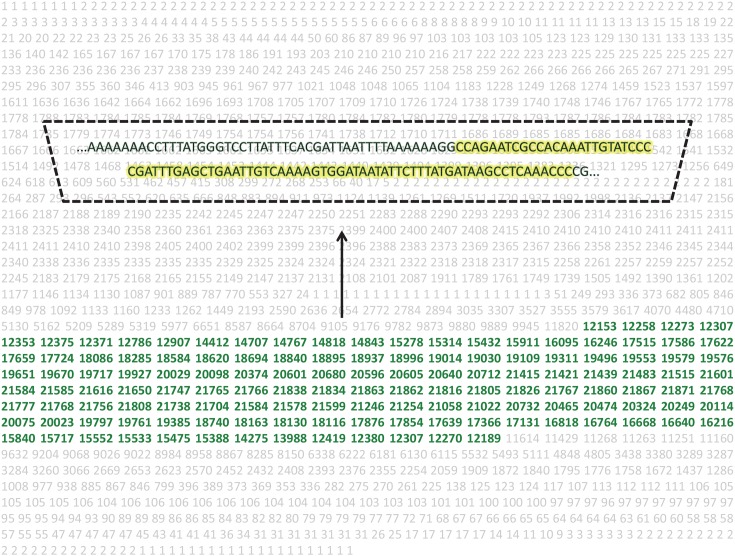
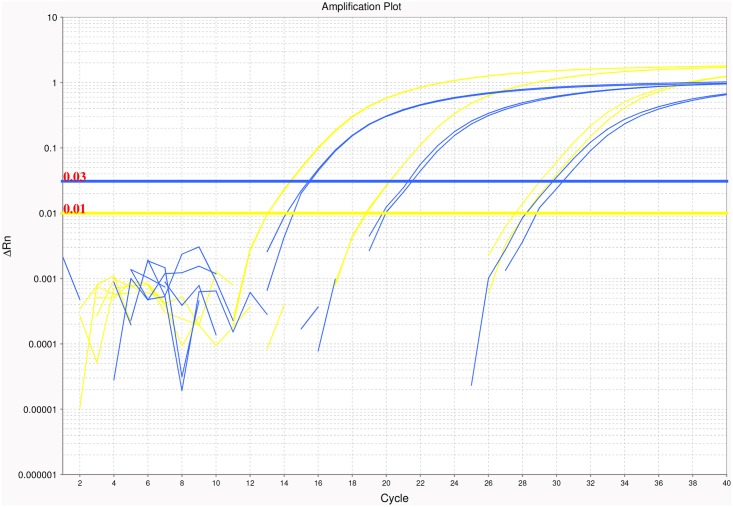
Methodology/principal findings: Utilizing next-generation sequencing and the Galaxy-based RepeatExplorer web server, we performed repeat DNA analysis on five species of soil transmitted helminths (Necator americanus, Ancylostoma duodenale, Trichuris trichiura, Ascaris lumbricoides, and Strongyloides stercoralis). Employing high copy-number, non-coding repeat DNA sequences as targets, novel real-time PCR assays were designed, and assays were tested against established molecular detection methods. Each assay provided consistent detection of genomic DNA at quantities of 2 fg or less, demonstrated species-specificity, and showed an improved limit of detection over the existing, proven PCR-based assay.
Conclusions/significance: The utilization of next-generation sequencing-based repeat DNA analysis methodologies for the identification of molecular diagnostic targets has the ability to improve assay species-specificity and limits of detection. By exploiting such high copy-number repeat sequences, the assays described here will facilitate soil transmitted helminth diagnostic efforts. We recommend similar analyses when designing PCR-based diagnostic tests for the detection of other eukaryotic pathogens.
Conflict of interest statement
The authors have declared that no competing interests exist.
Figures
References
-
- Hotez PJ, Bundy DAP, Beegle K, Brooker S, Drake L, de Silva N, et al. Helminth Infections: Soil-transmitted Helminth Infections and Schistosomiasis In: Disease Control Priorities in Developing Countries. Washington: World Bank; 2006. pp. 467–482.
-
- Mejia R, Vicuña Y, Broncano N, Sandoval C, Vaca M, Chico M, et al. A novel, multi-parallel, real-time polymerase chain reaction approach for eight gastrointestinal parasites provides improved diagnostic capabilities to resource-limited at-risk populations. Am J Trop Med Hyg. 2013; 88(6): 1041–1047. 10.4269/ajtmh.12-0726 - DOI - PMC - PubMed
Publication types
MeSH terms
Substances
Grants and funding
LinkOut - more resources
Full Text Sources
Other Literature Sources