


Histomorphological studies of broiler chicken fed diets supplemented with either raw or enzyme treated dandelion leaves and fenugreek seeds
- PMID: 27057110
- PMCID: PMC4823287
- DOI: 10.14202/vetworld.2016.269-275
Histomorphological studies of broiler chicken fed diets supplemented with either raw or enzyme treated dandelion leaves and fenugreek seeds
Abstract
Aim: Herbal plants and their derived products are extensively used particularly in many Asian, African, and other countries of the world as they are considered as ideal feed additives because of their non-residual effect and ability to influence the ecosystem of gastrointestinal microbiota in a positive way. Further, the enzymatic treatment of these herbs helps in their efficient utilization by the host. Dandelion leaves and fenugreek seeds have been reported to have positive effect in terms of improving the performance of broiler chicken, but not much literature is available regarding their effect on gut histomorphology; therefore, the present study was conducted to explore the effect of these herbs either alone or in combination with or without enzyme treatment on histomorphology of liver and small intestine of broiler chicken.
Materials and methods: To achieve the envisaged objective, 273-day-old commercial broiler chicks were procured from a reputed source and reared together until 7 days of age. On the 7(th) day, the chicks were individually weighed, distributed randomly into 7 groups of 3 replicates with 13 chicks each. Birds in the control group were fed diets without additives (T1). The other six treatment groups were fed the basal diet supplemented with 0.5% dandelion leaves (T2), 1% fenugreek seeds (T3), combination of 0.5% dandelion leaves and 1% fenugreek seeds (T4), enzyme treated dandelion leaves 0.5% (T5), enzyme treated fenugreek seeds 1% (T6), and combination of enzyme treated dandelion leaves (0.5%) and (1%) fenugreek seeds (T7). The histomorphological study of liver and small intestines was conducted among different treatment groups.
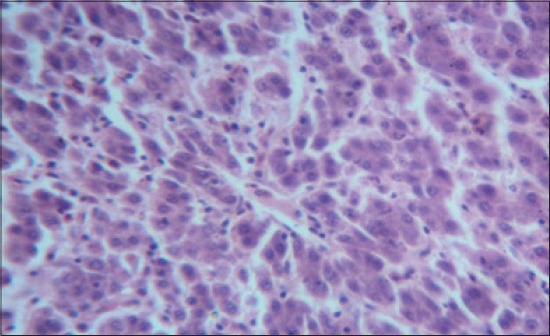
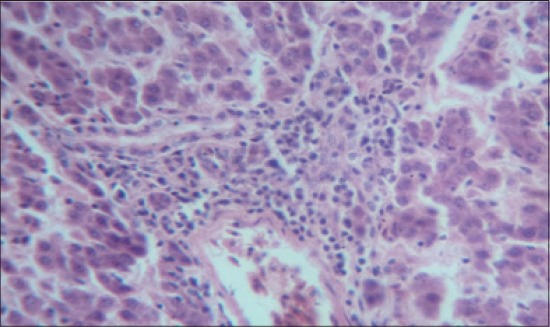
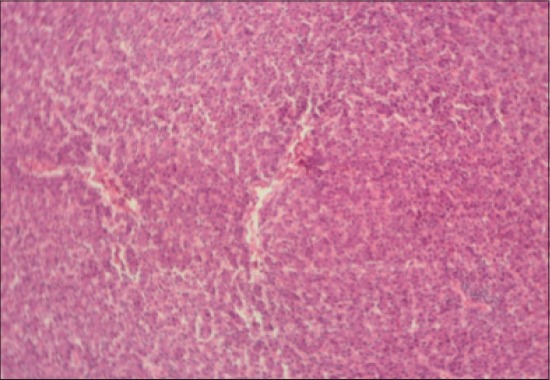
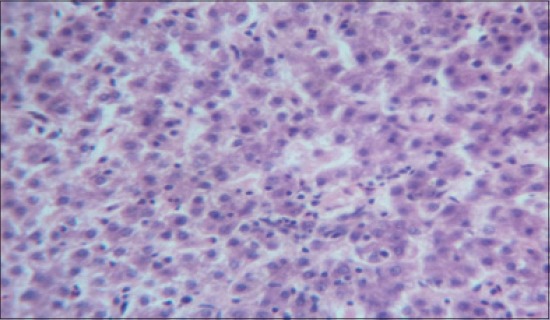
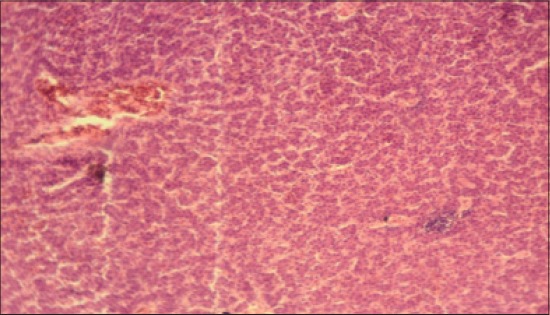
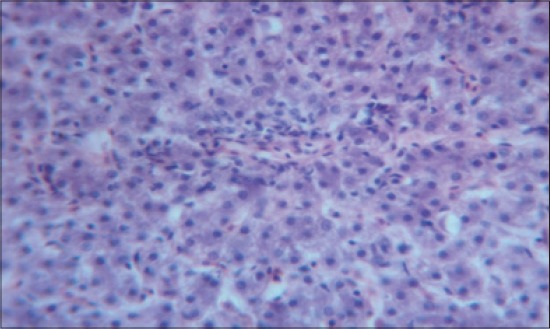
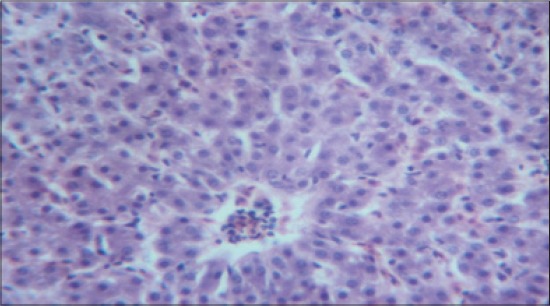
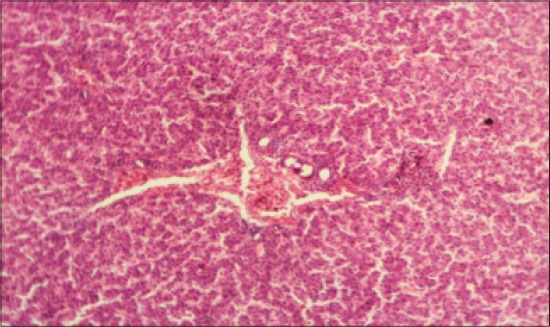
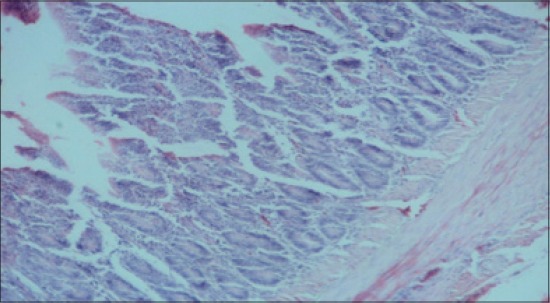
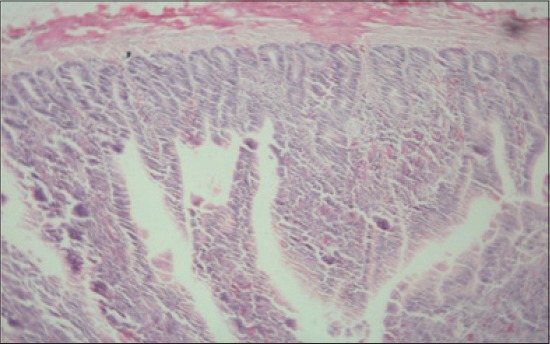
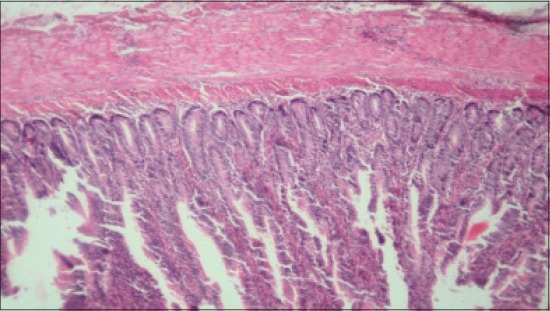
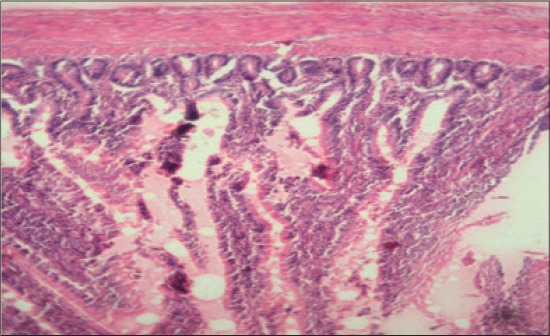
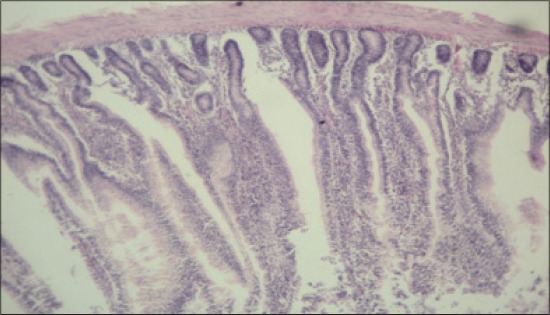
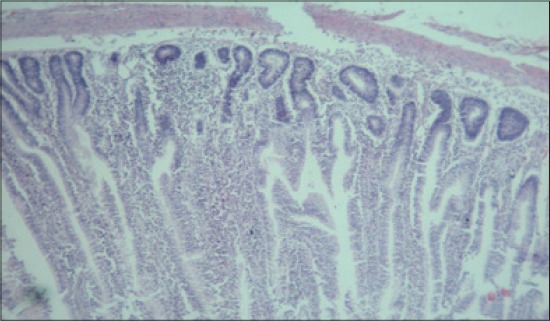
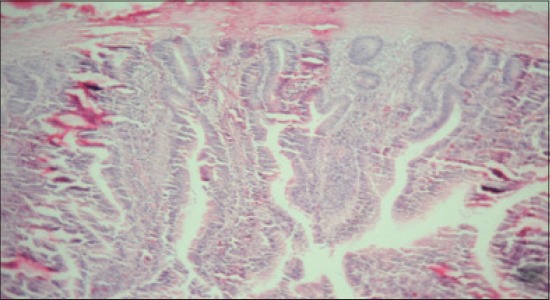
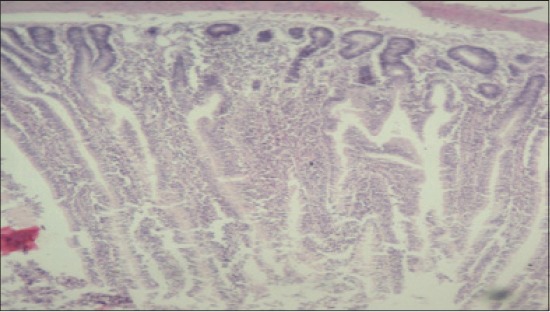
Results: The results revealed the hepato-protective nature of both dandelion leaves and fenugreek seeds either alone or in combination with or without enzyme treatment when compared with the control group. Moreover, the histomorphological findings of jejunum revealed the beneficial effect of dandelion leaves, fenugreek seeds and enzymes on the intestinal mucosa in terms of cellular infiltration, architecture of villi, villus height/crypt depth ratio, thereby improving the intestinal health.
Conclusion: The dandelion leaves and fenugreek seeds have hepato-protective nature and beneficial effect on the intestinal morphology particularly when included along with enzymes in the diet of broiler chicken.
Keywords: broiler chicken; dandelion; fenugreek; histomorphology.
Figures
References
-
- Windisch W, Schedle K, Plitzner C, Kroismayr A. Use of phytogenic products as feed additives for swine and poultry. J. Anim. Sci. 2008;86:140–148. - PubMed
-
- Hashemi S.R, Davoodi H. Phytogenics as new class of feed additive in poultry industry. J. Anim. Vet. Adv. 2010;9(17):2295–2304.
-
- Brugalli I. Alternative power: The use of herbal and nutraceutical as modulators of immunity and animal performance. Symposium on Management and Nutrition Poultry and Pigs, Campinas. Proceedings: Brazilian Animal Nutrition College. 2003:167–182.
-
- Husain M. Geography of Jammu and Kashmir. New Delhi, India: Rajesh Publication; 2001. p. 28.
-
- Malik H.A, Khuroo A.A, Dar G.H. Ethnomedicinal uses of some plants in the Kashmir Himalayas. Indian J. Tradit. Knowl. 2011;10(2):362–366.
LinkOut - more resources
Full Text Sources
Other Literature Sources