


Comparative genetic characterization of Enteroaggregative Escherichia coli strains recovered from clinical and non-clinical settings
- PMID: 27062991
- PMCID: PMC4827025
- DOI: 10.1038/srep24321
Comparative genetic characterization of Enteroaggregative Escherichia coli strains recovered from clinical and non-clinical settings
Abstract
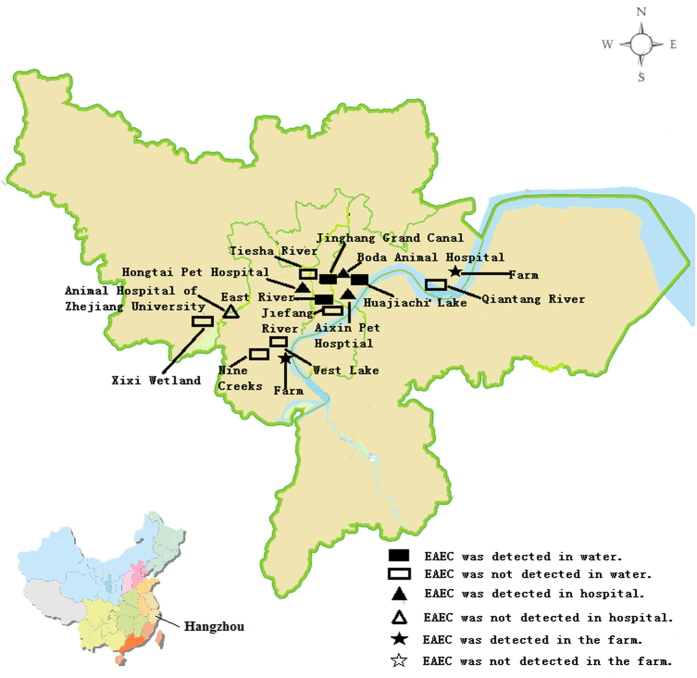
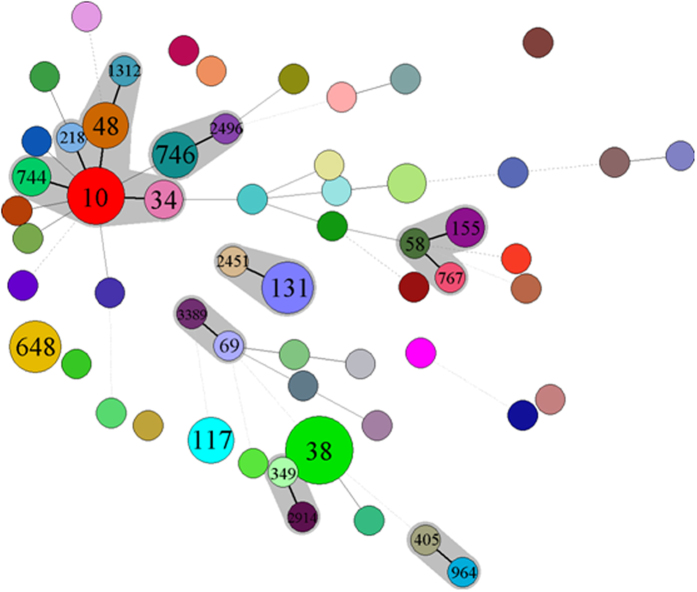
The origin of pathogenic Enteroaggregative Escherichia coli (EAEC), a major causative agent of childhood diarrhea worldwide, remains ill-defined. The objective of this study was to determine the relative prevalence of EAEC in clinical and non-clinical sources and compare their genetic characteristics in order to identify strains that rarely and commonly cause human diarrhea. The virulence gene astA was commonly detectable in both clinical and non-clinical EAEC, while clinical isolates, but not the non-clinical strains, were consistently found to harbor other virulence factors such as aap (32%), aatA (18%) and aggR (11%). MLST analysis revealed the extremely high diversity of EAEC ST types, which can be grouped into three categories including: (i) non-clinical EAEC that rarely cause human infections; (ii) virulent strains recoverable in diarrhea patients that are also commonly found in the non-clinical sources; (iii) organisms causing human infections but rarely recoverable in the non-clinical setting. In addition, the high resistance in these EAEC isolates in particular resistance to fluoroquinolones and cephalosporins raised a huge concern for clinical EAEC infection control. The data from this study suggests that EAEC strains were diversely distributed in non-clinical and clinical setting and some of the clinical isolates may originate from the non-clinical setting.
Figures
References
-
- Harada T. et al. A food poisoning diarrhea outbreak caused by enteroaggregative Escherichia coli serogroup O126:H27 in Shizuoka, Japan. Japanese journal of infectious diseases 60, 154–155 (2007). - PubMed
Publication types
MeSH terms
Substances
LinkOut - more resources
Full Text Sources
Other Literature Sources
Miscellaneous
