Review
. 2016 May;20(2):245-62.
doi: 10.1016/j.cld.2015.10.007. Epub 2016 Feb 18.

Nonalcoholic Fatty Liver Disease: Lipids and Insulin Resistance

Affiliations
Review

Nonalcoholic Fatty Liver Disease: Lipids and Insulin Resistance

Paul D Berk et al. Clin Liver Dis. 2016 May.

Abstract

Obesity and its major comorbidities, including type 2 diabetes mellitus, nonalcoholic fatty liver disease (NAFLD), obesity cardiomyopathy, and certain cancers, have caused life expectancy in the United States to decline in recent years. Obesity is the increased accumulation of triglycerides (TG), which are synthesized from glycerol and long-chain fatty acids (LCFA) throughout the body. LCFA enter adipocytes, hepatocytes, and cardiomyocytes via specific, facilitated transport processes. Metabolism of increased cellular TG content in obesity may lead to comorbidities such as NAFLD and cardiomyopathy. Better understanding of LCFA transport processes may lead to successful treatment of obesity and NAFLD.

Keywords: Facilitated transport; Leptin; Lipotoxicity; Spexin; Weight regain.


Figures

Figure 1
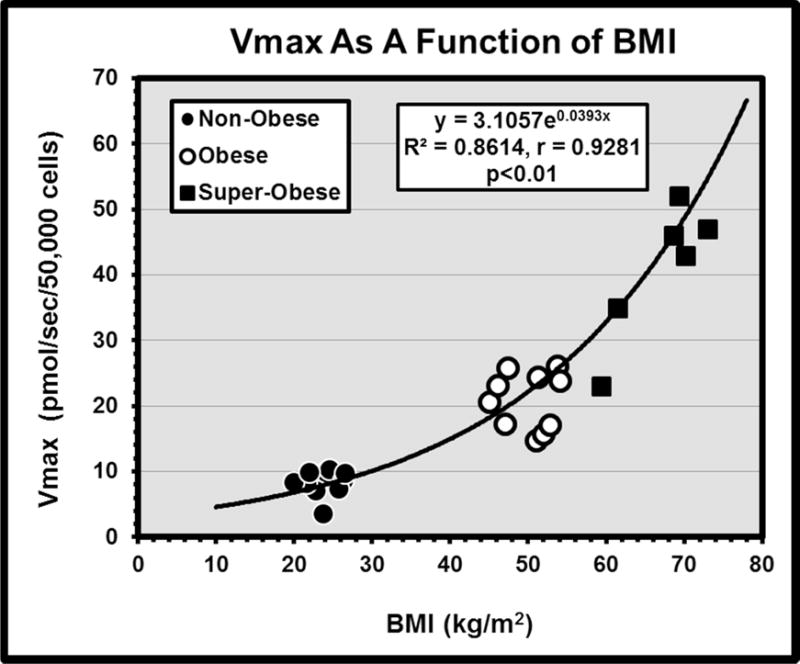
Figure 1. Relationship of Vmax for LCFA uptake by isolated human omental adipocytes to patient BMI
Cells were isolated from intra-operative fat biopsies obtained during clinically indicated abdominal surgical procedures in 10 non-obese patients, and during bariatric surgeries in 10 obese and 7 super-obese patients who were participants in a 2-stage bariatric surgical protocol (77). Vmax increases as an exponential function of BMI.
Figure 2
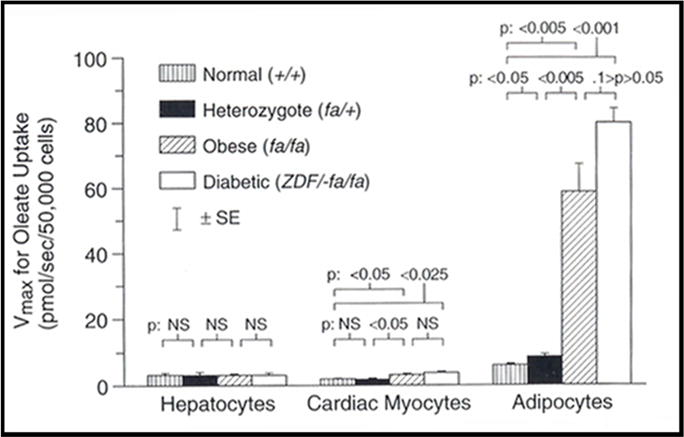
Figure 2. Computed values of the Vmax for saturable [3H]-oleate uptake by isolated hepatocytes, cardiac myocytes, and adipocytes from four groups of adult male Zucker rats: +/+, fa/+, fa/fa, and ZDF
Saturable adipocyte LCFA uptake is appreciably increased compared to normal controls in the obese fa/fa and ZDF animals, despite their defective leptin signaling. There is little change in hepatocyte LCFA uptake in the different groups. Very similar findings have been reported in hepatocytes from obese, leptin signaling-deficient ob/ob & db/db mice, compared to C57BL6J control mice rendered obese by high fat diets. (From Berk PD, Zhou SL, Bradbury M, Stump D, Kiang CL, Isola LM. Regulated membrane transport of free fatty acids in adipocytes: role in obesity and non-insulin dependent diabetes mellitus. Trans Am Clin Climatol Assoc 1997; 108:26–40, with permission.)
Figure 3
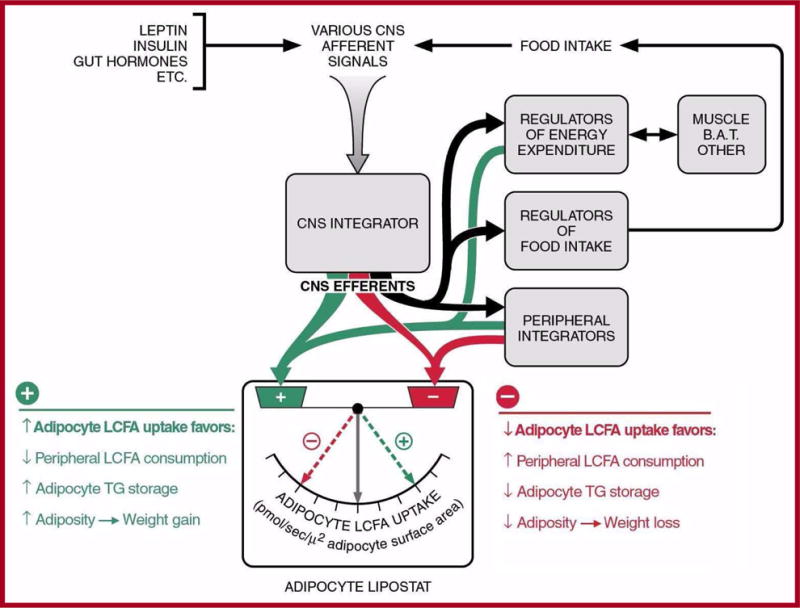
Figure 3. Regulation of adipocyte LCFA uptake appears to regulate body adiposity
All well-studied genetic and dietary animal models of obesity, as well as obese human subjects, exhibit selective up-regulation of facilitated LCFA by adipocytes. This suggests that regulation of adipocyte LCFA uptake represents a final, common pathway for control of body adiposity resulting from a diversity of primary causes. From Bradbury MW, Berk PD. Lipid metabolism in hepatic steatosis. Clin Liver Dis 2004; 8: 639–671, with permission.
Figure 4
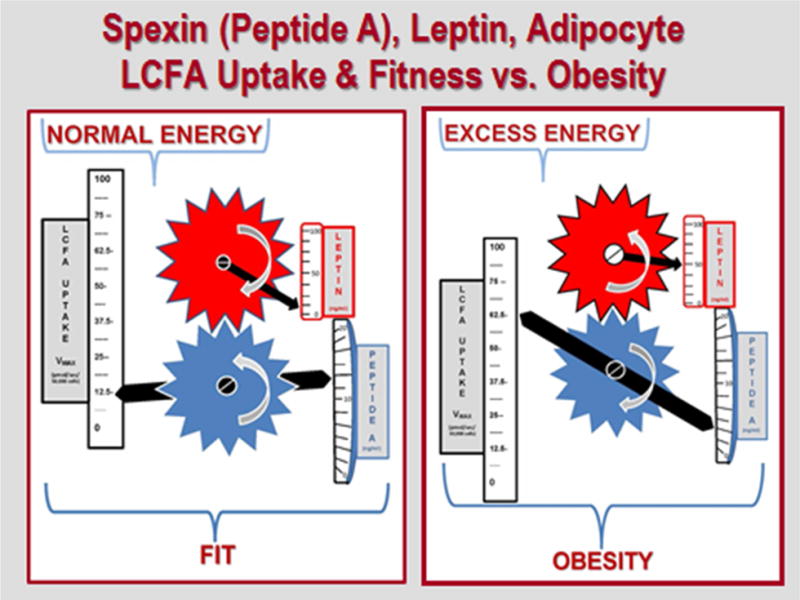
Figure 4. Relationships between plasma levels of Spexin (Peptide A) and leptin and adipocyte LCFA uptake
Left-hand panel illustrates these relationships in the presence of normal energy balance and physical fitness: low levels of leptin and LCFA uptake Vmax, high evels of Spexin. Right hand panel reflects the situation in the presence of excessive energy, leading to obesity: higher levels of leptin and increased LCFA uptake Vmax, low levels of spexin. The interlocking gears illustrate the strong, negative correlation between plasma Spexin and leptin concentrations, and their respective relationship to the Vmax for adipocyte LCFA uptake.
Figure 5
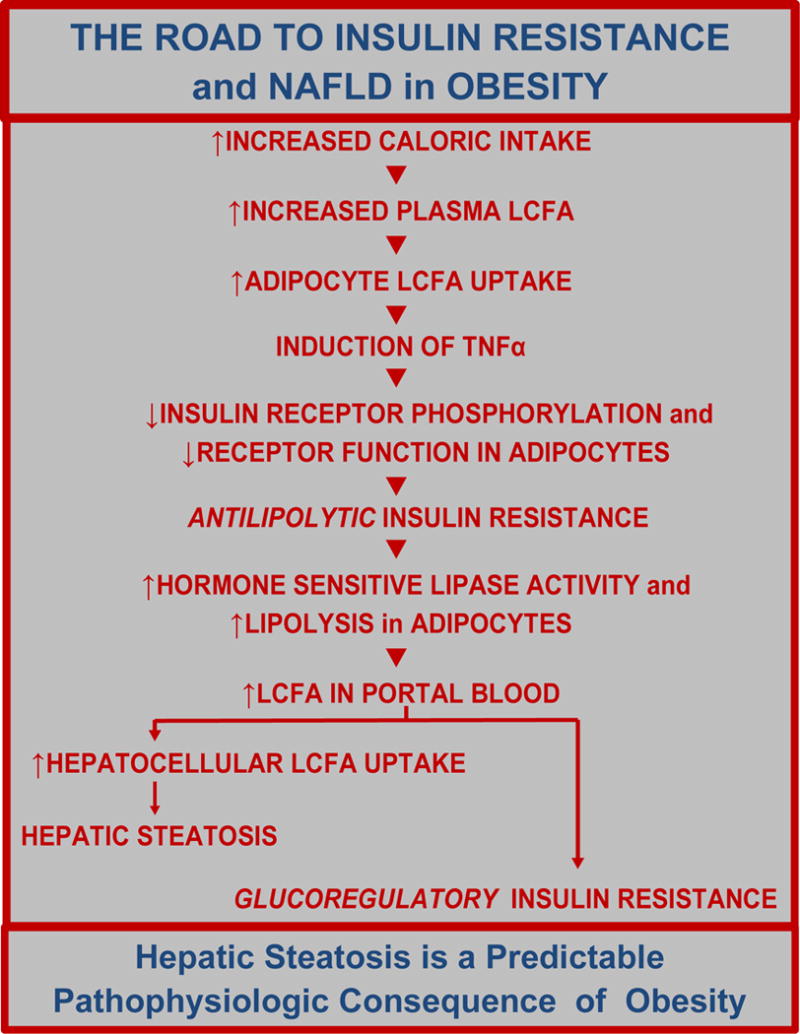
Figure 5. The road to insulin resistance and hepatic steatosis in obesity
Ten discrete and identifible steps leading to insulin resistance and hepatic steatosis are initiated by an increase in caloric intake and consequent increase in the plasma concentration of LCFA. Adapted from Bradbury MW, Berk PD. Lipid metabolism in hepatic steatosis. Clin Liver Dis 2004; 8: 639-671, with permission.
Figure 6
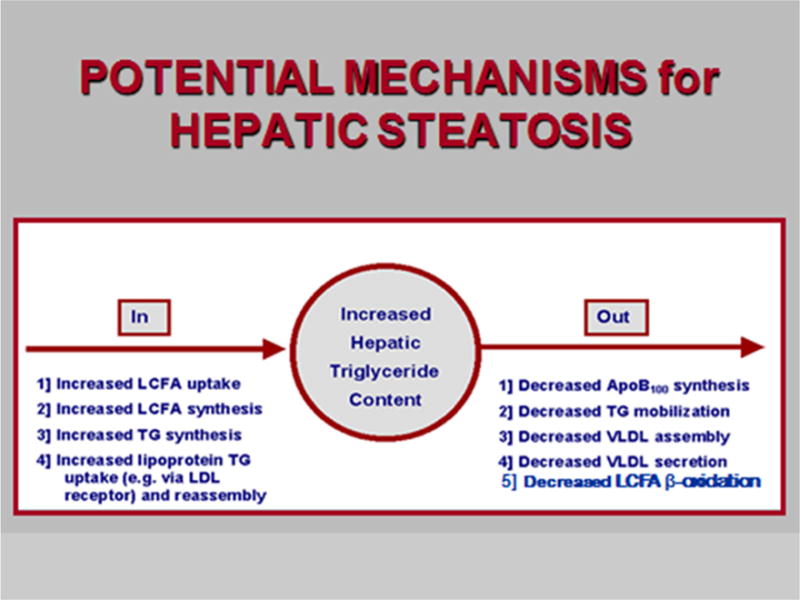
Figure 6. Processes that could contribute to the increased hepatic triglyceride content that characterizes hepatic steatosis and NASH
Those on the left potentially contribute to an increased input to the hepatocellular pool of triglycerides. Those on the right increase hepatic trigyceride content by decreasing normal levels of triglyceride output, principally in VLDL. From Bradbury MW, Berk PD. Lipid metabolism in hepatic steatosis. Clin Liver Dis 2004; 8: 639-671 with permission.
Figure 7
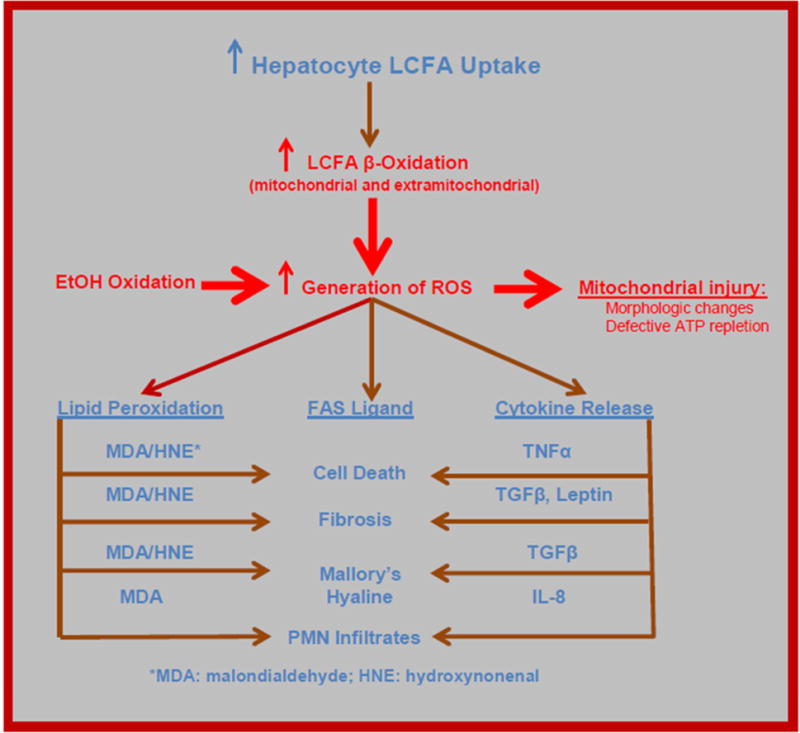
Figure 7. Consequences of increased hepatocellular uptake and oxidation of LCFA in obesity
Many of the features of NASH follow logically from the increase in hepatocellular LCFA uptake and subsequent increase in the generation of reactive oxygen species (ROS) by mitochondrial and extra-mitochondrial LCFA oxidation. These, in turn, lead to generation of intracellular mediators such as MDA, HNE, TNFα, TGFβ, leptin, and IL8, which – in turn – cause several of the characteristic histologic features of NASH. ROS resulting from EtOH oxidation lead to generation of some of the same mediators, potentially explaining the histologic similarity between NASH and alcoholic hepatitis. Adapted from Bradbury MW, Berk PD. Lipid metabolism in hepatic steatosis. Clin Liver Dis 2004; 8:639-671, with permission.

References

    1. Ludwig J, Viggiano TR, McGill DB, Oh BJ. Nonalcoholic steatohepatitis: Mayo clinic experiences with a hitherto unnamed disease. Mayo Clin Proc. 1980;55:434–438. - PubMed
    1. Diehl AM, Goodman Z, Ishak KG. Alcohol-like liver disease in non-alcoholics. Gastroenterol. 1988;95:1056–1062. - PubMed
    1. Clain DJ, Lefkowitch JH. Fatty liver disease in morbid obesity. Gastroenterol Clin N Amer. 1987;16:239–252. - PubMed
    1. Chalasani N, Younossi Z, Lavine JE, Diehl AM, Brunt EM, Cusi K, Charlton M, Sanyal AJ, American Gastroenterological Association; American Association for the Study of Liver Diseases; American College of Gastroenterology The diagnosis and management of nonalcoholic fatty liver disease: practice guideline by the American Gastroenterological Association, American Association for the Study of Liver Diseases, and American College of Gastroenterology. Gastroentl. 2012 Jun;142(7):1592–1609. doi: 10.1053/j.gastro.2012.04.001. - DOI - PubMed
    1. Burt AD, Lackner C, Tiniakos DG. Diagnosis and assessment of NAFLD: definitions and histopathological classification. Semin Liv Dis. 2015 Aug;35(3):207–220. - PubMed

Publication types