. 2016 May;22(5):524-30.
doi: 10.1038/nm.4075. Epub 2016 Apr 11.

Nod2-mediated recognition of the microbiota is critical for mucosal adjuvant activity of cholera toxin

Affiliations

Nod2-mediated recognition of the microbiota is critical for mucosal adjuvant activity of cholera toxin

Donghyun Kim et al. Nat Med. 2016 May.

Erratum in

Abstract

Cholera toxin (CT) is a potent adjuvant for inducing mucosal immune responses. However, the mechanism by which CT induces adjuvant activity remains unclear. Here we show that the microbiota is critical for inducing antigen-specific IgG production after intranasal immunization. After mucosal vaccination with CT, both antibiotic-treated and germ-free (GF) mice had reduced amounts of antigen-specific IgG, smaller recall-stimulated cytokine responses, impaired follicular helper T (TFH) cell responses and reduced numbers of plasma cells. Recognition of symbiotic bacteria via the nucleotide-binding oligomerization domain containing 2 (Nod2) sensor in cells that express the integrin CD11c (encoded by Itgax) was required for the adjuvanticity of CT. Reconstitution of GF mice with a Nod2 agonist or monocolonization with Staphylococcus sciuri, which has high Nod2-stimulatory activity, was sufficient to promote robust CT adjuvant activity, whereas bacteria with low Nod2-stimulatory activity did not. Mechanistically, CT enhanced Nod2-mediated cytokine production in dendritic cells via intracellular cyclic AMP. These results show a role for the microbiota and the intracellular receptor Nod2 in promoting the mucosal adjuvant activity of CT.


Figures
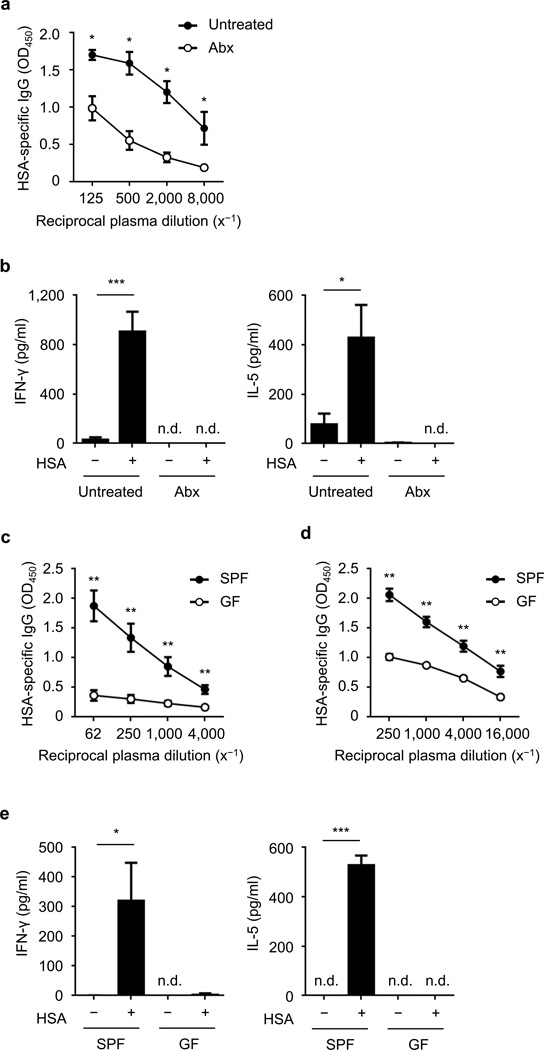
Figure 1
Figure 1. Symbiotic bacteria promote the adjuvant activity of cholera toxin after nasal immunization
(a) Relative amount of HSA-specific IgG (OD450) in serially diluted plasma from antibiotic (Abx)-treated mice and untreated group (each group n = 4) on day 14 after intranasal immunization with HSA and CT. (b) Concentration of IFN-γ and IL-5 in the supernatant of splenocytes (measured in triplicate) from antibiotic-treated mice and untreated group on day 14 post-immunization, after restimulation with or without HSA for 4 d. (c, d) HSA-specific IgG in the plasma of GF and SPF mice (each group n = 5) on day 14 after primary and secondary immunization. (e) Concentration of IFN-γ and IL-5 (measured in triplicate) in the supernatant of splenocytes isolated from immunized GF and SPF mice on day 14 post-primary immunization, after restimulation with and without antigen for 4 d. The results are representative of at least two independent experiments. Values represent mean ± s.e.m. (a, c, d) or ± s.d. (b, e). *P < 0.05, **P < 0.01, and ***P < 0.001 by Mann-Whitney test (a, c, d) and by Student’s t-test (b, e). n.d., not detected.
Figure 2
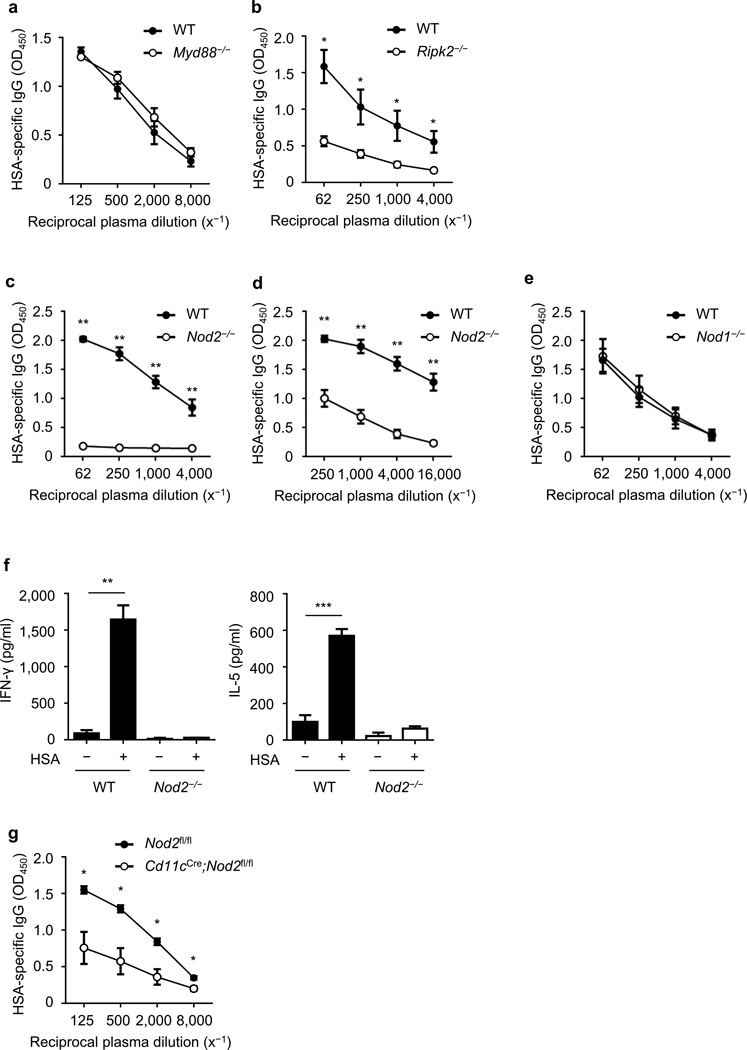
Figure 2. The adjuvant activity of cholera toxin is mediated by CD11c+ cells via Nod2
(a–c) Relative amounts of HSA-specific IgG (OD450) in serially diluted plasma from Myd88−/− (n = 5) (a), Ripk2−/− (n = 4) (b), Nod2−/− (n = 5) (c–d), Nod1−/− (n = 5) (e) and Cd11cCre;Nod2fl/fl mice (n = 4) (g), and WT (n = 4 or 5) or Nod2fl/fl littermates (n = 4) on day 14 after intranasal immunization with HSA and CT (a–c, e, g) or after secondary challenge with HSA and CT (d). (f) Concentration of IFN-γ and IL-5 in the supernatants of splenocytes (measured in triplicate) from Nod2−/− mice and WT animals on day 14 post-primary immunization, after restimulation with and without antigen for 4 d. The results are representative of at least two independent experiments. Data are shown as means ± s.e.m. (a–e, g) or ± s.d. (f). *P < 0.05, **P < 0.01, and ***P < 0.001 by Mann-Whitney test (a–e, g) and by Student’s t-test (f).
Figure 3
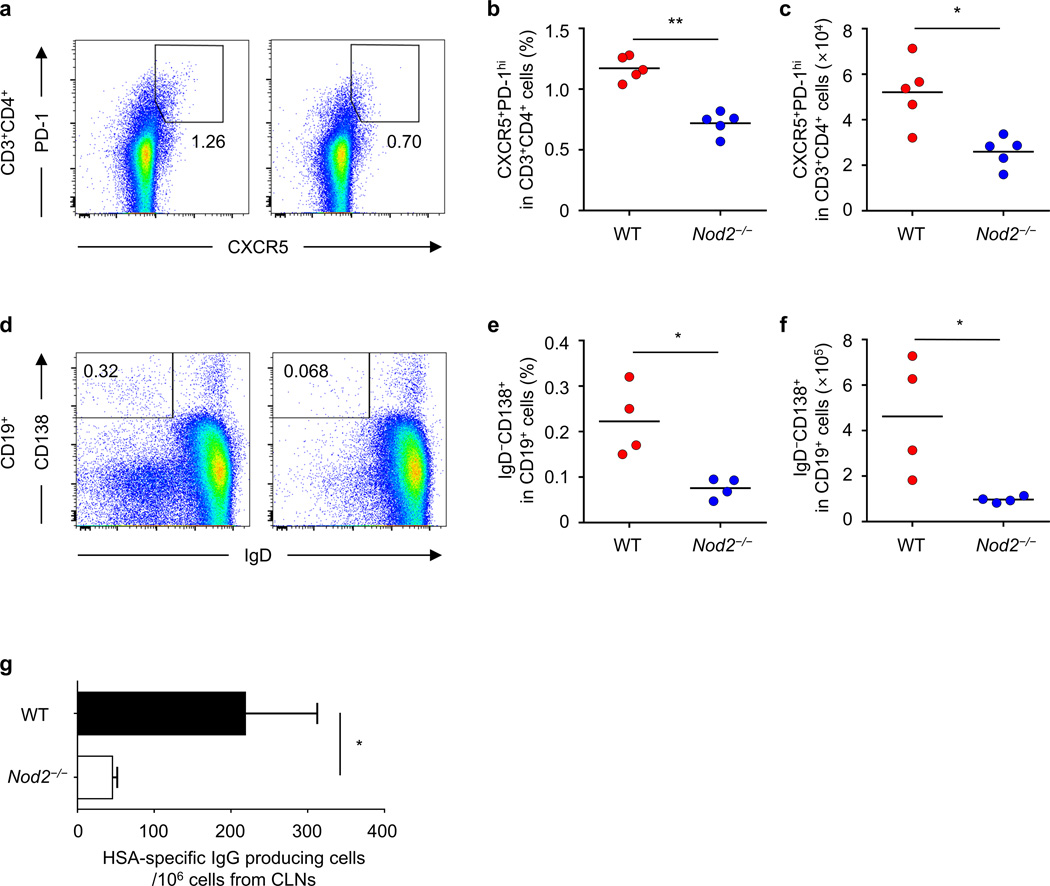
Figure 3. Nod2 is required for the generation of TFH and plasma cells after nasal immunization with antigen and cholera toxin
The percentage and total number of TFH cells (CXCR5+PD-1hi) (a–c) and plasma cells (CD138+IgD) (d–f) from the cervical lymph nodes (CLNs) on day 14 post-immunization. (a, d) The plots shown for TFH cells were gated on CD3+CD4+ T cells and the plots for plasma cells were gated on CD19+ cells (left panels, WT and right panels, Nod2−/−). (b, c, e, f) Each dot represents an individual mouse and the means are displayed by a line. (g) Number of cells producing HSA-specific IgG among total cells obtained from CLNs of WT or Nod2−/− mice on day 14 post-immunization. Results are representative of at least two independent experiments. *P < 0.05 and **P < 0.01 by Mann-Whitney test (b, c, e, f) and by Student’s t-test (g).
Figure 4
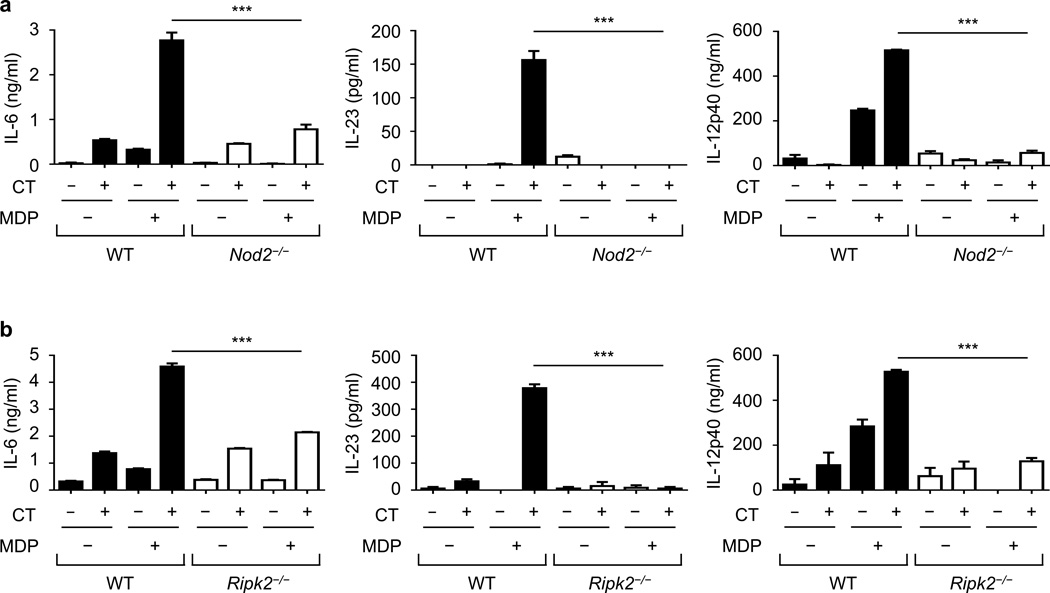
Figure 4. Cholera toxin enhances MDP-induced cytokine production in DCs
Concentration of cytokines in the supernatant of bone-marrow-derived dendritic cells (BMDCs) (measured in triplicate) from WT and Nod2−/− (a) or Ripk2−/− (b) mice, after treatment with indicated stimuli for 24 h. Results are representative of at least three independent experiments. Data are expressed as the mean ± s.d. ***P < 0.001 by Student’s t-test.
Figure 5
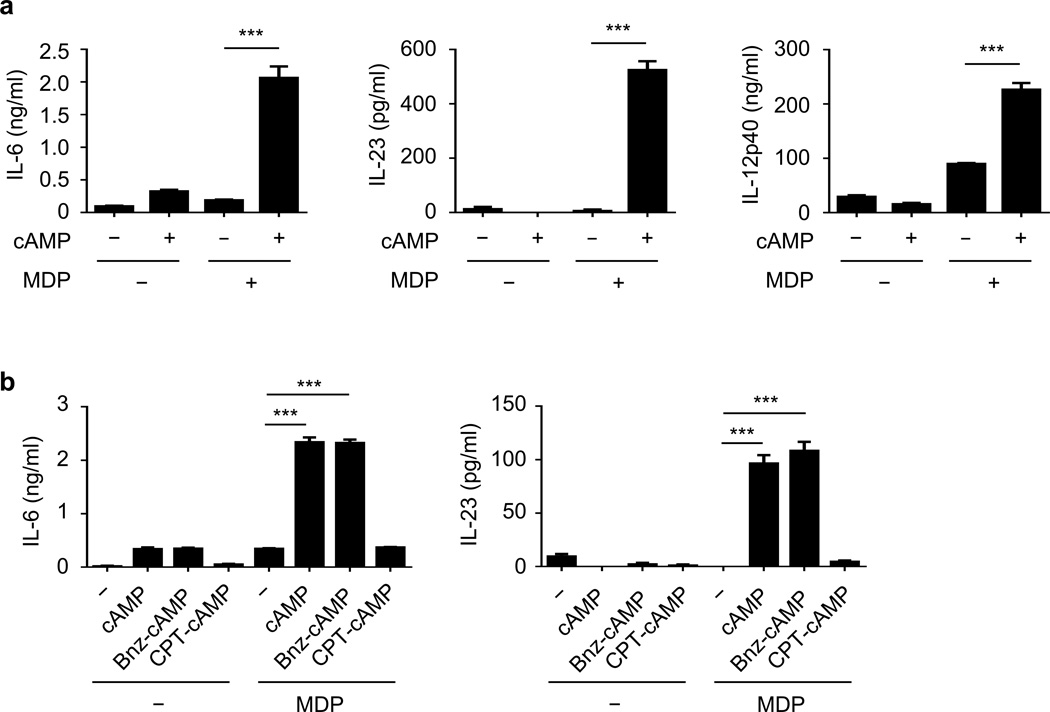
Figure 5. Cholera toxin promotes Nod2 activation via cAMP/PKA signaling
(a) Concentration of cytokines in the supernatant of BMDC (measured in triplicate) treated with the indicated stimuli for 24 h. (b) Concentration of cytokines in the supernatant of BMDM (measured in triplicate) treated with 8-Br-cAMP (cAMP), N6-benzoyl-cAMP (Bnz-cAMP), or 8-CPT-2'-O-Me-cAMP (CPT-cAMP) in the presence or absence of MDP for 24 h. The results are representative of at least three independent sets of experiments. Data are expressed as the mean ± s.d. ***P < 0.001 by Student’s t-test.
Figure 6
Figure 6. Nod2-stimulatory bacteria promote the adjuvant activity of cholera toxin
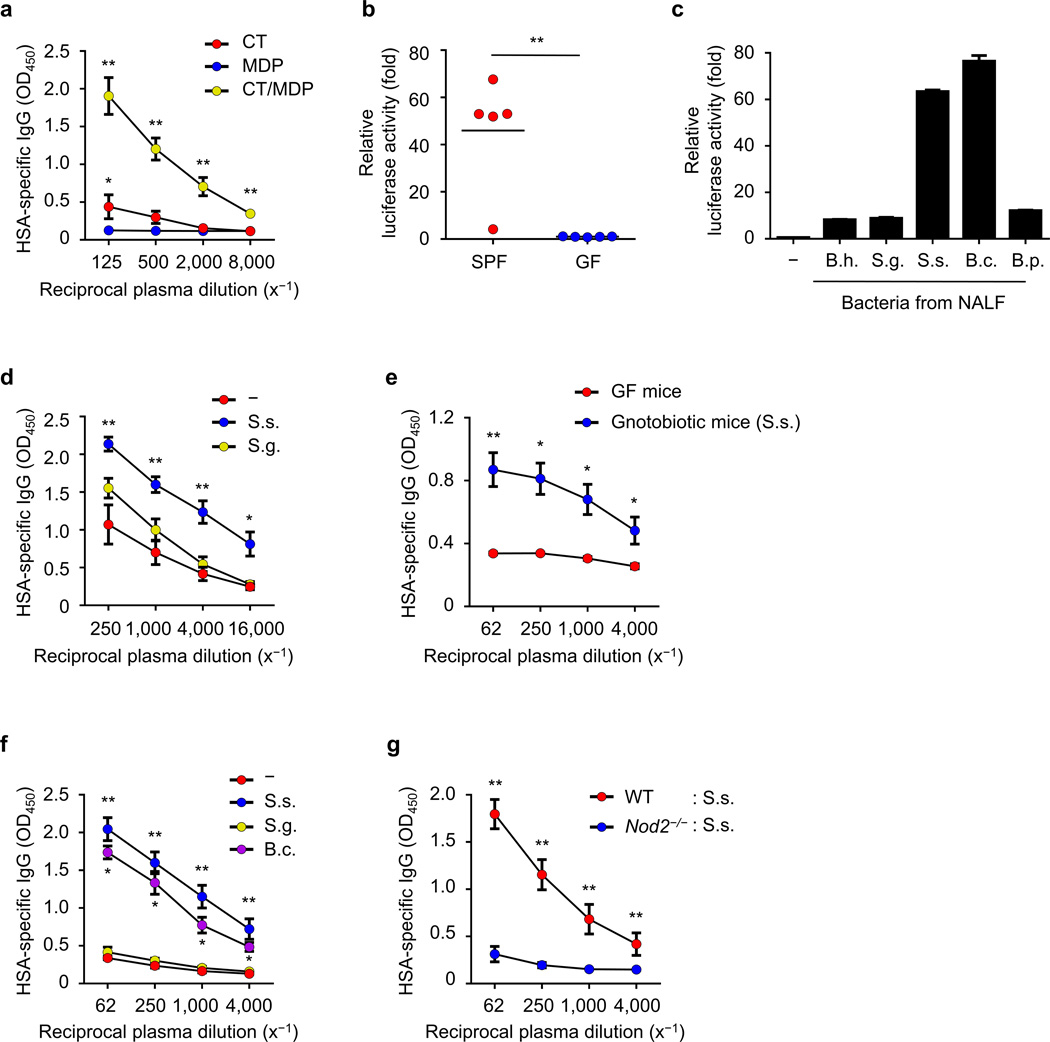
(a) Relative levels of HSA-specific IgG in plasma of GF mice (each group n = 5) intranasally immunized with indicated stimuli in the presence HSA on day 14 post-immunization. (b) Nod2-stimulatory activity in NALF from SPF or GF mice. Each dot represents an individual mouse and the mean value is displayed by a line (c) Nod2-stimulatory activity in indicated bacteria isolated from NALF. B. h., Bordetella hinzii; S. g., Staphylococcus gallinarum; S. s., Staphylococcus sciuri; B. c., Bacillus clausii; B. p., Bacillus pumilus. (d–f) Relative amounts of HSA-specific IgG were analyzed in plasma on day 14 post-immunization. (d) SPF mice (each group n = 5) were intranasally immunized with HSA and CT together with live S. sciuri or S. gallinarum. (e) GF (n = 5) and gnotobiotic mice (n = 6) monocolonized with S. sciuri were intranasally given HSA and CT on day 5 after monocolonization. (f) GF mice were intranasally treated with HSA and CT together with UV-inactivated S. sciuri, S. gallinarum, or B. clausii. (g) The relative levels of HSA-specific IgG were examined in plasma on day 14 post-immunization of WT GF (n = 5) and Nod2−/− GF (n = 6) mice given UV-inactivated S. sciuri, HSA, and CT. Data represent means ± s.e.m. (a, d–g) or ± s.d. (c). *P < 0.05 and **P < 0.01 by Kruskal-Wallis test with post-hoc Dunn’s test (a, d, f), by Mann-Whitney test (b, g) and by Student’s t-test (c). *P < 0.05 between CT and MDP groups by Mann-Whitney test (a).

References

    1. Freytag LC, Clements JD. Mucosal adjuvants. Vaccine. 2005;23:1804–1813. - PubMed
    1. Elson CO, Ealding W. Generalized systemic and mucosal immunity in mice after mucosal stimulation with cholera toxin. J. Immunol. 1984;132:2736–2741. - PubMed
    1. Porgador A, Staats HF, Itoh Y, Kelsall BL. Intranasal immunization with cytotoxic T-lymphocyte epitope peptide and mucosal adjuvant cholera toxin: selective augmentation of peptide-presenting dendritic cells in nasal mucosa-associated lymphoid tissue. Infect. Immun. 1998;66:5876–5881. - PMC - PubMed
    1. Sunahara RK, Dessauer CW, Whisnant RE, Kleuss C, Gilman AG. Interaction of Gs with the Cytosolic Domains of Mammalian Adenylyl Cyclase. J. Biol. Chem. 1997;272:22265–22271. - PubMed
    1. Lycke N, Tsuji T, Holmgren J. The adjuvant effect of Vibrio cholerae and Escherichia coli heat-labile enterotoxins is linked to their ADP-ribosyltransferase activity. Eur. J. Immunol. 1992;22:2277–2281. - PubMed

Methods References

    1. Kim D, et al. Suppression of Allergic Diarrhea in Murine Ovalbumin-Induced Allergic Diarrhea Model by PG102, a Water-Soluble Extract Prepared from Actinidia arguta. Int. Arch. Allergy Immunol. 2009;150:164–171. - PubMed
    1. Wu HY, Nguyen HH, Russell MW. Nasal lymphoid tissue (NALT) as a mucosal immune inductive site. Scandinavian journal of immunology. 1997;46:506–513. - PubMed
    1. Franchi L, Eigenbrod T, Nunez G. Cutting edge: TNF-alpha mediates sensitization to ATP and silica via the NLRP3 inflammasome in the absence of microbial stimulation. J. Immunol. 2009;183:792–796. - PMC - PubMed
    1. Hasegawa M, et al. Transitions in oral and intestinal microflora composition and innate immune receptor-dependent stimulation during mouse development. Infect. Immun. 2010;78:639–650. - PMC - PubMed
    1. Ubeda C, et al. Vancomycin-resistant Enterococcus domination of intestinal microbiota is enabled by antibiotic treatment in mice and precedes bloodstream invasion in humans. The Journal of clinical investigation. 2010;120:4332–4341. - PMC - PubMed

MeSH terms