


Hydroxycinnamic acid derivatives: a potential class of natural compounds for the management of lipid metabolism and obesity
- PMID: 27069498
- PMCID: PMC4827240
- DOI: 10.1186/s12986-016-0080-3
Hydroxycinnamic acid derivatives: a potential class of natural compounds for the management of lipid metabolism and obesity
Abstract
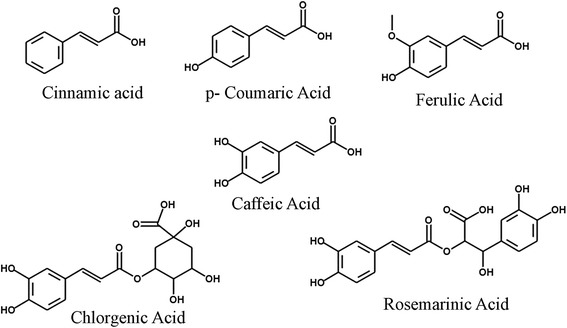
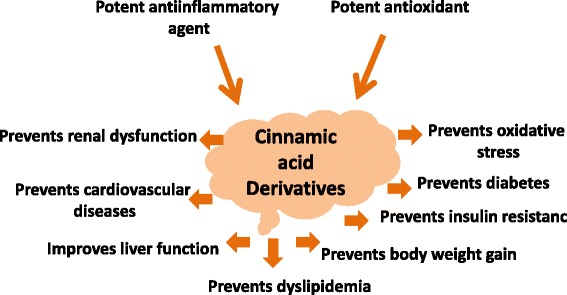
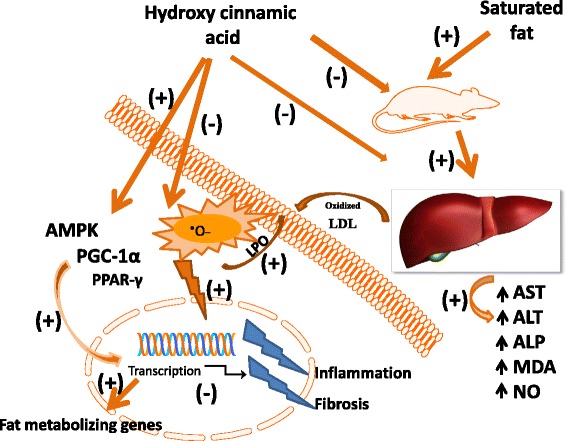
Hydroxycinnamic acid derivatives are important class of polyphenolic compounds originated from the Mavolanate-Shikimate biosynthesis pathways in plants. Several simple phenolic compounds such as cinnamic acid, p-coumaric acid, ferulic acid, caffeic acid, chlorgenic acid, and rosmarinic acid belong to this class. These phenolic compounds possess potent antioxidant and anti-inflammatory properties. These compounds were also showed potential therapeutic benefit in experimental diabetes and hyperlipidemia. Recent evidences also suggest that they may serve as valuable molecule for the treatment of obesity related health complications. In adipose tissues, hydroxycinnamic acid derivatives inhibit macrophage infiltration and nuclear factor κB (NF-κB) activation in obese animals. Hydroxycinnamic acid derivatives also reduce the expression of the potent proinflammatory adipokines tumor necrosis factor-α (TNFα), monocyte chemoattractant protein-1 (MCP-1), and plasminogen activator inhibitor type-1 (PAI-1), and they increase the secretion of an anti-inflammatory agent adiponectin from adipocytes. Furthermore, hydroxycinnamic acid derivatives also prevent adipocyte differentiation and lower lipid profile in experimental animals. Through these diverse mechanisms hydroxycinnamic acid derivatives reduce obesity and curtail associated adverse health complications.
Keywords: Diabetes; Dyslipidemia; Hydroxycinnamic acid; Inflammation; Obesity.
Figures
References
Publication types
LinkOut - more resources
Full Text Sources
Other Literature Sources
Research Materials
Miscellaneous
