


New therapeutic targets in alcoholic hepatitis
- PMID: 27072540
- PMCID: PMC5455987
- DOI: 10.1007/s12072-015-9701-6
New therapeutic targets in alcoholic hepatitis
Abstract
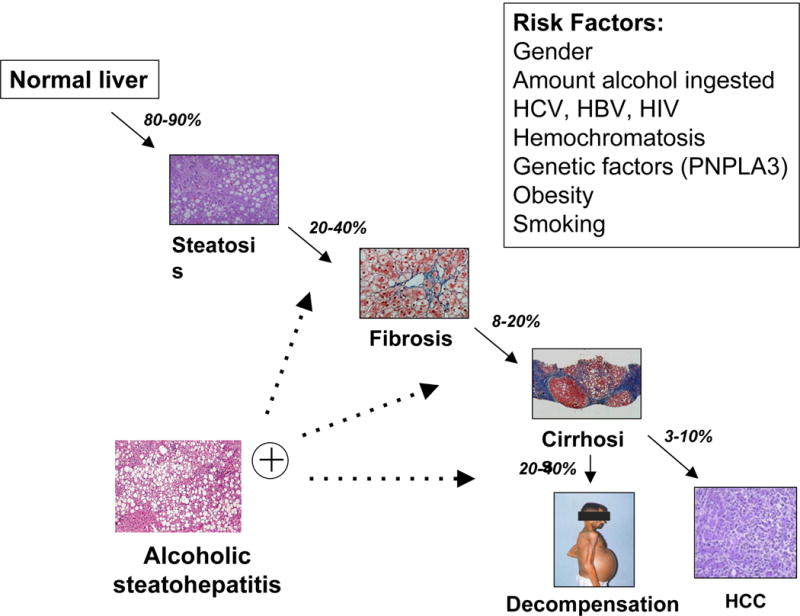
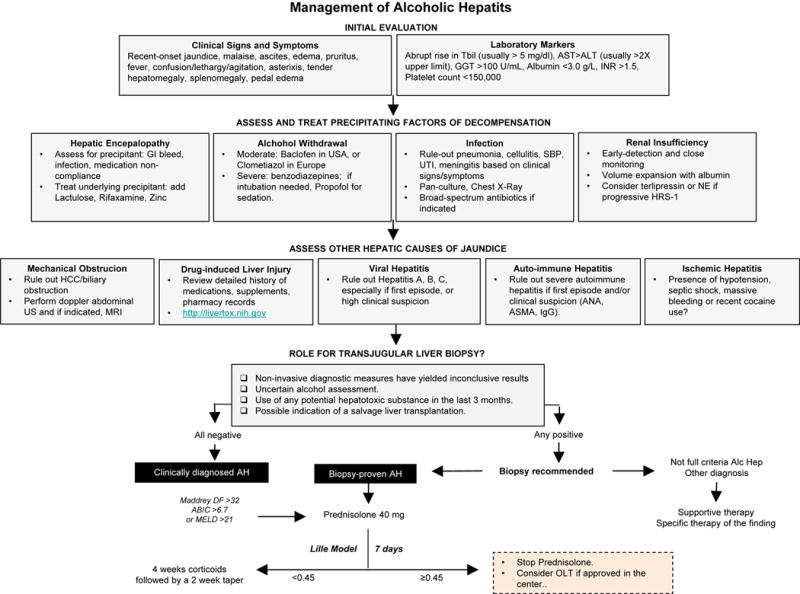
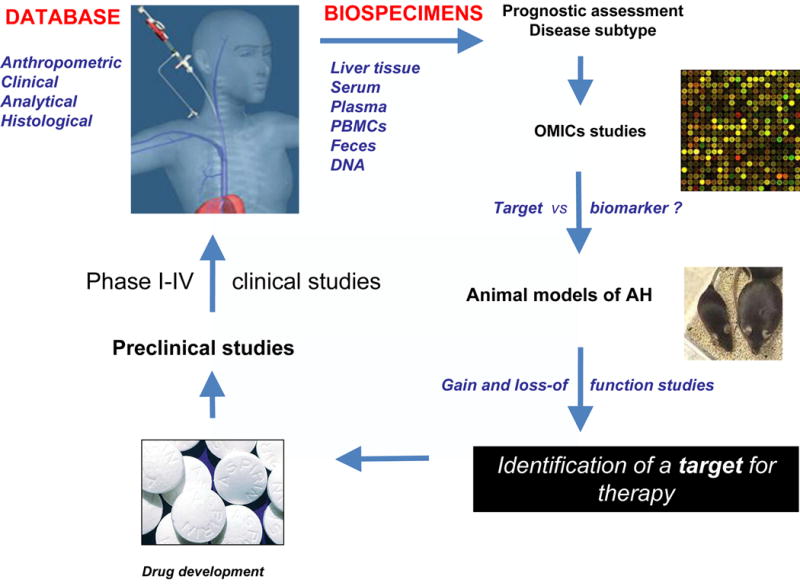
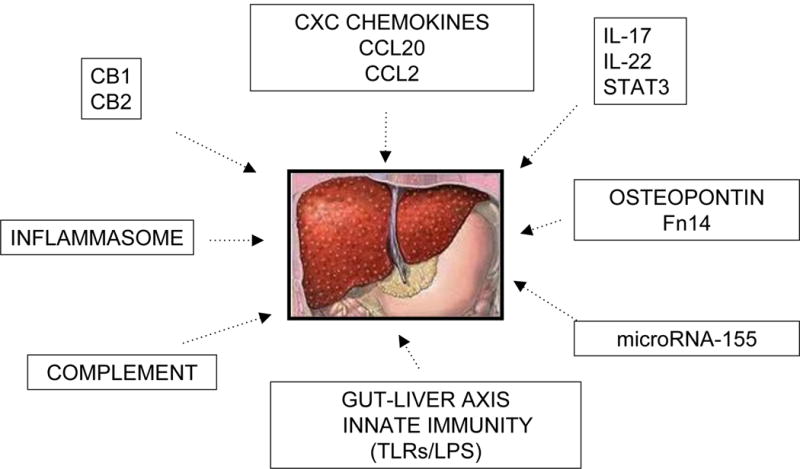
Alcoholic liver disease (ALD) is a leading cause of liver-related morbidity and mortality worldwide. ALD encompasses a spectrum of disorders including asymptomatic steatosis, steatohepatitis, fibrosis, cirrhosis and its related complications, and the acute-on-chronic state of alcoholic hepatitis. While multidisciplinary efforts continue to be aimed at curbing progression of this spectrum of disorders, there is an urgent need to focus our efforts on effective therapeutic interventions for alcoholic hepatitis (AH), the most severe form of ALD. AH is characterized by an abrupt development of jaundice and complications related to liver insufficiency and portal hypertension in patients with heavy alcohol intake. The mortality of patients with severe AH is very high (20-50 % at 3 months). The current therapeutic regimens are limited. The development of new therapies requires translational studies in human samples and suitable animal models that reproduce clinical and histological features of human AH. This review article summarizes the clinical syndrome, pre-clinical translational tools, and pathogenesis of AH at a molecular and cellular level, with the aim of identifying new targets of potential therapeutic intervention.
Figures
References
-
- O’Shea RS, et al. Alcoholic liver disease. Hepatology. 2010;51:307–328. - PubMed
-
- World Health Organization. Alcohol Fact Sheet WHO Media Center Fact Sheets. 2015 < http://www.who.int/mediacentre/factsheets/fs349/en/>.
-
- NIAAA. Alcohol Facts and Statistics. < http://www.niaaa.nih.gov/alcohol-health/overview-alcohol-consumption/alc...>.
-
- Sandahl TD, Jepsen P, Thomsen KL, Vilstrup H. Incidence and mortality of alcoholic hepatitis in Denmark 1999–2008: a nationwide population based cohort study. J Hepatol. 2011;54:760–4. - PubMed
Publication types
MeSH terms
Grants and funding
LinkOut - more resources
Full Text Sources
Other Literature Sources
