


Using the incidence and impact of behavioural conditions in guide dogs to investigate patterns in undesirable behaviour in dogs
- PMID: 27075868
- PMCID: PMC4831008
- DOI: 10.1038/srep23860
Using the incidence and impact of behavioural conditions in guide dogs to investigate patterns in undesirable behaviour in dogs
Abstract
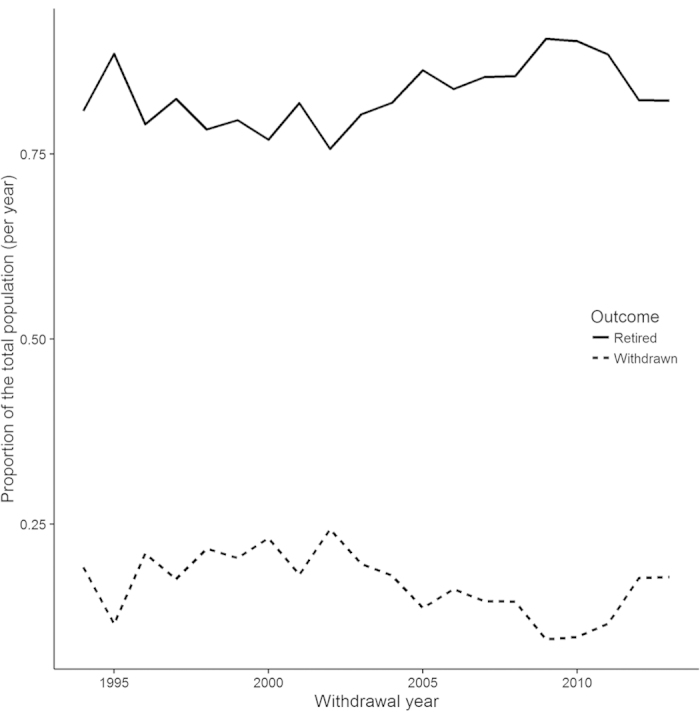
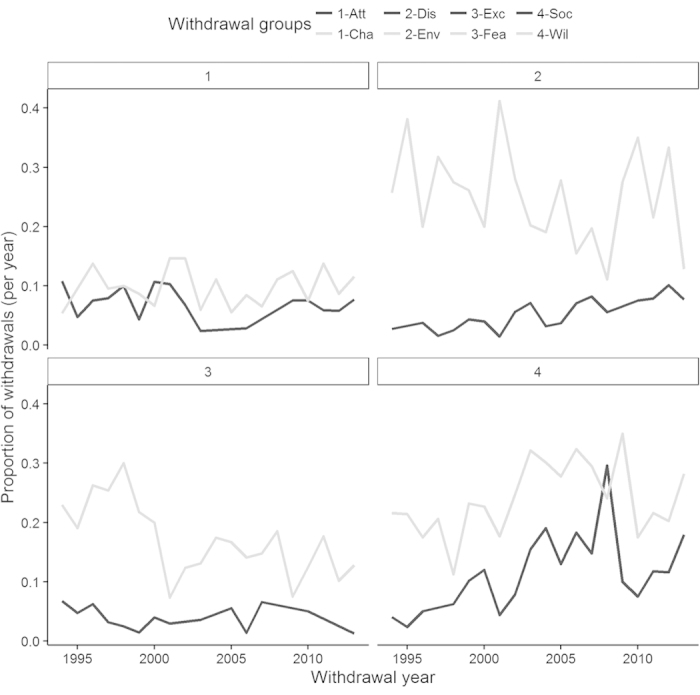
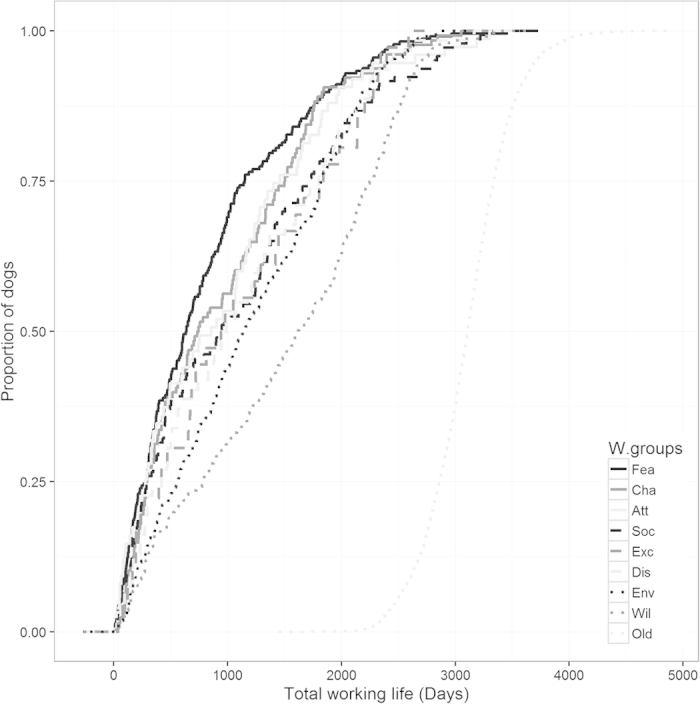
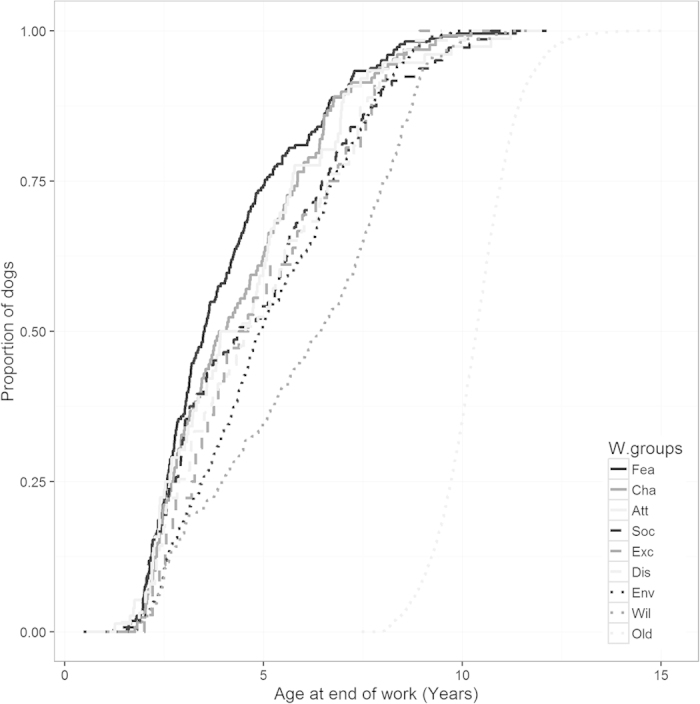
The domestic dog is one of our most popular companions and longest relationships, occupying different roles, from pet to working guide dog for the blind. As dogs age different behavioural issues occur and in some cases dogs may be relinquished or removed from their working service. Here we analyse a dataset on working guide dogs that were removed from their service between 1994 and 2013. We use the withdrawal reasons as a proxy for the manifestation of undesirable behaviour. More than 7,500 dogs were in the dataset used, 83% of which were retired (due to old age) and 17% were withdrawn for behavioural issues. We found that the main reasons for behaviour withdrawal were environmental anxiety, training, and fear/aggression. Breed and sex had an effect on the odds of dogs being withdrawn under the different reasons. The age at withdrawal for the different withdrawal reasons suggested that dogs were more likely to develop fear/aggression related issues early on, whilst issues related to training could develop at almost any age. We found no evidence for heterosis effecting behaviour. We believe that this work is relevant to the pet dog population and had implications for understanding ageing and genetic influences on behaviour.
Figures
References
-
- King T., Marston L. C. & Bennett P. C. Breeding dogs for beauty and behaviour: Why scientists need to do more to develop valid and reliable behaviour assessments for dogs kept as companions. Appl. Anim. Behav. Sci. 137, 1–12 (2012).
-
- Asher L. et al.. A standardized behavior test for potential guide dog puppies: Methods and association with subsequent success in guide dog training. J. Vet. Behav. 8, 431–438 (2013).
-
- Slabbert J. & Odendaal J. Early prediction of adult police dog efficiency—a longitudinal study. Appl. Anim. Behav. Sci. 64, 269–288 (1999).
-
- Sinn D. L., Gosling S. D. & Hilliard S. Personality and performance in military working dogs: Reliability and predictive validity of behavioral tests. Appl. Anim. Behav. Sci. 127, 51–65 (2010).
MeSH terms
LinkOut - more resources
Full Text Sources
Other Literature Sources
Medical
Molecular Biology Databases
Research Materials
