


Diabetic foot disease: From the evaluation of the "foot at risk" to the novel diabetic ulcer treatment modalities
- PMID: 27076876
- PMCID: PMC4824686
- DOI: 10.4239/wjd.v7.i7.153
Diabetic foot disease: From the evaluation of the "foot at risk" to the novel diabetic ulcer treatment modalities
Abstract
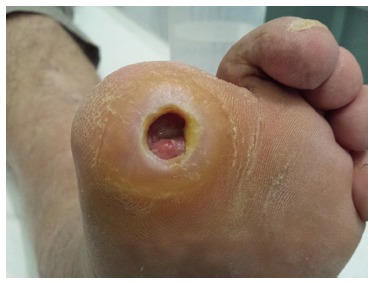
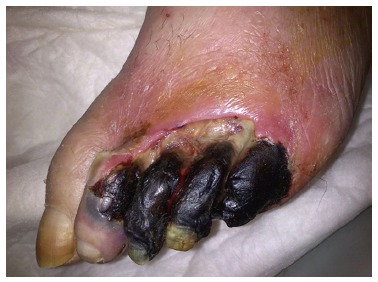
The burden of diabetic foot disease (DFD) is expected to increase in the future. The incidence of DFD is still rising due to the high prevalence of DFD predisposing factors. DFD is multifactorial in nature; however most of the diabetic foot amputations are preceded by foot ulceration. Diabetic peripheral neuropathy (DPN) is a major risk factor for foot ulceration. DPN leads to loss of protective sensation resulting in continuous unconscious traumas. Patient education and detection of high risk foot are essential for the prevention of foot ulceration and amputation. Proper assessment of the diabetic foot ulceration and appropriate management ensure better prognosis. Management is based on revascularization procedures, wound debridement, treatment of infection and ulcer offloading. Management and type of dressing applied are tailored according to the type of wound and the foot condition. The scope of this review paper is to describe the diabetic foot syndrome starting from the evaluation of the foot at risk for ulceration, up to the new treatment modalities.
Keywords: Diabetes; Diabetic complications; Diabetic foot; Diabetic macroanggiopathy; Diabetic neuropathy; Diabetic ulcer.
Figures
References
-
- Reiber GE, Ledoux WR. Epidemiology of diabetic foot ulcers and amputations: Evidence for prevention. In: Williams R, Herman W, Kinmonth AL, Wareham NJ, editors. The evidence base for diabetes care. Chichester; Hoboken (NJ): John Wiley & Sons, Ltd; 2003. pp. 641–665.
-
- Apelqvist J, Bakker K, van Houtum WH, Nabuurs-Franssen MH, Schaper NC. International consensus and practical guidelines on the management and the prevention of the diabetic foot. International Working Group on the Diabetic Foot. Diabetes Metab Res Rev. 2000;16 Suppl 1:S84–S92. - PubMed
-
- Rathur HM, Boulton AJ. The diabetic foot. Clin Dermatol. 2007;25:109–120. - PubMed
-
- Khanolkar MP, Bain SC, Stephens JW. The diabetic foot. QJM. 2008;101:685–695. - PubMed
-
- UK Prospective Diabetes Study (UKPDS) Group. Intensive blood-glucose control with sulphonylureas or insulin compared with conventional treatment and risk of complications in patients with type 2 diabetes (UKPDS 33) Lancet. 1998;352:837–853. - PubMed
Publication types
LinkOut - more resources
Full Text Sources
Other Literature Sources
Medical
