Comparative Study
. 2016 Apr 18;11(4):e0152309.
doi: 10.1371/journal.pone.0152309. eCollection 2016.

The Neural Correlates of Chronic Symptoms of Vertigo Proneness in Humans

Affiliations
Comparative Study

The Neural Correlates of Chronic Symptoms of Vertigo Proneness in Humans

Ola Alsalman et al. PLoS One. .

Abstract

Vestibular signals are of significant importance for variable functions including gaze stabilization, spatial perception, navigation, cognition, and bodily self-consciousness. The vestibular network governs functions that might be impaired in patients affected with vestibular dysfunction. It is currently unclear how different brain regions/networks process vestibular information and integrate the information into a unified spatial percept related to somatosensory awareness and whether people with recurrent balance complaints have a neural signature as a trait affecting their development of chronic symptoms of vertigo. Pivotal evidence points to a vestibular-related brain network in humans that is widely distributed in nature. By using resting state source localized electroencephalography in non-vertiginous state, electrophysiological changes in activity and functional connectivity of 23 patients with balance complaints where chronic symptoms of vertigo and dizziness are among the most common reported complaints are analyzed and compared to healthy subjects. The analyses showed increased alpha2 activity within the posterior cingulate cortex and the precuneues/cuneus and reduced beta3 and gamma activity within the pregenual and subgenual anterior cingulate cortex for the subjects with balance complaints. These electrophysiological variations were correlated with reported chronic symptoms of vertigo intensity. A region of interest analysis found reduced functional connectivity for gamma activity within the vestibular cortex, precuneus, frontal eye field, intra-parietal sulcus, orbitofrontal cortex, and the dorsal anterior cingulate cortex. In addition, there was a positive correlation between chronic symptoms of vertigo intensity and increased alpha-gamma nesting in the left frontal eye field. When compared to healthy subjects, there is evidence of electrophysiological changes in the brain of patients with balance complaints even outside chronic symptoms of vertigo episodes. This suggests that these patients have a neural signature or trait that makes them prone to developing chronic balance problems.


Conflict of interest statement

Competing Interests: The authors have declared that no competing interest exist.

Figures

Fig 1
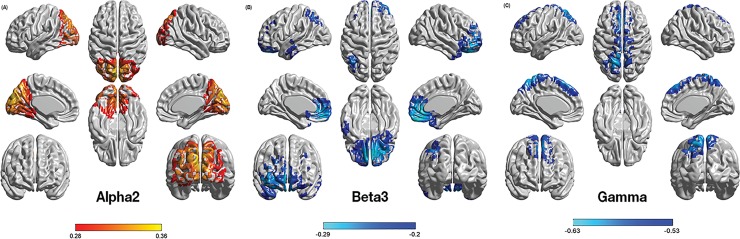
Fig 1. A whole brain group comparison between patients with chronic vestibular symptoms and healthy subjects.
A comparison of source analyzed resting state brain activity between patients with chronic symptoms of vertigo and healthy subjects revealed: (A) a significant increase (in red) of alpha2 activity in the posterior cingulate cortex extending into the parahippocampal area, precuneus, and cuneus regions, (B) a decrease (in blue) for beta3, activity predominant in the ventral medial prefrontal cortex/pregenual anterior cingulate cortex, subgenual anterior cingulate cortex and the medial orbitofrontal cortex,as well as the left anterior midtemporal area and the dorsal attention network which incorporates regions of the superior parietal area and dorsolateral prefrontal cortex). As for gamma, figure (C) shows decreased (in blue) for gamma frequency band, mostly present in the pre-supplementary motor area extending into the frontal eye fields as well as the precuneus.
Fig 2
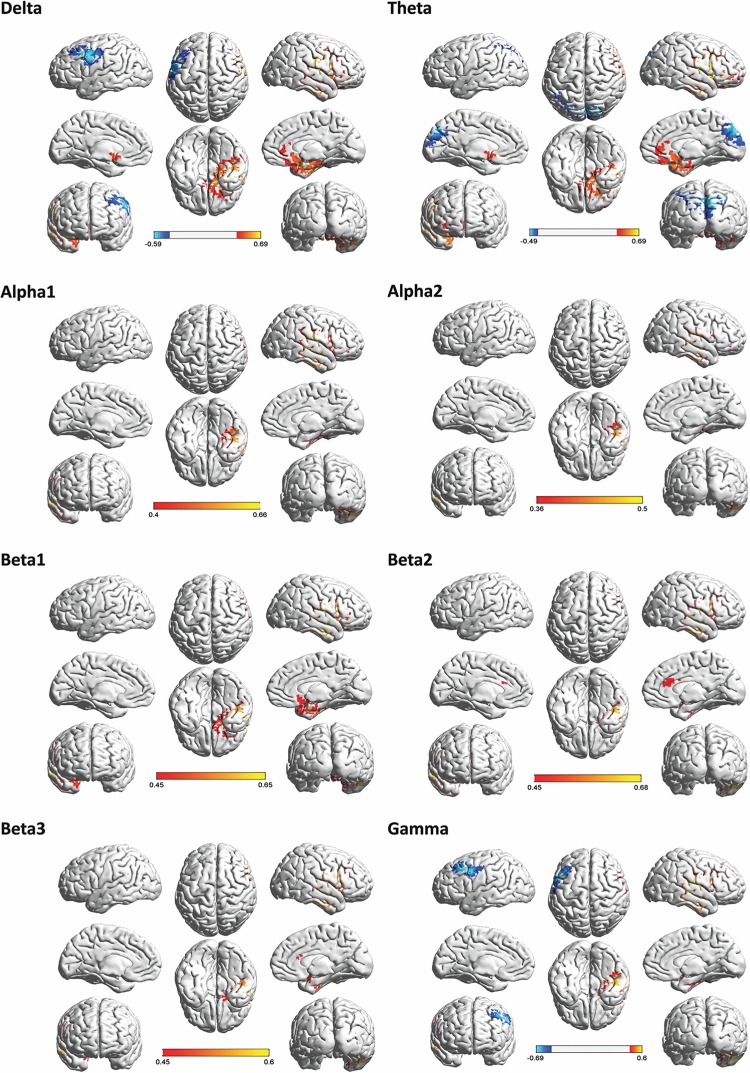
Fig 2. Correlation between brain frequency band activity and the VAS measure of intensity.
There was a negative correlation between delta activity and the VAS measure of intensity (r = -.59) in the frontal eye fields, while delta activity correlated positively (r = .69) with the subgenual anterior cingulate cortex, anterior medial temporal cortex, insula, vestibular cortex, and the intensity of chronic symptoms of vertigo. As for theta activity a negative correlation (r = -.49) between the precuneus/cuneus, and a positive correlation (r = .69) with subgenual anterior cingulate cortex, anterior medial temporal cortex, insula, vestibular cortex, and the VAS measure of intensity was obtained. Alpha1 (r = .40), alpha2 (r = .36), beta1, beta2, and beta3 (r = .45) were positively correlated with the VAS measure of intensity and activity in the posterior insula, the subgenual anterior cingulate cortex, anterior medial temporal cortex, and the dorsal anterior cingulate cortex, respectively, As for gamma, a negative correlation (r = -.69) was identified for the frontal eye fields, and a positive correlation (r = .60) for the posterior insula extending into the vestibular cortex.
Fig 3
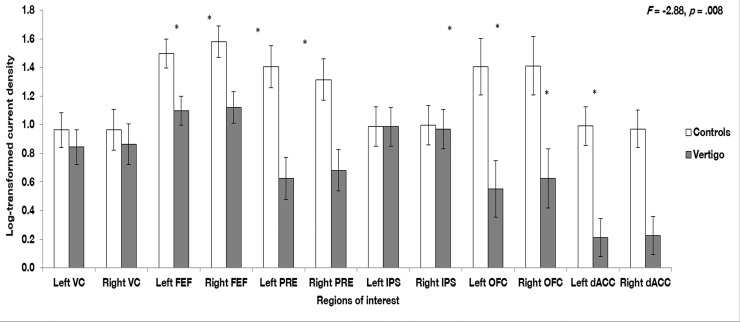
Fig 3. Region of interest (ROI) analysis.
A one-way MANOVA analysis of variance showed a significant difference for the left and right frontal eye field (p = .007, p = .005), left and right precuneus (p = .00, p = .003), left and right orbitofrontal cortex (p = .004, p = .009), and the left and right dorsal anterior cingulate cortex (p < .001). The left and right vestibular cortex, as well as the left and right intra-parietal sulcus yielded no significant effects. Error bars designate standard errors, and a * indicate a significant difference.
Fig 4
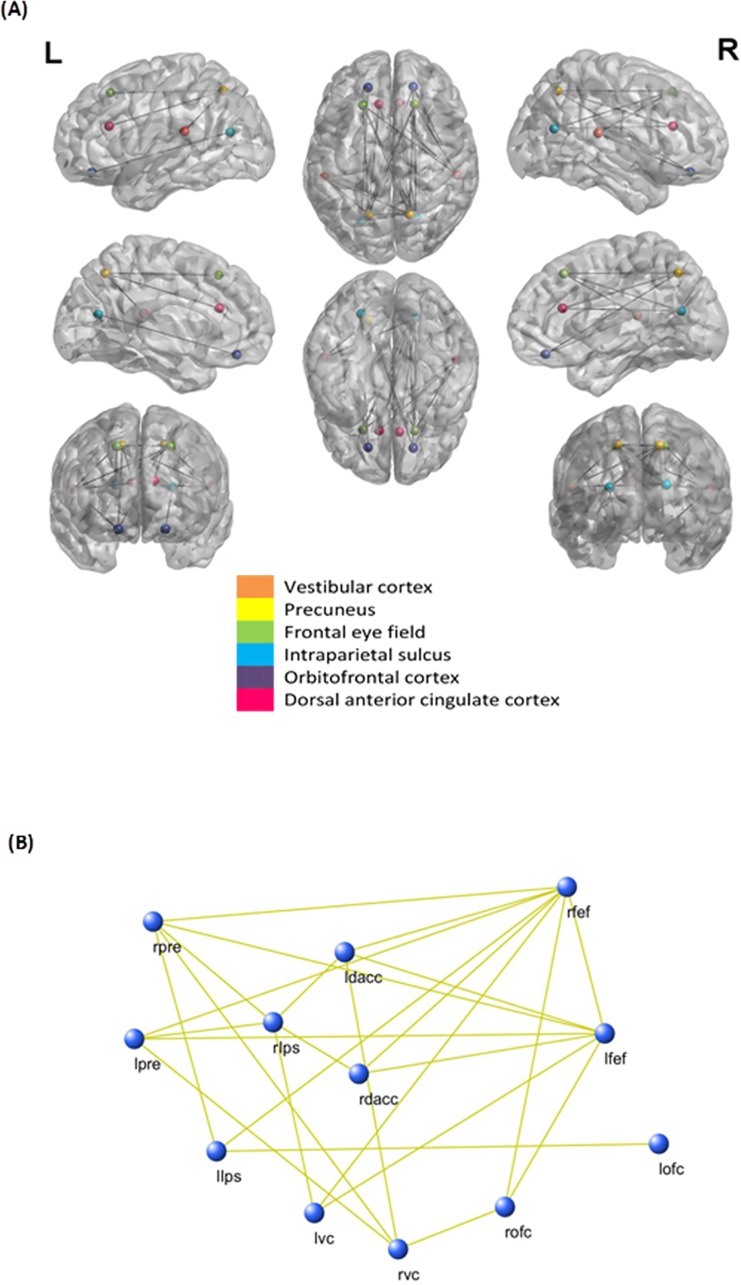
Fig 4. Functional connectivity analysis.
Functional connectivity as measured by lagged phase synchronization for the gamma frequency band. (A) A decreased lagged phase synchronization is found for gamma between the vestibular cortex, precuneus, frontal eye field, intra-parietal sulcus, orbitofrontal cortex, and the dorsal anterior cingulate cortex. (B). Schematic representation of the interactions and connections between the different region of interests.
Fig 5
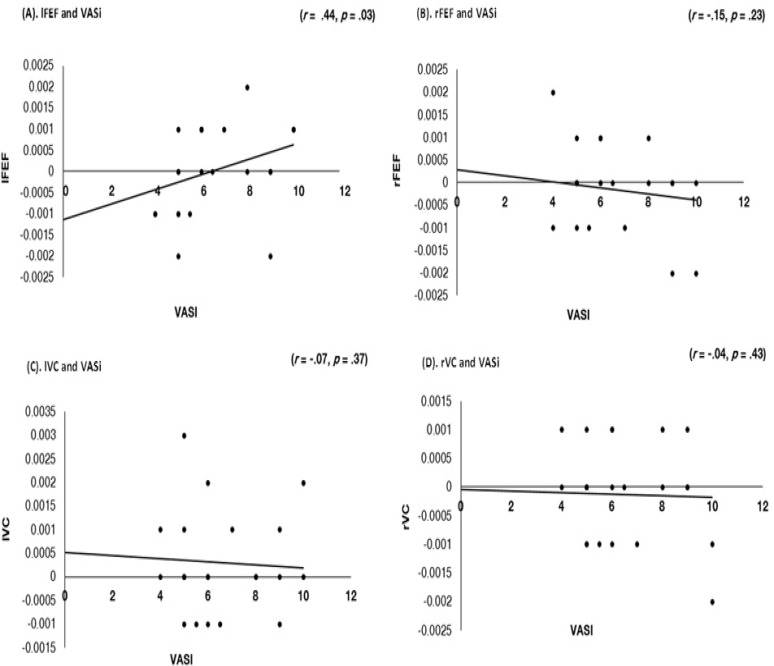
Fig 5. Correlation of alpha-gamma cross-frequency coupled oscillations (= nesting).
A correlation of the frontal eye field (FEF), the vestibular cortex (VC) and the visual analogue scale (VAS) measure of intensity. (A) shows a positive correlation between left FEF (lFEF) and VAS measure of intensity (r = .44), suggesting as nesting of alpha-gamma in the left FEF increased, measures of VAS intensity increased. There was no association between nesting of alpha-gamma for (B) right FEF (rFEF), (C) left VC (lVC), and (D) right VC (rVC) and the VAS measure of intensity.

References

    1. Brandt T, Dieterich M, Danek A. Vestibular cortex lesions affect the perception of verticality. Ann Neurol. 1994;35(4):403–12. . - PubMed
    1. Brandt T, Strupp M, Dieterich M. Five keys for diagnosing most vertigo, dizziness, and imbalance syndromes: an expert opinion. Journal of neurology. 2014;261(1):229–31. 10.1007/s00415-013-7190-x . - DOI - PubMed
    1. Neuhauser HK, Radtke A, von Brevern M, Lezius F, Feldmann M, Lempert T. Burden of dizziness and vertigo in the community. Archives of internal medicine. 2008;168(19):2118–24. 10.1001/archinte.168.19.2118 . - DOI - PubMed
    1. Neuhauser HK. Epidemiology of vertigo. Current opinion in neurology. 2007;20(1):40–6. 10.1097/WCO.0b013e328013f432 . - DOI - PubMed
    1. Neuhauser HK, von Brevern M, Radtke A, Lezius F, Feldmann M, Ziese T, et al. Epidemiology of vestibular vertigo: a neurotologic survey of the general population. Neurology. 2005;65(6):898–904. 10.1212/01.wnl.0000175987.59991.3d . - DOI - PubMed

Publication types