


Genome-wide identification of Wnt/β-catenin transcriptional targets during Xenopus gastrulation
- PMID: 27091726
- PMCID: PMC6288011
- DOI: 10.1016/j.ydbio.2016.03.021
Genome-wide identification of Wnt/β-catenin transcriptional targets during Xenopus gastrulation
Abstract
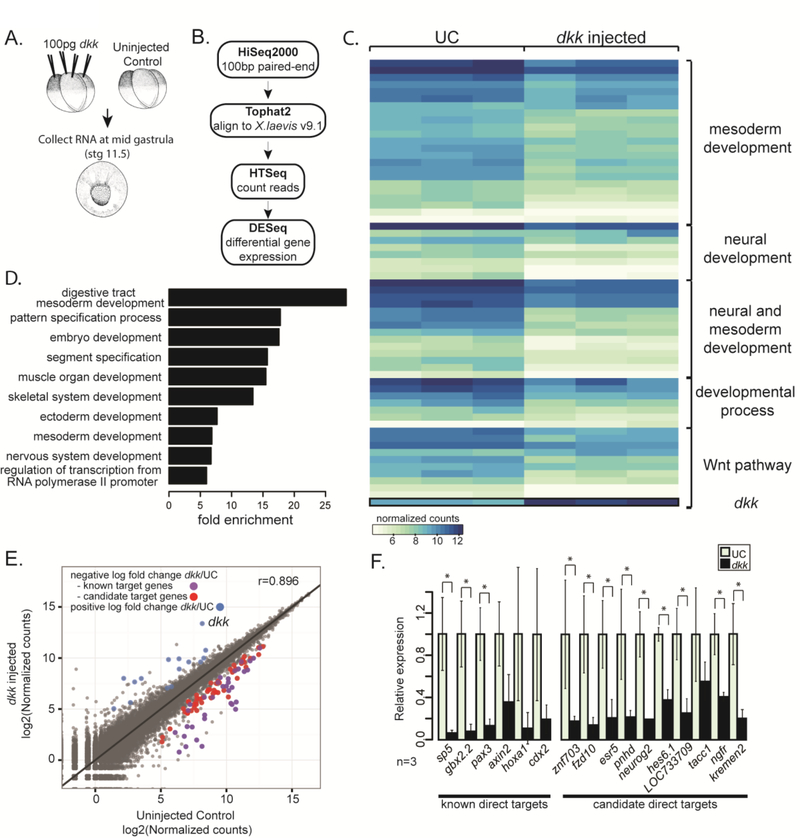
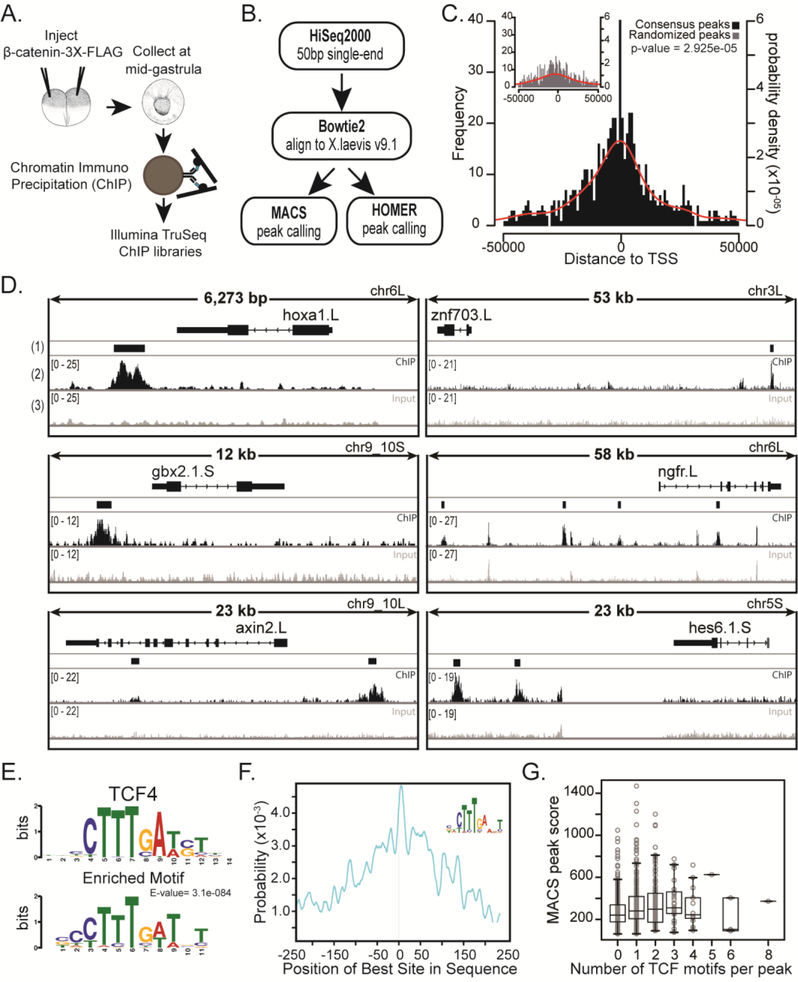
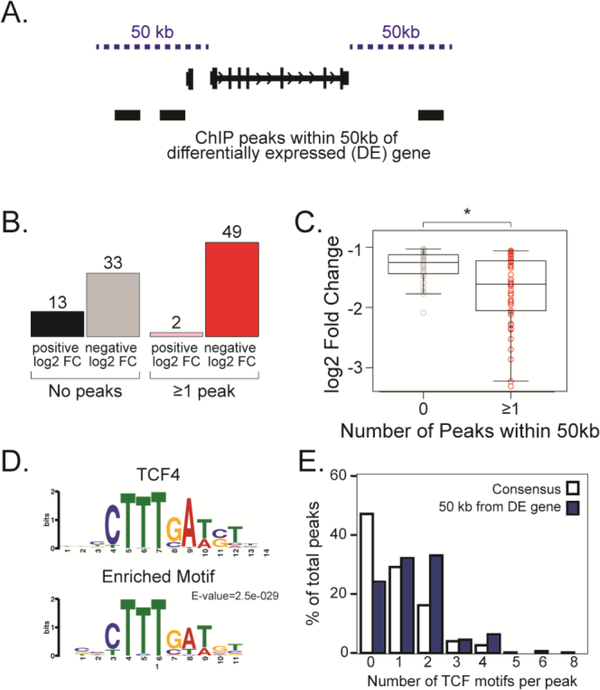
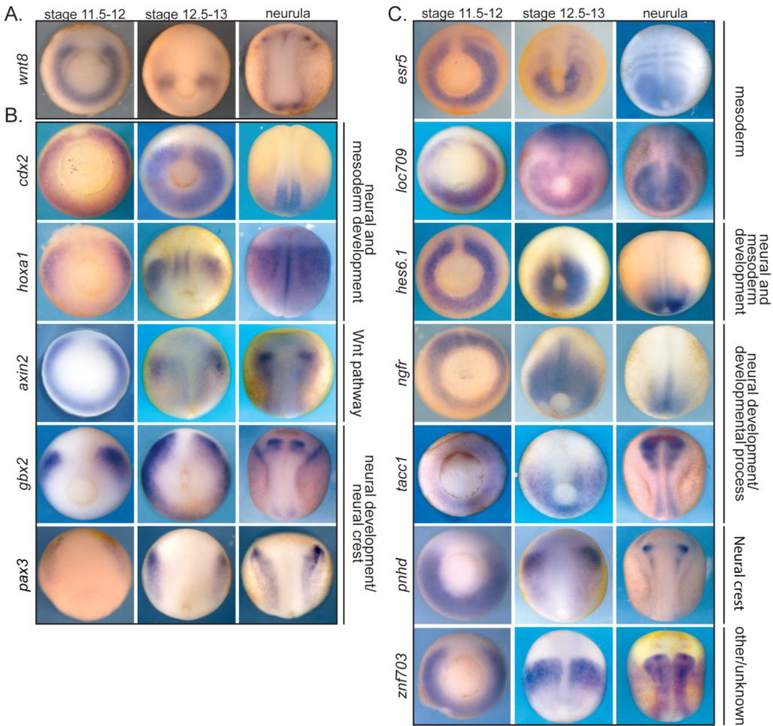
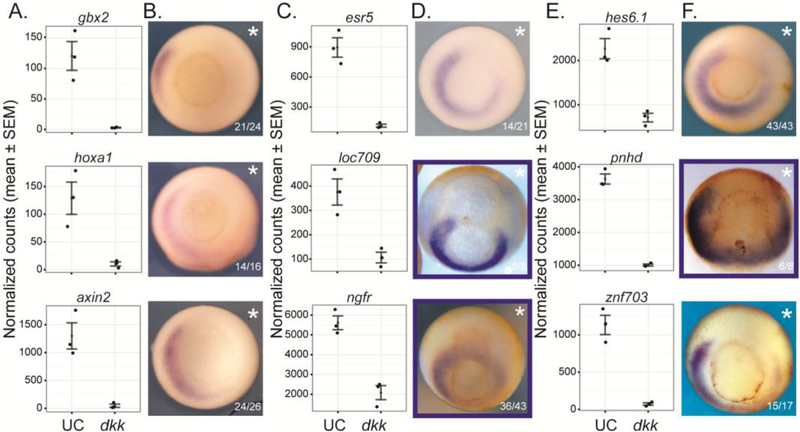
The canonical Wnt/β-catenin signaling pathway plays multiple roles during Xenopus gastrulation, including posteriorization of the neural plate, patterning of the mesoderm, and induction of the neural crest. Wnt signaling stabilizes β-catenin, which then activates target genes. However, few targets of this signaling pathway that mediate early developmental processes are known. Here we sought to identify transcriptional targets of the Wnt/β-catenin signaling pathway using a genome-wide approach. We selected putative targets using the criteria of reduced expression upon zygotic Wnt knockdown, β-catenin binding within 50kb of the gene, and expression in tissues that receive Wnt signaling. Using these criteria, we found 21 novel direct transcriptional targets of Wnt/β-catenin signaling during gastrulation and in addition have identified putative regulatory elements for further characterization in future studies.
Keywords: Mesoderm patterning; Neural crest induction; Posterior neural tube development; Transcriptional targets; Wnt/β-catenin signaling; Xenopus gastrulation.
Copyright © 2017. Published by Elsevier Inc.
Conflict of interest statement
Competing Interests
The authors declare no competing financial interests.
Figures
References
-
- Blumberg B, Bolado J, Moreno TA, Kintner C, Evans RM, Papalopulu N, 1997. An essential role for retinoid signaling in anteroposterior neural patterning. Development 124, 373–379. - PubMed
MeSH terms
Substances
Grants and funding
LinkOut - more resources
Full Text Sources
Other Literature Sources
Molecular Biology Databases
Research Materials
