


Prevalence and Genetic Diversity of Enteric Viruses in Children with Diarrhea in Ouagadougou, Burkina Faso
- PMID: 27092779
- PMCID: PMC4836733
- DOI: 10.1371/journal.pone.0153652
Prevalence and Genetic Diversity of Enteric Viruses in Children with Diarrhea in Ouagadougou, Burkina Faso
Abstract
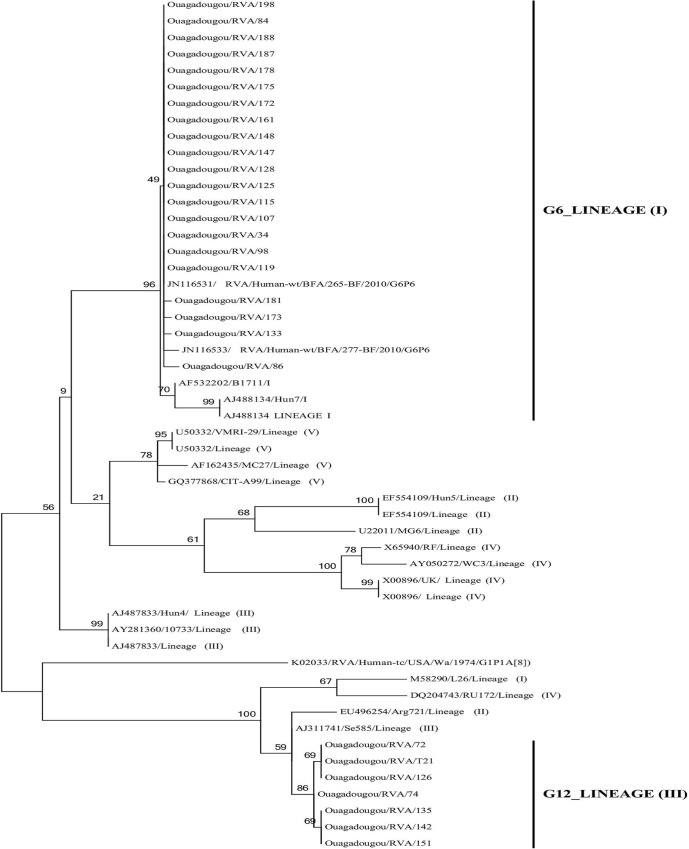
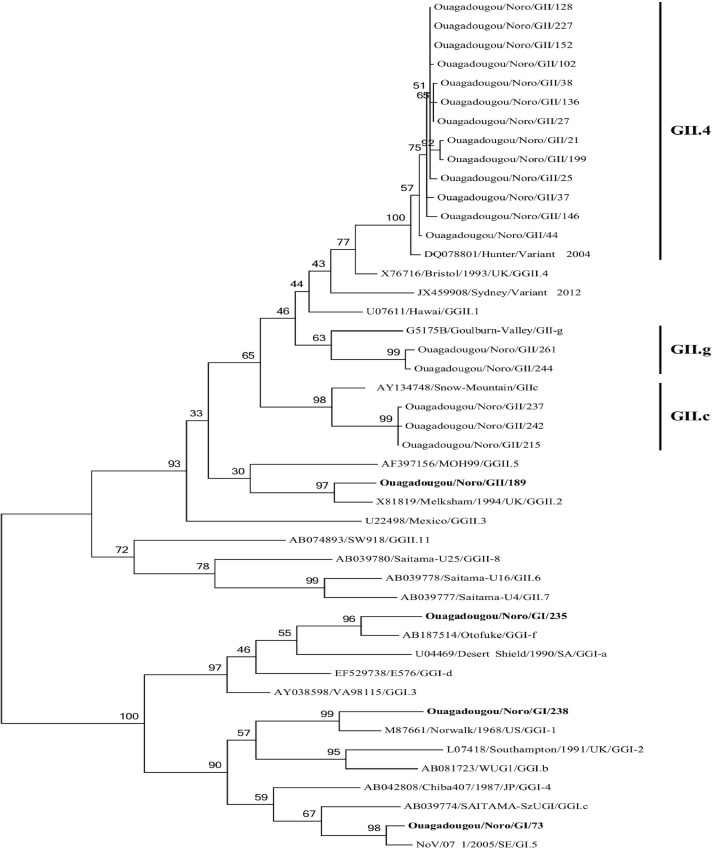
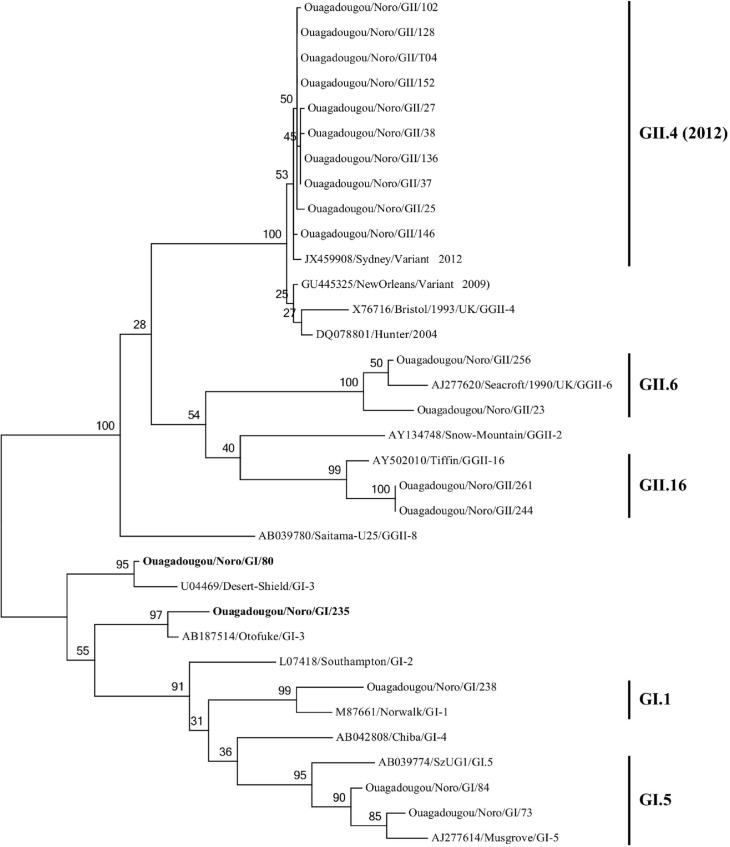
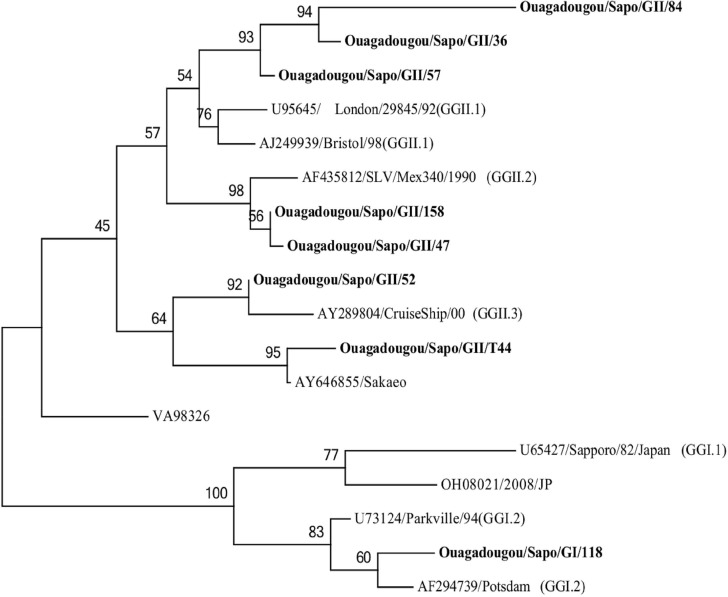
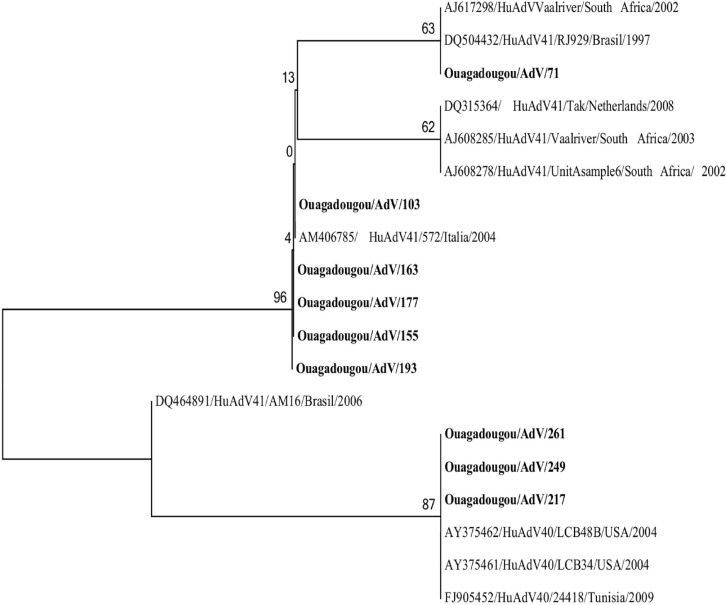
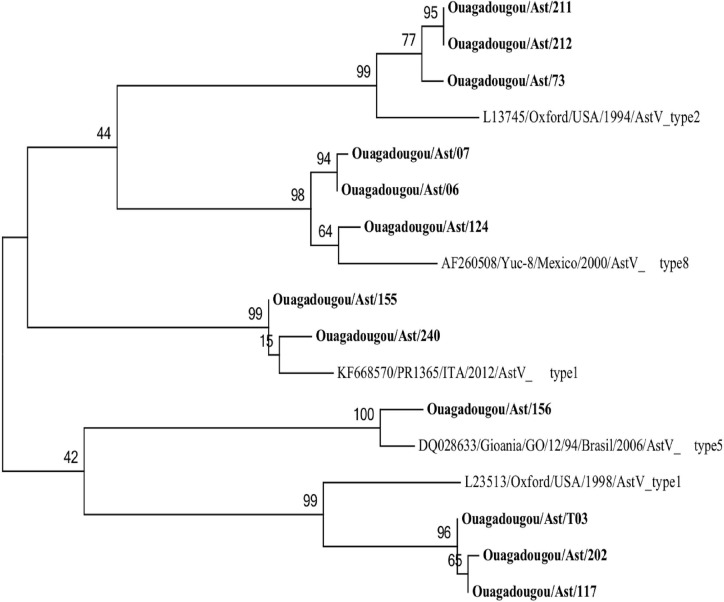
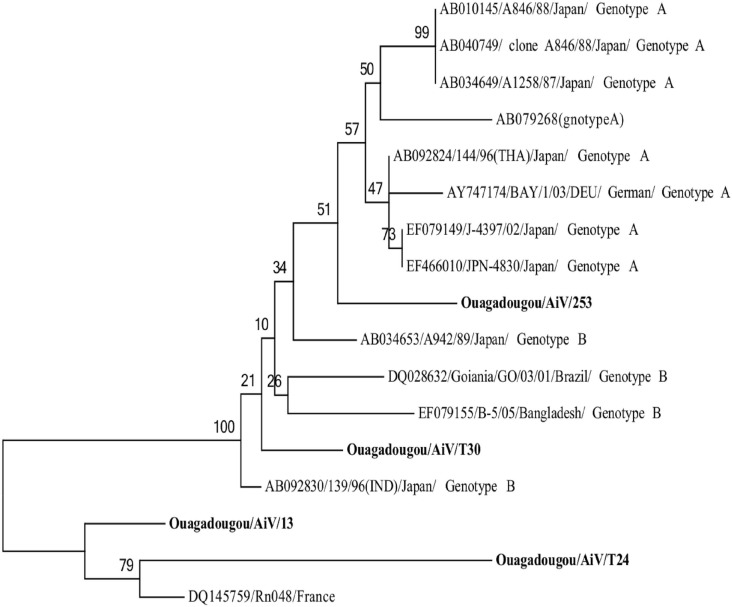
Enteric viruses are a major cause of diarrhea in children, especially those under five years old. Identifying the viral agents is critical to the development of effective preventive measures. This study aimed to determine the prevalence and genetic diversity of common enteric viruses in children under five years old in Burkina Faso. Stool samples from children with (n = 263) and without (n = 50) diarrhea disorders were collected in Ouagadougou, Burkina Faso from November 2011 to September 2012. Rotavirus, norovirus, sapovirus, astrovirus, adenovirus and Aichivirus A were detected using real-time or end-point (RT-)PCR. Rotavirus strains were G and P genotyped by multiplex RT-PCR and other viral strains were characterized by sequencing of viral subgenomic segements. At least one viral agent was detected in 85.6% and 72% of the symptomatic and asymptomatic patients, respectively. Rotavirus (63.5%), adenovirus (31.2%) and genogroup II norovirus (18.2%) were the most prevalent viruses in symptomatic patients, but only rotavirus and genogroup II norovirus were significantly associated with diarrhea (OR: 7.9, 95%CI: 3.7-17; OR: 3.5, 95%CI: 1-11.7, respectively). Sapovirus (10.3%), astrovirus (4.9%), genogroup I norovirus (2.7%) and Aichivirus A (0.8%) were less prevalent. The predominant genotype of rotavirus was G9P[8] (36.5%), and the predominant norovirus strain was GII.4 variant 2012 (71.4%). Among sapovirus, the genogroup II (87.5%) predominated. Astrovirus type 1 (41.7%) was the most frequent astrovirus identified. Aichivirus A belonged to the three genotypes (A, B and C). Enteric adenoviruses type 40 and 41 were identified in 10.2% and 5.1% respectively. Several cases of co-infections were detected. The results highlight the high prevalence and the high diversity of enteric viruses in Burkinabe children.
Conflict of interest statement
Figures
References
-
- Patel MM, Hall AJ, Vinjé J, Parashar UD. Norovirsues: a comprehensive review. Clin Virol. 2009; 44(1):1–8. Epub 2008 Dec 11. . - PubMed
-
- Estes M, Kapikian A. Rotaviruses In: Fields BN, Knipe DM, Howley PM, Griffin DE, Lamb RA, Martin MA, Roizman B, Straus ES, editors. Fields virology. 5th edition Philadelphia, PA: Lippincott Williams & Wilkins; 2007. pp 1917–1974.
-
- Armah GE, Sow SO, Breiman RF, Dallas MJ, Tapia MD, Feikin DR, et al. Efficacy of pentavalent rotavirus vaccine against severe rotavirus gastroenteritis in infants in developing countries in sub-Saharan Africa: a randomised, double-blind, placebo-controlled trial. Lancet. 2010; 376: 606–614. 10.1016/S0140-6736(10)60889-6 - DOI - PubMed
MeSH terms
Substances
LinkOut - more resources
Full Text Sources
Other Literature Sources
Medical
