


Cellular response to DNA interstrand crosslinks: the Fanconi anemia pathway
- PMID: 27094386
- PMCID: PMC4951507
- DOI: 10.1007/s00018-016-2218-x
Cellular response to DNA interstrand crosslinks: the Fanconi anemia pathway
Abstract
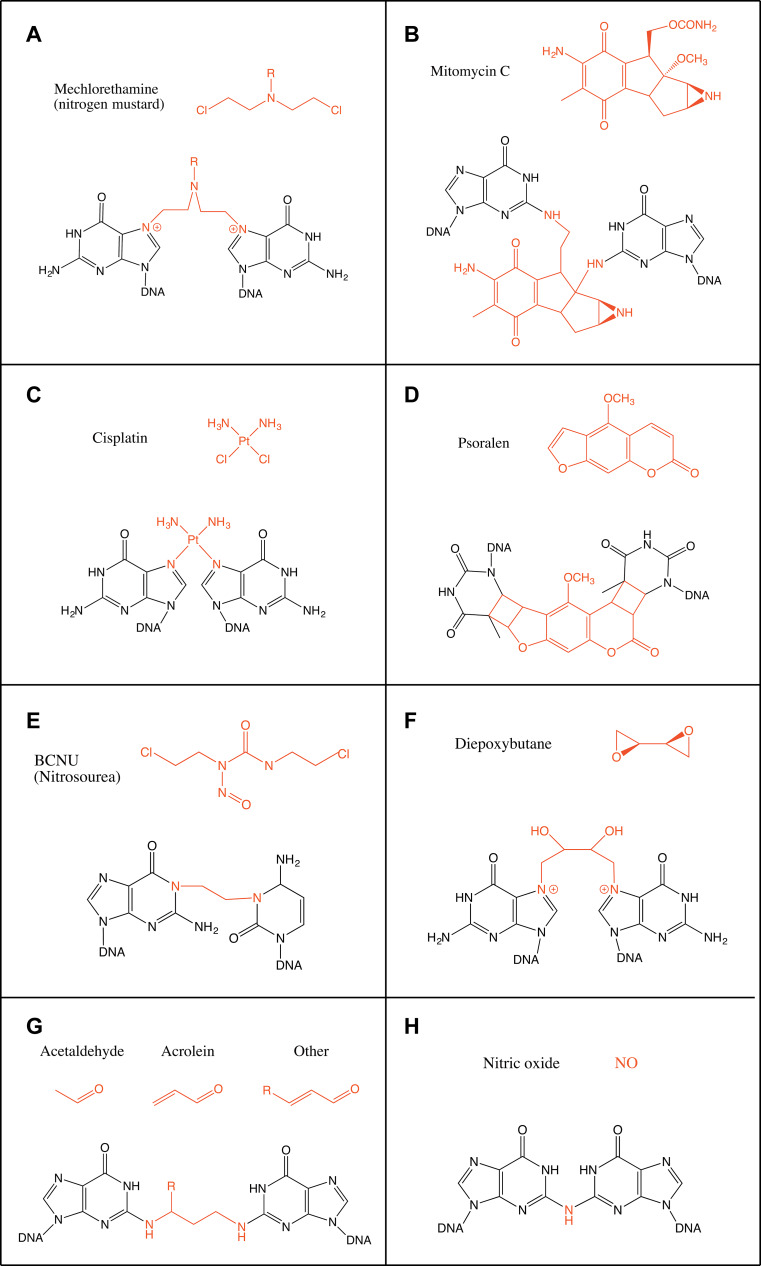
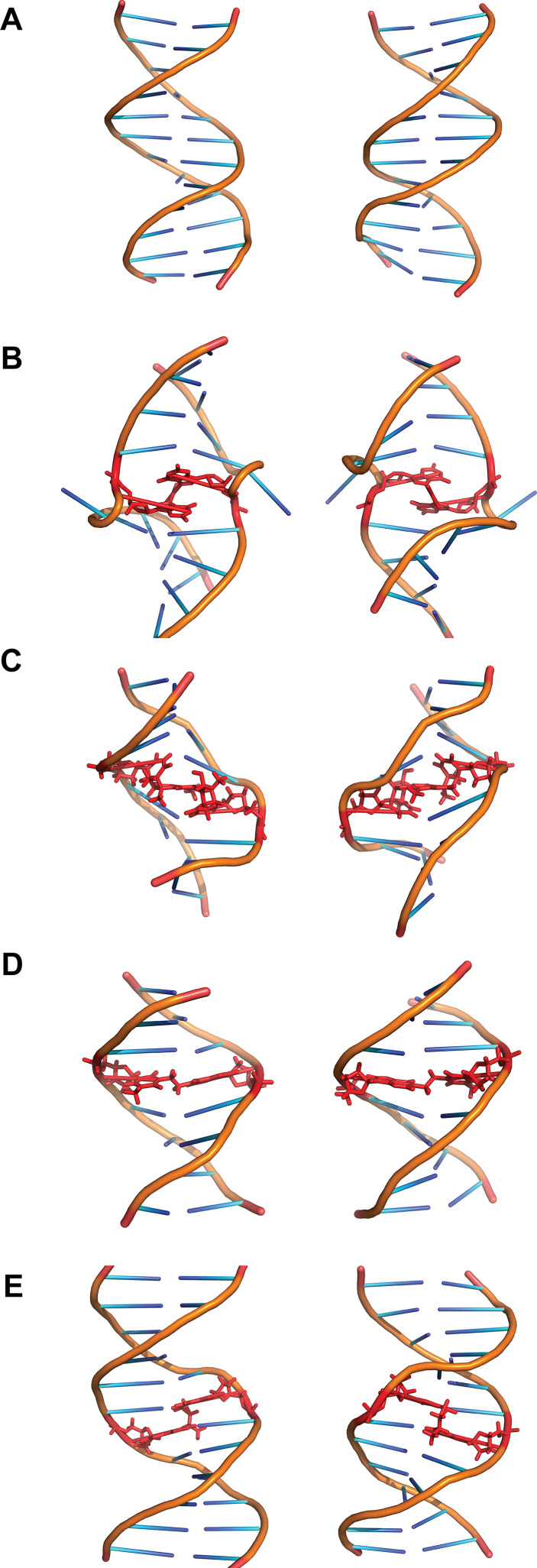
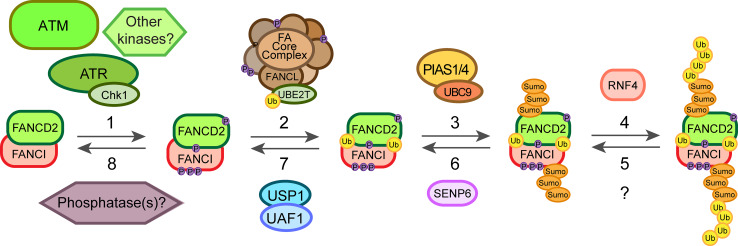
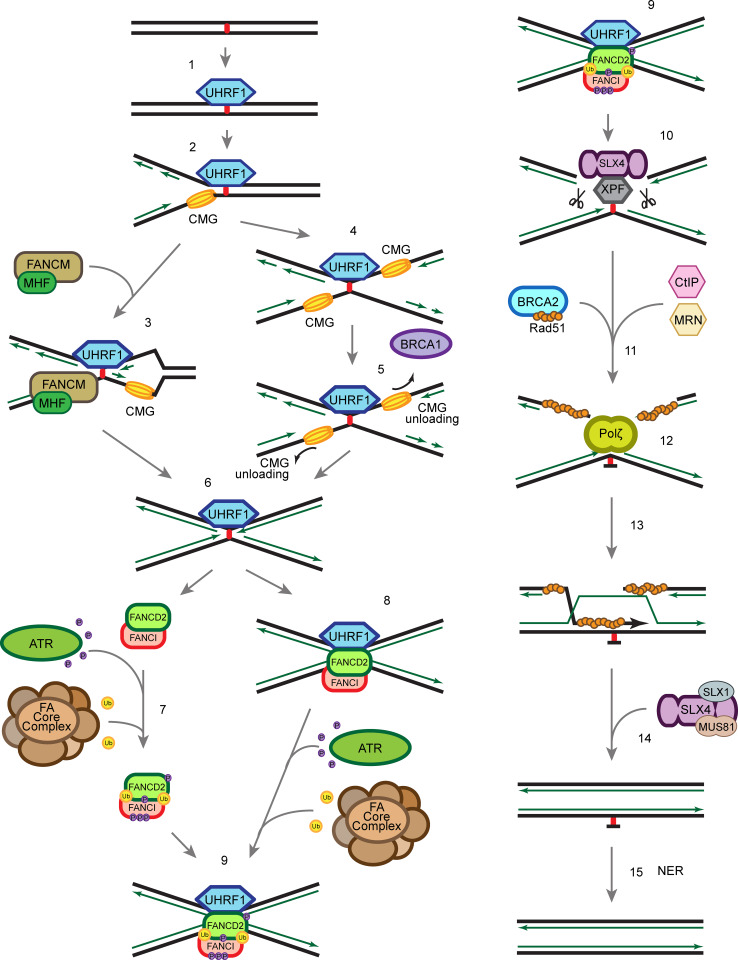
Interstrand crosslinks (ICLs) are a highly toxic form of DNA damage. ICLs can interfere with vital biological processes requiring separation of the two DNA strands, such as replication and transcription. If ICLs are left unrepaired, it can lead to mutations, chromosome breakage and mitotic catastrophe. The Fanconi anemia (FA) pathway can repair this type of DNA lesion, ensuring genomic stability. In this review, we will provide an overview of the cellular response to ICLs. First, we will discuss the origin of ICLs, comparing various endogenous and exogenous sources. Second, we will describe FA proteins as well as FA-related proteins involved in ICL repair, and the post-translational modifications that regulate these proteins. Finally, we will review the process of how ICLs are repaired by both replication-dependent and replication-independent mechanisms.
Keywords: DNA repair; FANCD2; FANCI; Genomic instability; Phosphorylation; SUMO; UHRF1; Ubiquitination.
Figures
References
Publication types
MeSH terms
Substances
Grants and funding
LinkOut - more resources
Full Text Sources
Other Literature Sources
Miscellaneous
