


Process evaluation of the Bristol girls dance project
- PMID: 27097646
- PMCID: PMC4839166
- DOI: 10.1186/s12889-016-3010-4
Process evaluation of the Bristol girls dance project
Abstract
Background: The Bristol Girls Dance Project was a cluster randomised controlled trial that aimed to increase objectively measured moderate-to-vigorous physical activity (MVPA) levels of Year 7 (age 11-12) girls through a dance-based after-school intervention. The intervention was delivered in nine schools and consisted of up to forty after-school dance sessions. This paper reports on the main findings from the detailed process evaluation that was conducted.
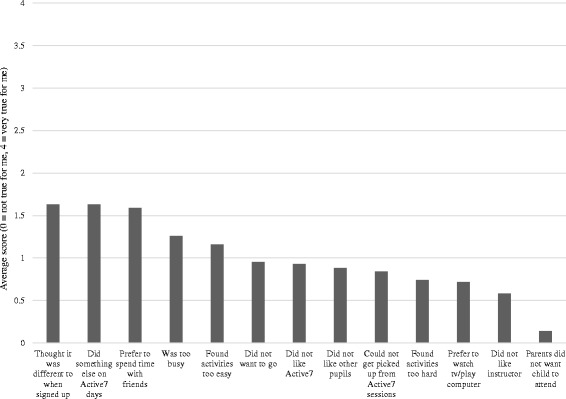
Methods: Quantitative and qualitative data were collected from intervention schools. Dose and fidelity were reported by dance instructors at every session. Intervention dose was defined as attending two thirds of sessions and was measured by attendance registers. Fidelity to the intervention manual was reported by dance instructors. On four randomly-selected occasions, participants reported their perceived level of exertion and enjoyment. Reasons for non-attendance were self-reported at the end of the intervention. Semi-structured interviews were conducted with all dance instructors who delivered the intervention (n = 10) and school contacts (n = 9) in intervention schools. A focus group was conducted with girls who participated in each intervention school (n = 9).
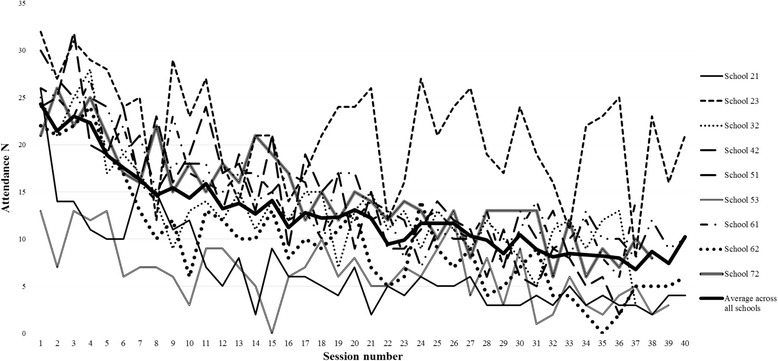
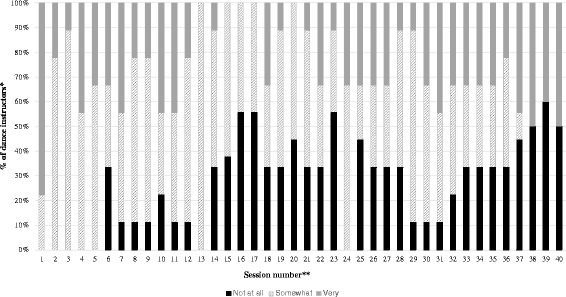
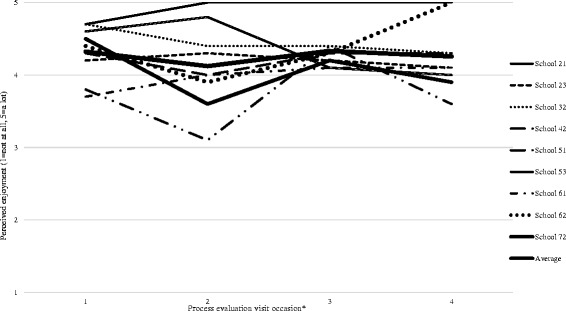
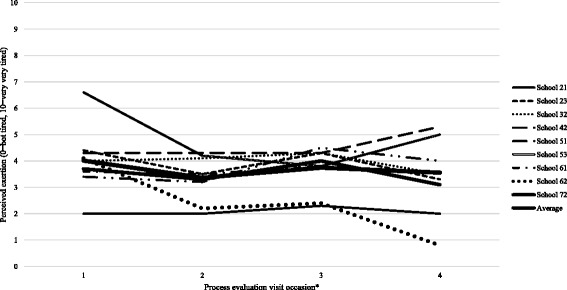
Results: The study did not affect girls' MVPA. An average of 31.7 girls participated in each school, with 9.1 per school receiving the intervention dose. Mean attendance and instructors' fidelity to the intervention manual decreased over time. The decline in attendance was largely attributed to extraneous factors common to after-school activities. Qualitative data suggest that the training and intervention manual were helpful to most instructors. Participant ratings of session enjoyment were high but perceived exertion was low, however, girls found parts of the intervention challenging.
Conclusions: The intervention was enjoyed by participants. Attendance at the intervention sessions was low but typical of after-school activities. Participants reported that the intervention brought about numerous health and social benefits and improved their dance-based knowledge and skills. The intervention could be improved by reducing the number of girls allowed to participate in each school and providing longer and more in-depth training to those delivering the intervention.
Trial registration: ISRCTN52882523 Registered 25th April 2013.
Keywords: Adolescent; Dance; Girls; Physical activity intervention; Process evaluation; Secondary school.
Figures
References
-
- Department of Health, Physical Activity, Health Improvement and Protection . Start Active, Stay Active: A report on physical activity from the four home countries’ Chief Medical Officers. 2011.
Publication types
MeSH terms
Associated data
Grants and funding
LinkOut - more resources
Full Text Sources
Other Literature Sources
Medical
Miscellaneous
