Review
. 2016 May 4;33(5):681-708.
doi: 10.1039/c6np00001k.

Chemical proteomics approaches for identifying the cellular targets of natural products

Affiliations
Review

Chemical proteomics approaches for identifying the cellular targets of natural products

M H Wright et al. Nat Prod Rep. .

Abstract

Covering: 2010 up to 2016Deconvoluting the mode of action of natural products and drugs remains one of the biggest challenges in chemistry and biology today. Chemical proteomics is a growing area of chemical biology that seeks to design small molecule probes to understand protein function. In the context of natural products, chemical proteomics can be used to identify the protein binding partners or targets of small molecules in live cells. Here, we highlight recent examples of chemical probes based on natural products and their application for target identification. The review focuses on probes that can be covalently linked to their target proteins (either via intrinsic chemical reactivity or via the introduction of photocrosslinkers), and can be applied "in situ" - in living systems rather than cell lysates. We also focus here on strategies that employ a click reaction, the copper-catalysed azide-alkyne cycloaddition reaction (CuAAC), to allow minimal functionalisation of natural product scaffolds with an alkyne or azide tag. We also discuss 'competitive mode' approaches that screen for natural products that compete with a well-characterised chemical probe for binding to a particular set of protein targets. Fuelled by advances in mass spectrometry instrumentation and bioinformatics, many modern strategies are now embracing quantitative proteomics to help define the true interacting partners of probes, and we highlight the opportunities this rapidly evolving technology provides in chemical proteomics. Finally, some of the limitations and challenges of chemical proteomics approaches are discussed.


Figures
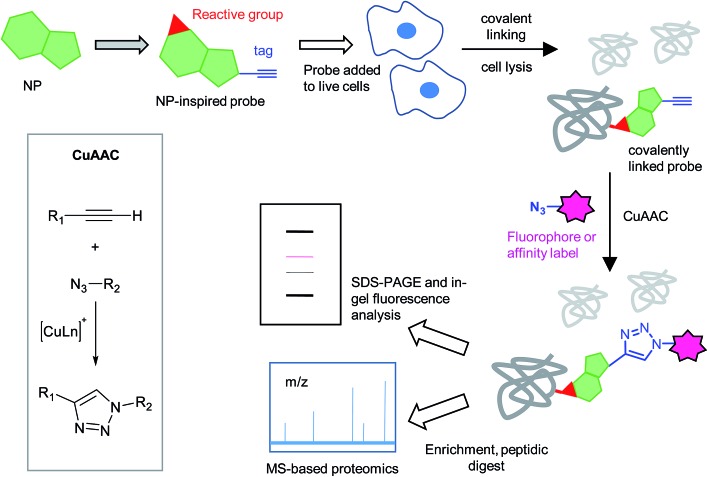
Fig. 1
Fig. 1. Compound-centric chemical proteomics approach for identifying the targets of natural products (NPs). The probe is designed based on the structure of the NP, is added to live cells and binds to its target protein. It reacts covalently (via an electrophilic trap or a photocrosslinking group) with the target protein. Cells are lysed and samples subject to copper-catalysed azide–alkyne cycloaddition (CuAAC) to attach a fluorophore or affinity label for downstream analysis.
Fig. 2
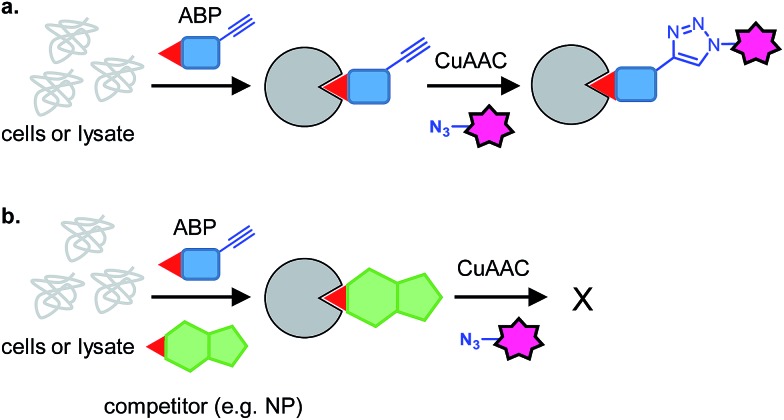
Fig. 2. Principle of competitive ABPP. (a) An activity-based probe (ABP) reacts with target proteins and can subsequently be detected by CuAAC. (b) In the presence of a competitor, which may react with the protein or may be non-covalent, the ABP cannot bind and a reduced signal is detected.
Fig. 3
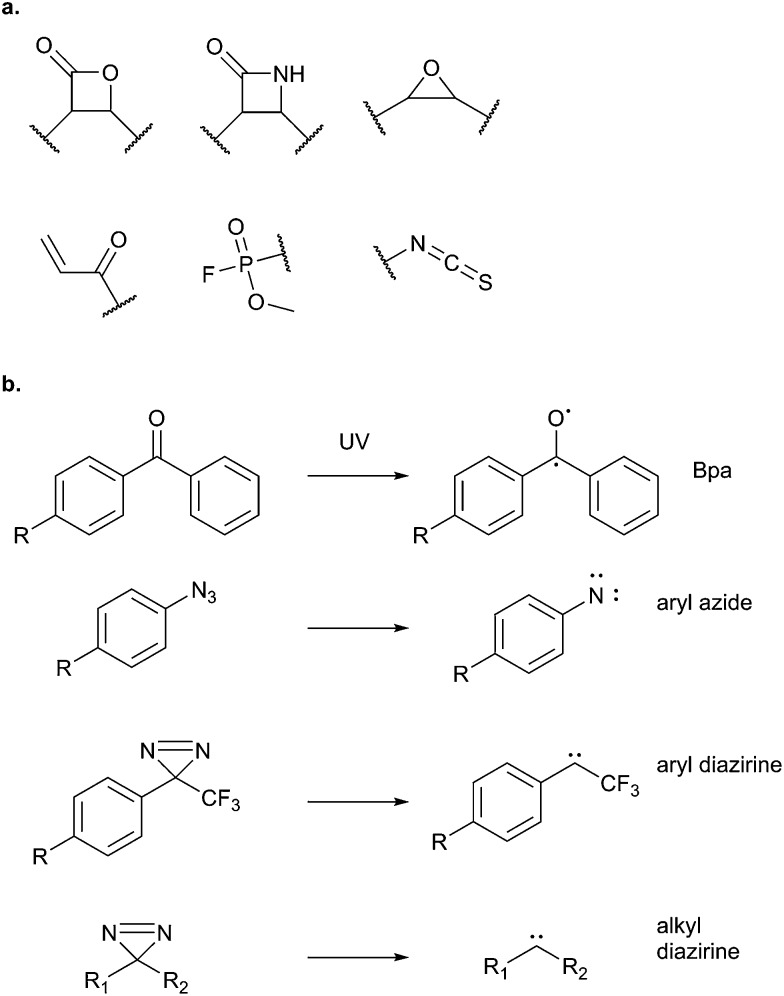
Fig. 3. (a) Common electrophilic traps that react with nucleophilic residues in proteins. (b) Commonly used photoreactive groups and their reaction under UV light.
Fig. 4
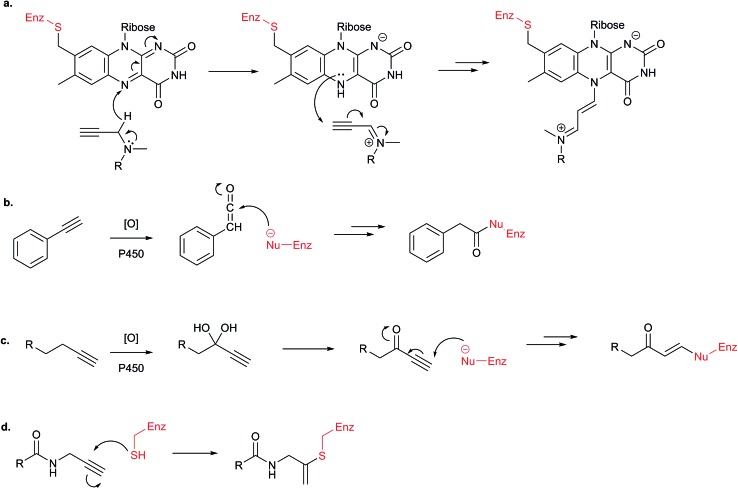
Fig. 4. Reactive alkynes. (a) Mechanism-based inhibition of FAD-dependent enzymes by propargyl amine moiety. (b) Activation and inhibition of cytochrome p450 enzyme by aryl alkynes or (c) alkyl alkynes., (d) Inhibition of proteases reported by Ekkebus et al.
Fig. 5
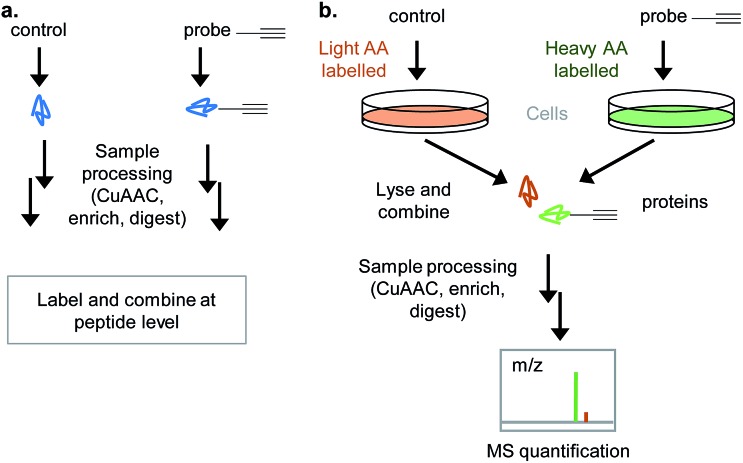
Fig. 5. Quantitative approaches for chemical proteomics experiments. (a) In many label-based approaches (iTRAQ, DiMe…), samples are processed separately, peptides are isotope labelled and then combined before mass spectrometry. (b) SILAC (stable isotope labelling of amino acids in culture): cells are cultured with medium containing heavy or light isotope labelled amino acids; cells are treated differently (e.g. probe or vehicle control/untreated), lysed and samples combined for all downstream analysis.
Fig. 6
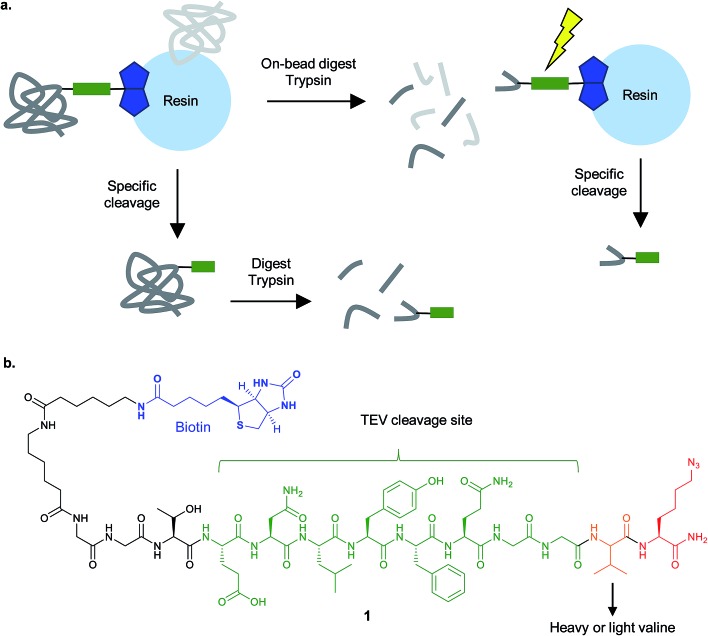
Fig. 6. Cleavable linkers for chemical proteomics. (a) Proteins enriched on resin e.g. by biotin–streptavidin, can be specifically released and then analysed by MS (bottom), or digested on bead and then the modified peptide selectively released (top). (b) The isotopically-encoded protease (TEV)-cleavable linker 1 for CuAAC and enrichment reported by Cravatt and co-workers.
Fig. 7
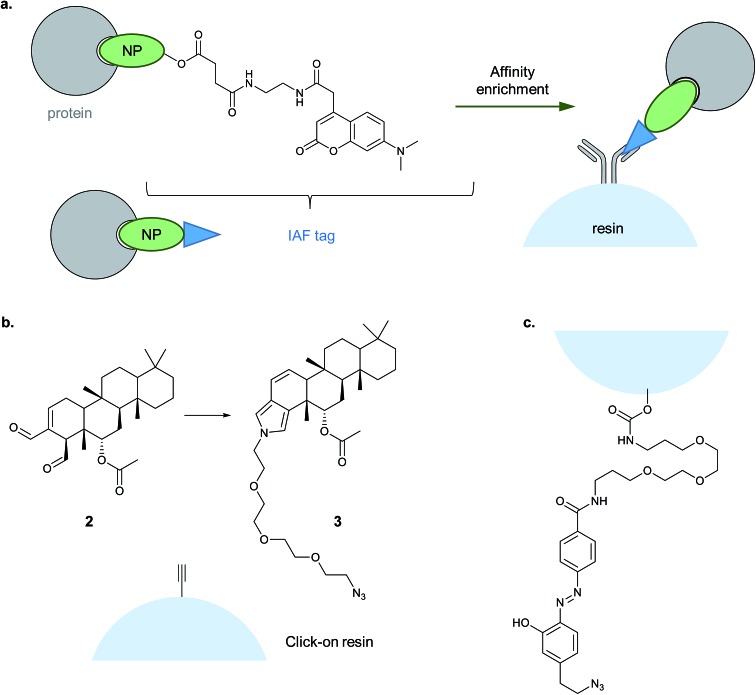
Fig. 7. Alternative enrichment methods to biotin–streptavidin. (a) IAF (immunoaffinity fluorescent tag) reported by La Clair et al. for antibody-based enrichment of probe-bound proteins. (b) Click-on-resin approach reported for the NP (natural product) scalaradial: scalaradial 2 is functionalised to generate probe 3, which can be attached in turn by CuAAC to an alkyne-functionalised resin. (c) On-resin cleavable linker reported by Sibbersen et al.
Fig. 8
Fig. 8. (a) Cytotoxic NP duocarmycin 11. (b) Seco-drug version of duocarmycin and activation mechanism. (c) Duocarmycin-inspired probe 12 reported by Wirth et al.
Fig. 9
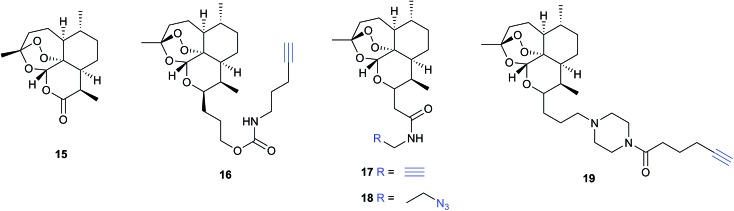
Fig. 9. Antimalarial natural product artemisinin (ART, 15) and reported probes 16–19.
Fig. 10
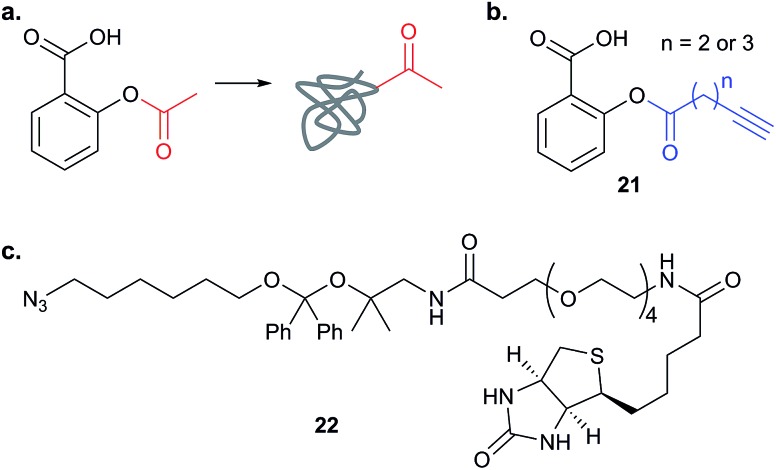
Fig. 10. (a) The NP aspirin alkylates proteins. (b) Structure of aspirin-based probes 21 that have been reported., (c) Cleavable linker 22 for the detection of aspirin probe-acylated peptide sites.
Fig. 11
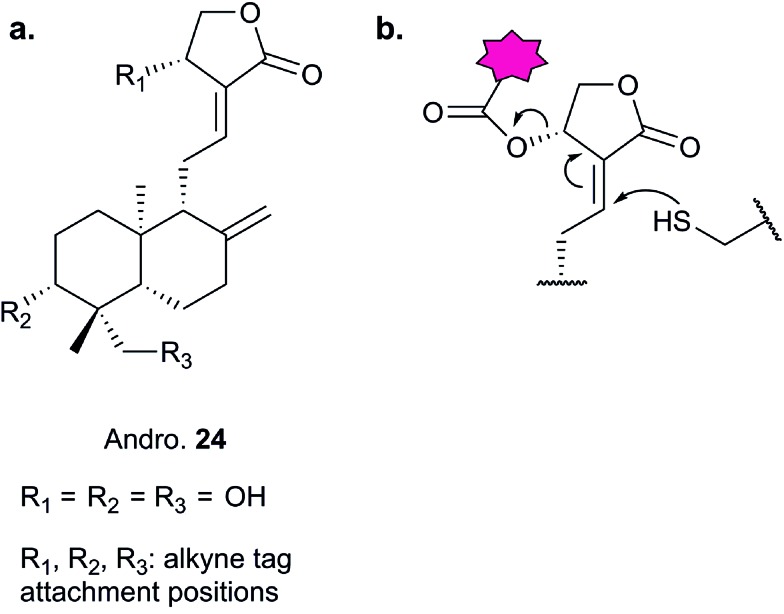
Fig. 11. (a) Andrographolide 24 and positions used to incorporate an alkyne in various reported probes (see also Table 2)., (b) Fluorogenic probe reported by Yao et al. reacts to release a fluorophore upon attack by a nucleophilic cysteine residue.
Fig. 12
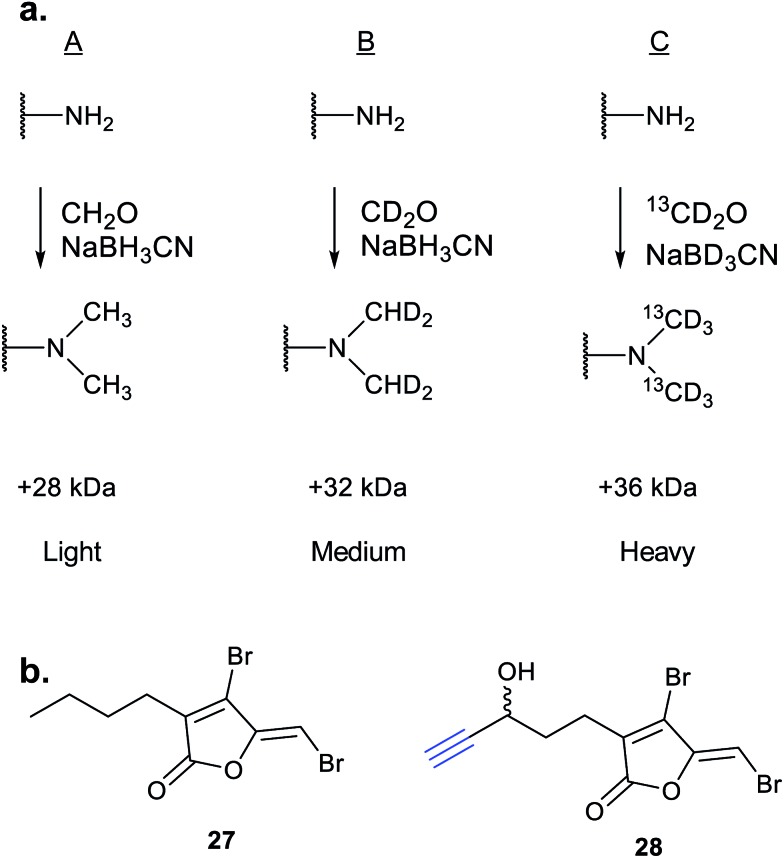
Fig. 12. (a) Dimethyl labelling (DiMe) on peptide amines for quantitative comparison of up to 3 samples. (b) Fimbrolide 27 and corresponding probe 28.
Fig. 13
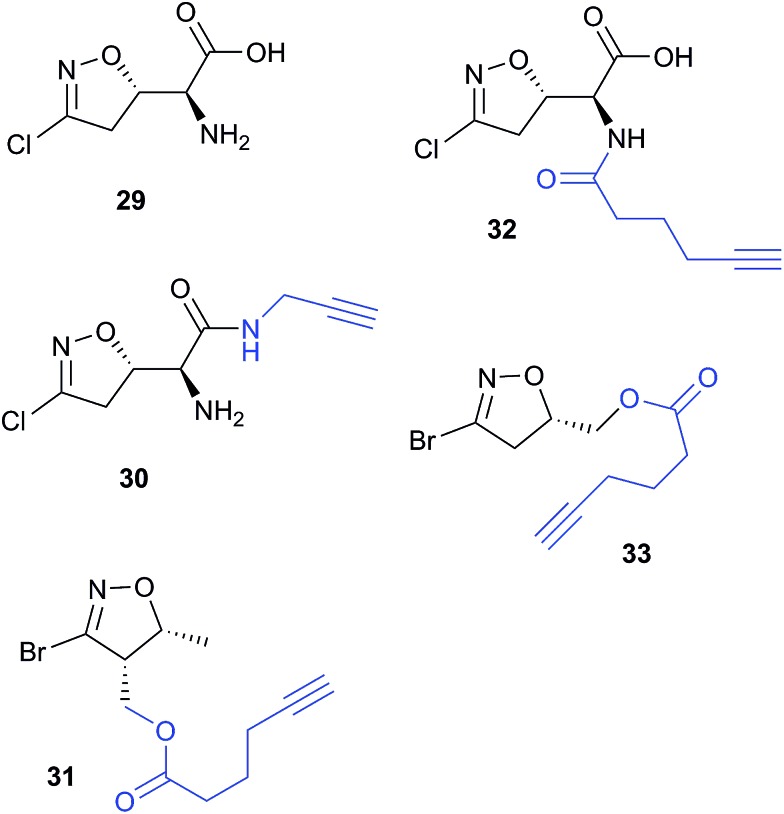
Fig. 13. Acivicin 29 and probes 30–33.
Fig. 14
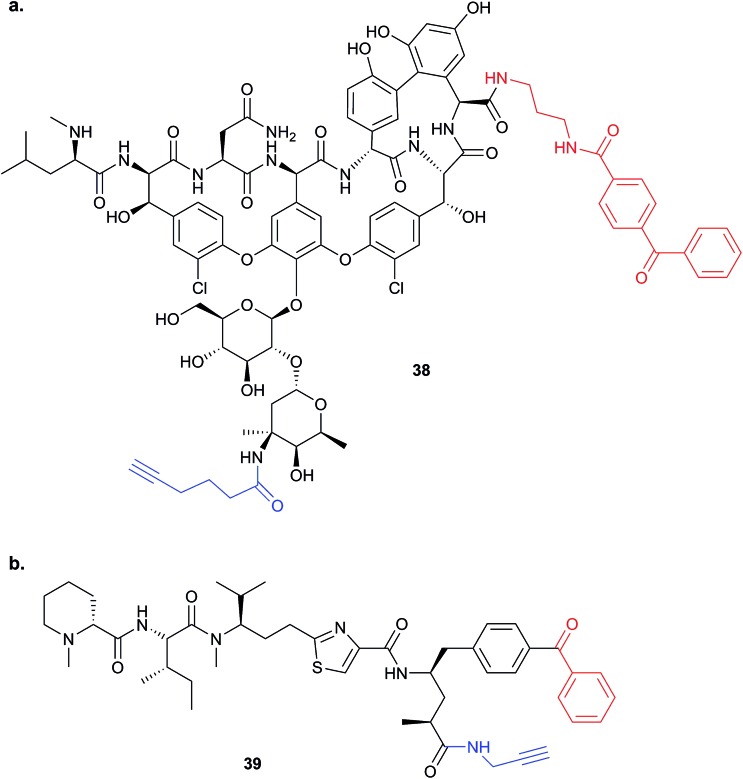
Fig. 14. Benzophenone (Bpa)-containing photoprobes. (a) Probe 38 based on vancomycin. (b) Probe 39 based on pretubulysin.
Fig. 15
Fig. 15. Diazirine-based photoprobes. (a) Probe 41 based on a fungal depsipeptide NP 40. (b) Amino acid analogues photo-Leu 42, photo-Met 43 and photo-Pro 44 incorporating diazirines. PG = protecting group. (c) Peptidomimetic probe 45. (d) Staurosporine photoprobe 46.
Fig. 16
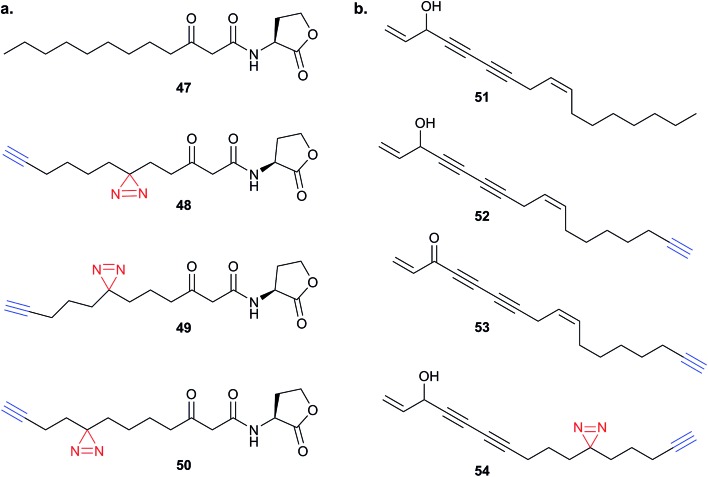
Fig. 16. (a) Acyl homoserine lactone 47 and reported probes 48–50. (b) Falcarinol 51 and inspired probes 52–54.
Fig. 17
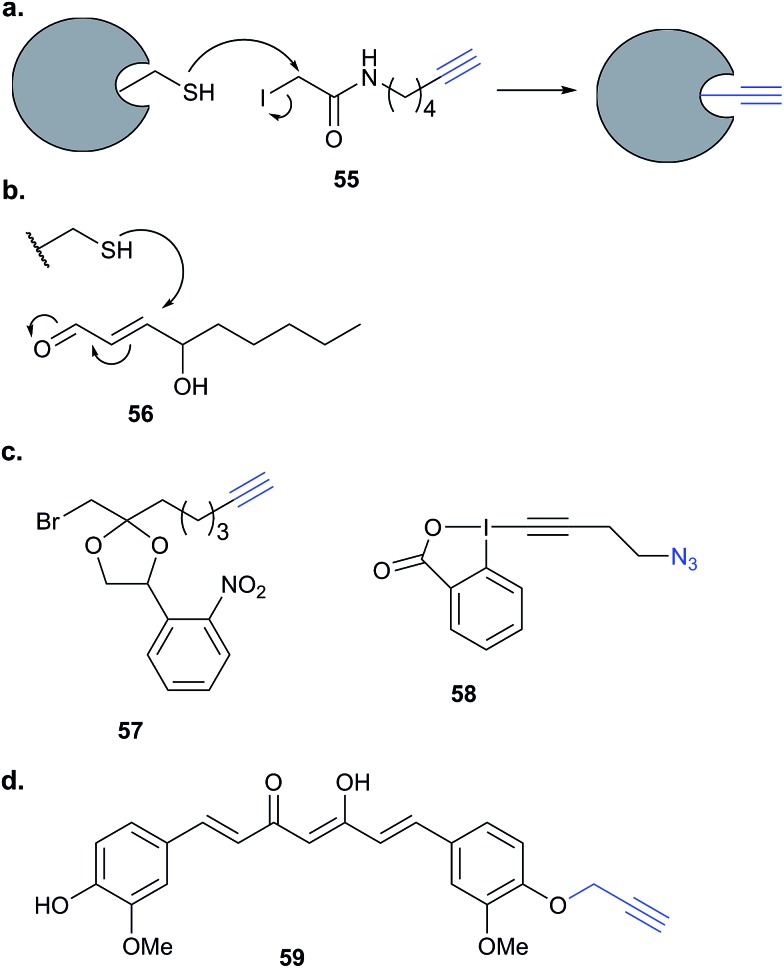
Fig. 17. (a) Reaction of iodoacetamide alkyne probes 55 with nucleophilic cysteine residues in proteins. (b) Reaction of 4-hydroxy-2-nonenal (HNE, 56) with cysteine. (c) Caged bromomethyl ketone electrophilic probe 57 (ref. 109) and alkynyl benziodoxolone reagent EBX, 58, for labelling cysteines. (d) Curcumin-alkyne probe 59 for compound-centric target identification.
Fig. 18
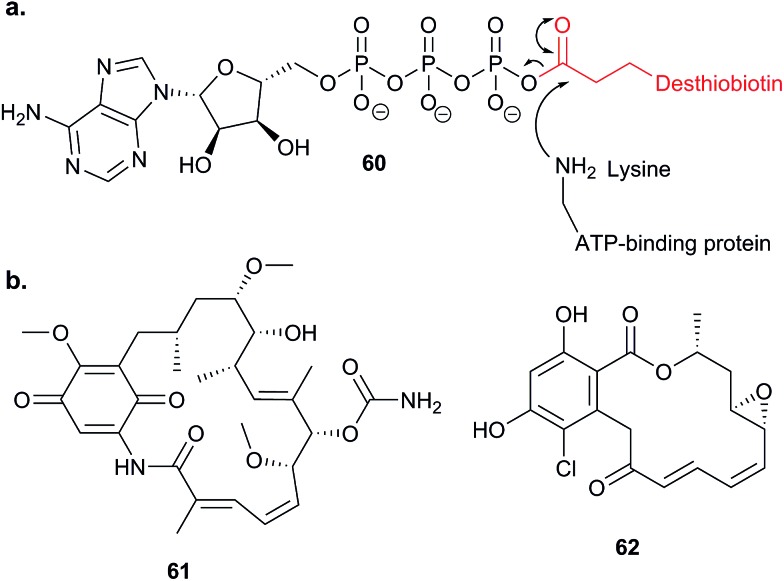
Fig. 18. (a) Reaction of lysine in active site of ATP-binding protein with ATP analogue probe 60. (b) NPs geldanamycin 61 and radicicol 62.
Fig. 19
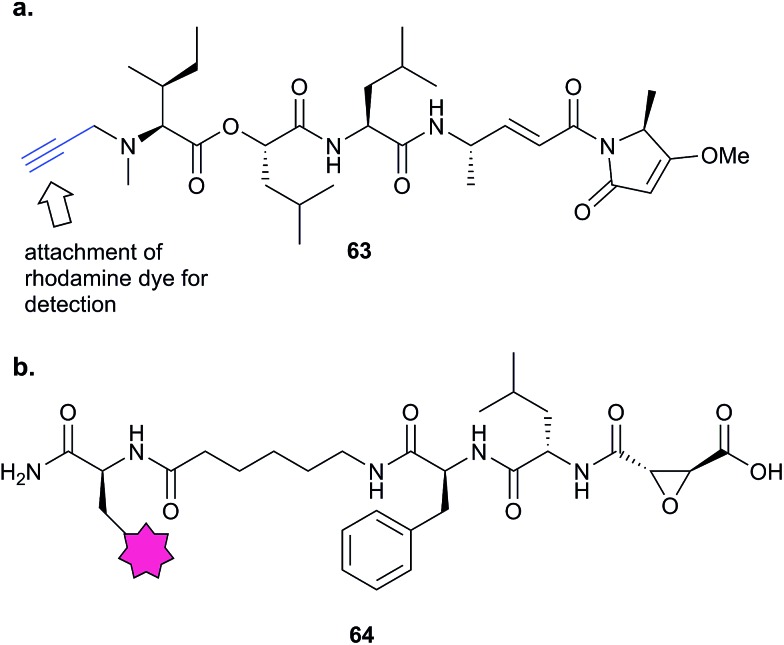
Fig. 19. (a) Symplostatin 4 precursor probe 63. (b) E64-inspired protease probe 64.
Fig. 20
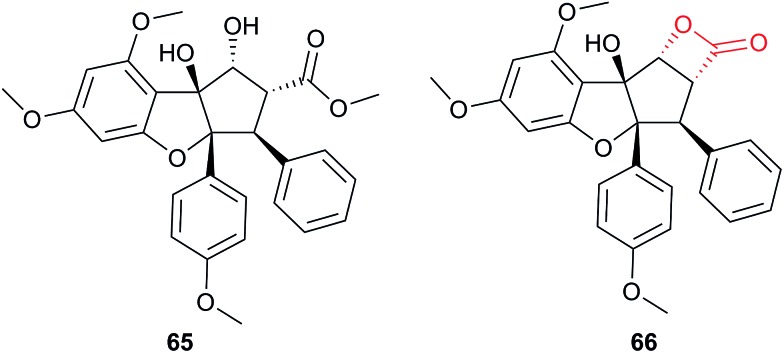
Fig. 20. NP rocaglate 65 and β-lactone-functionalised derivative 66.
Fig. 21
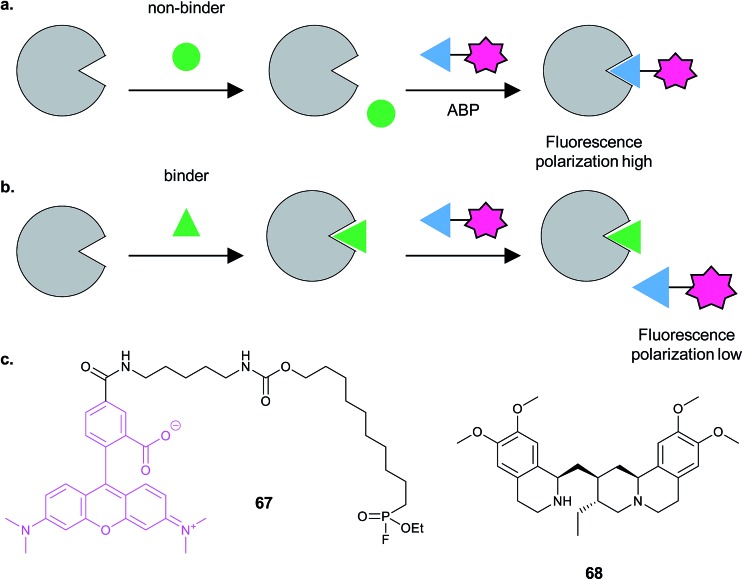
Fig. 21. FluoPOL ABPP screening. (a) If a compound does not bind the protein in the assay, the activity-based probe (ABP) can bind, resulting in highly fluorescently polarised light because the fluorophore tumbles slowly. (b) In contrast, if a compound binds, the ABP does not and tumbles rapidly in solution, resulting in low fluorescence polarisation. Figure adapted from Bachovchin et al. (c) Fluorophosphonate probe 67 and NP hit emetine 68.
None
M. H. Wright
None
S. A. S. Sieber

References

    1. Böttcher T., Pitscheider M., Sieber S. A. Angew. Chem., Int. Ed. Engl. 2010;49:2680–2698. - PubMed
    1. La Clair J. J. Nat. Prod. Rep. 2010;27:969–995. - PubMed
    1. Ziegler S., Pries V., Hedberg C., Waldmann H. Angew. Chem., Int. Ed. Engl. 2013;52:2744–2792. - PubMed
    1. Yang P., Liu K. ChemBioChem. 2015;16:712–724. - PubMed
    1. Gersch M., Kreuzer J., Sieber S. A. Nat. Prod. Rep. 2012;29:659–682. - PubMed

Publication types