


Recent Advances in Subunit Vaccine Carriers
- PMID: 27104575
- PMCID: PMC4931629
- DOI: 10.3390/vaccines4020012
Recent Advances in Subunit Vaccine Carriers
Abstract
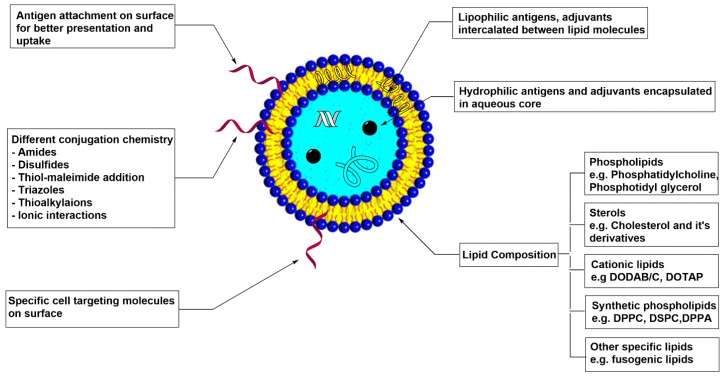
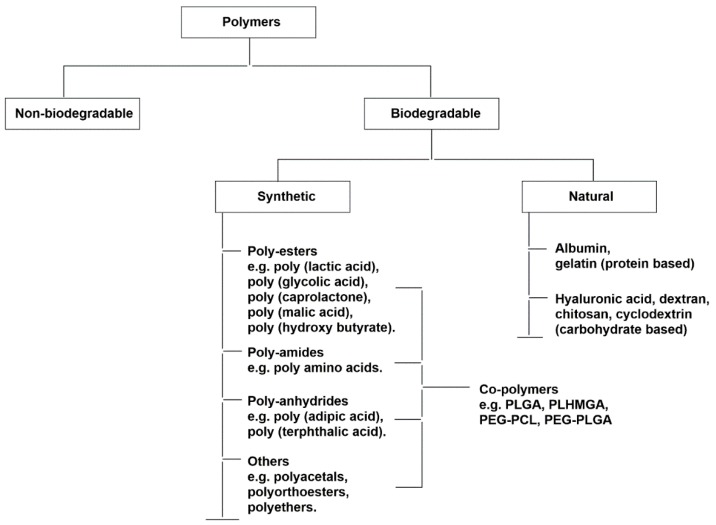
The lower immunogenicity of synthetic subunit antigens, compared to live attenuated vaccines, is being addressed with improved vaccine carriers. Recent reports indicate that the physio-chemical properties of these carriers can be altered to achieve optimal antigen presentation, endosomal escape, particle bio-distribution, and cellular trafficking. The carriers can be modified with various antigens and ligands for dendritic cells targeting. They can also be modified with adjuvants, either covalently or entrapped in the matrix, to improve cellular and humoral immune responses against the antigen. As a result, these multi-functional carrier systems are being explored for use in active immunotherapy against cancer and infectious diseases. Advancing technology, improved analytical methods, and use of computational methodology have also contributed to the development of subunit vaccine carriers. This review details recent breakthroughs in the design of nano-particulate vaccine carriers, including liposomes, polymeric nanoparticles, and inorganic nanoparticles.
Keywords: liposomes; nanoparticles; polymeric nanoparticles; vaccines.
Figures
References
-
- Tam P.H., Lowary T.L. Carbohydrate Chemistry: Chemical and Biological Approaches. Royal Society of Chemistry; London, UK: 2010. Mycobacterial lipoarabinomannan fragments as haptens for potential anti-tuberculosis vaccines; pp. 38–63.
Publication types
Grants and funding
LinkOut - more resources
Full Text Sources
Other Literature Sources
Medical
Research Materials
