


Herpes Simplex Virus-1 Encephalitis in Adults: Pathophysiology, Diagnosis, and Management
- PMID: 27106239
- PMCID: PMC4965403
- DOI: 10.1007/s13311-016-0433-7
Herpes Simplex Virus-1 Encephalitis in Adults: Pathophysiology, Diagnosis, and Management
Abstract
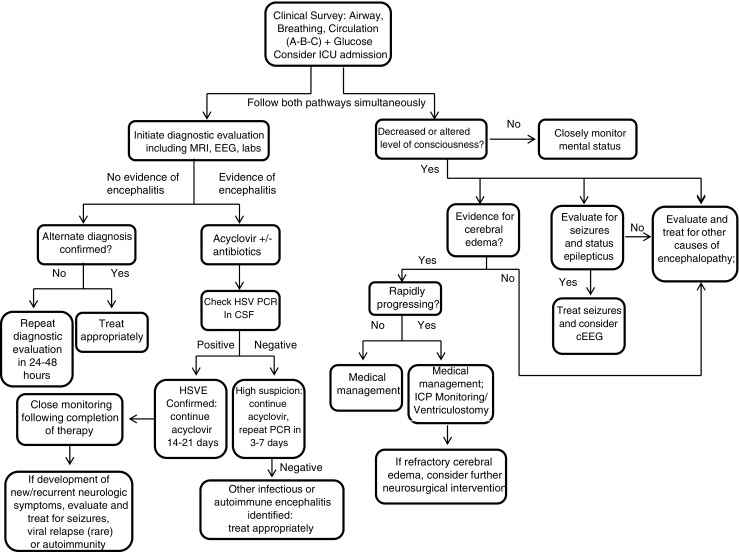
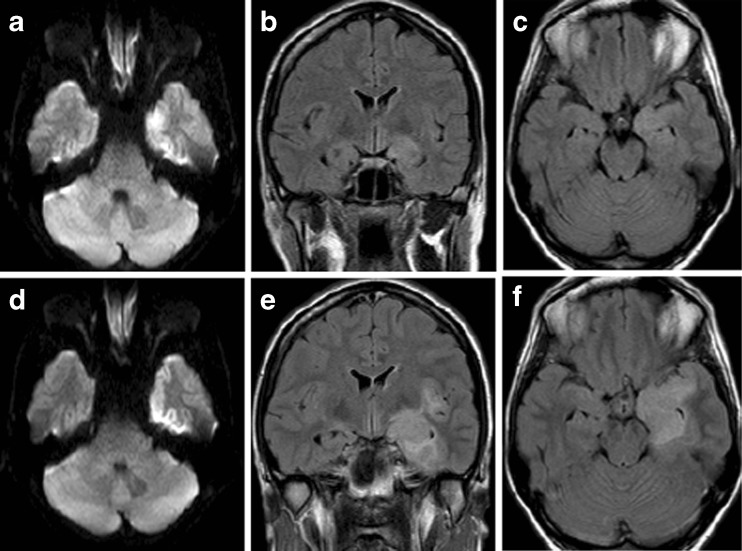
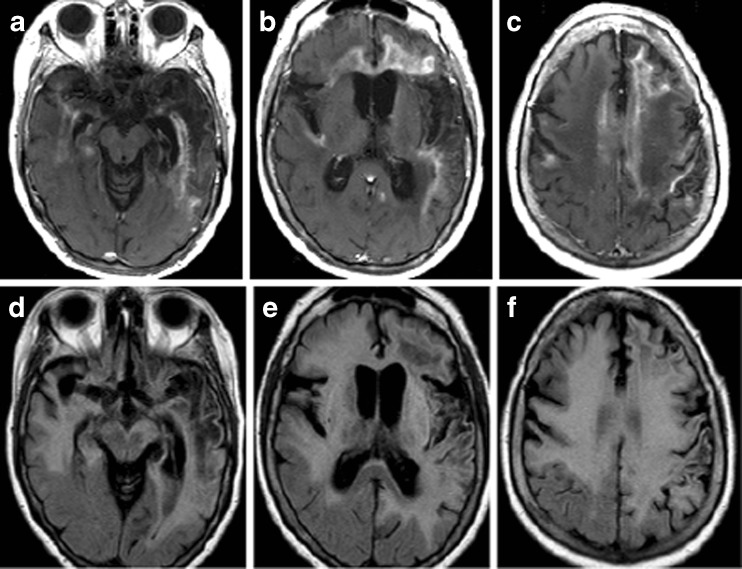
Herpetic infections have plagued humanity for thousands of years, but only recently have advances in antiviral medications and supportive treatments equipped physicians to combat the most severe manifestations of disease. Prompt recognition and treatment can be life-saving in the care of patients with herpes simplex-1 virus encephalitis, the most commonly identified cause of sporadic encephalitis worldwide. Clinicians should be able to recognize the clinical signs and symptoms of the infection and familiarize themselves with a rational diagnostic approach and therapeutic modalities, as early recognition and treatment are key to improving outcomes. Clinicians should also be vigilant for the development of acute complications, including cerebral edema and status epilepticus, as well as chronic complications, including the development of autoimmune encephalitis associated with antibodies to the N-methyl-D-aspartate receptor and other neuronal cell surface and synaptic epitopes. Herein, we review the pathophysiology, differential diagnosis, and clinical and radiological features of herpes simplex virus-1 encephalitis in adults, including a discussion of the most common complications and their treatment. While great progress has been made in the treatment of this life-threatening infection, a majority of patients will not return to their previous neurologic baseline, indicating the need for further research efforts aimed at improving the long-term sequelae.
Keywords: HSV; NMDA receptor; aciclovir; encephalitis; meningitis; steroids.
Figures
References
-
- Venkatesan A. Epidemiology and outcomes of acute encephalitis. Curr Opin Neurol 2015;28:277-282. - PubMed
-
- Goodpasture EW. Herpetic infection, with especial reference to involvement of the nervous system. 1929. Medicine 1993;72:125-132. - PubMed
-
- Commission M. Epidemic encephalitis: etiology, epidemiology, treatment. Report of a survey by the Mathewson Commission. New York: Columbia university Press; 1929.
Publication types
MeSH terms
Substances
LinkOut - more resources
Full Text Sources
Other Literature Sources
