


Effect of a School-Based Intervention on Nutritional Knowledge and Habits of Low-Socioeconomic School Children in Israel: A Cluster-Randomized Controlled Trial
- PMID: 27110817
- PMCID: PMC4848702
- DOI: 10.3390/nu8040234
Effect of a School-Based Intervention on Nutritional Knowledge and Habits of Low-Socioeconomic School Children in Israel: A Cluster-Randomized Controlled Trial
Abstract
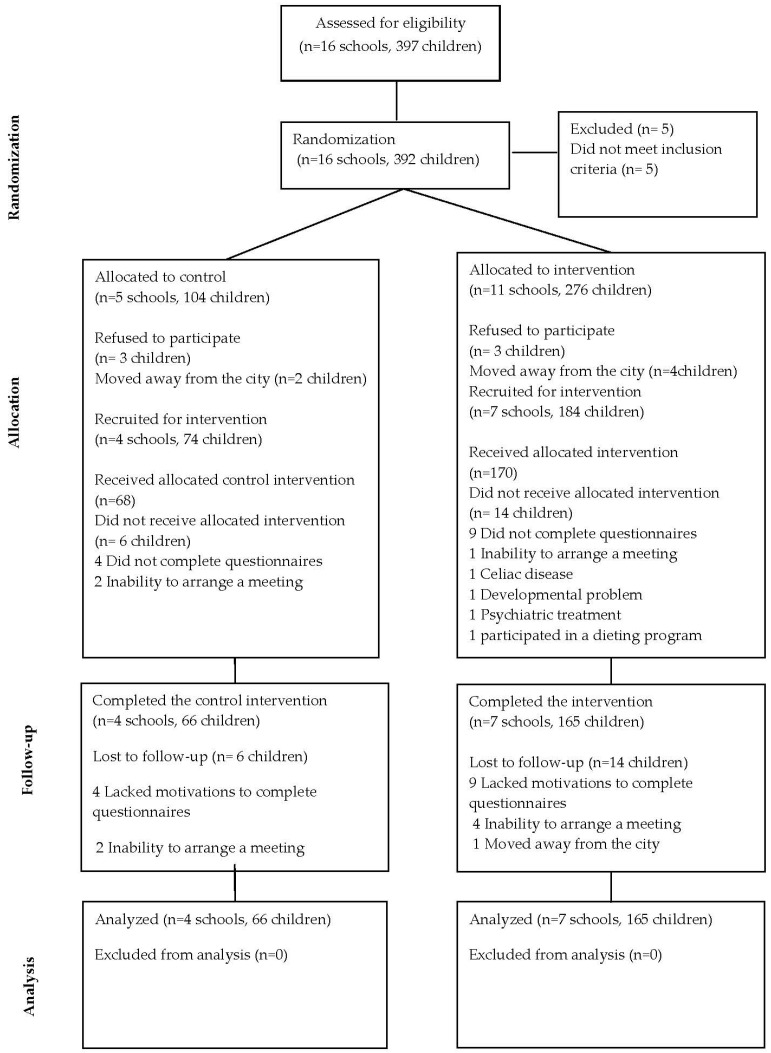
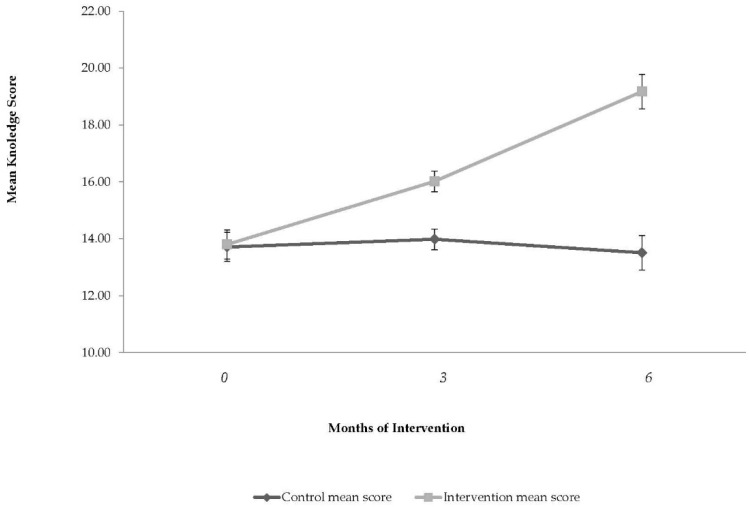
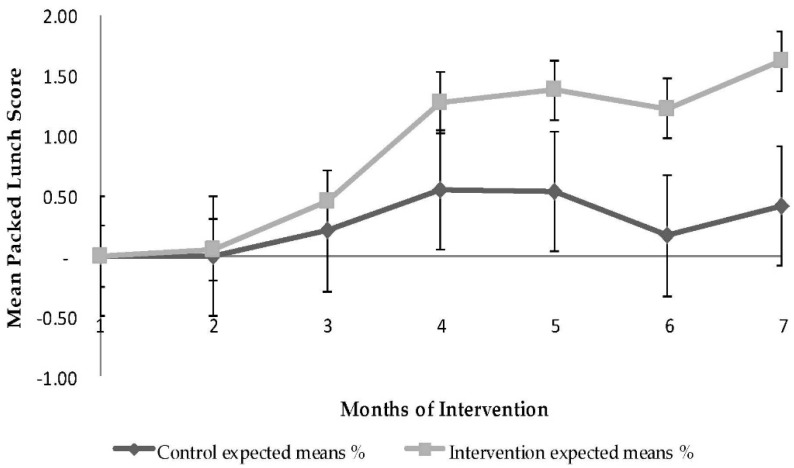
Early social and economic deprivation, associated with poor nutrition and physical inactivity, may lead to adverse health trajectories. A cluster-randomized controlled-trial examining the effect of a school-based comprehensive intervention on nutrition knowledge, eating habits, and behaviors among low socioeconomic status (LSES) school-aged children was performed. LSES school-aged children (4-7 years) and their mothers were recruited from 11 schools, located in one town. The intervention was implemented on three levels: children, mothers, and teachers. The intervention (IArm) included nutrition classes for children, mothers, and teachers and physical activity (PA) classes for children; the control (CArm) received PA only. Interventions were conducted by professional personnel, who were trained during in a two-day session to deliver the specific program in schools. Family data were obtained by parental interviews. Food knowledge observations, packed lunch records, and anthropometric measurements were obtained in school at baseline, six months, and at the end of the school year. Of 258 children enrolled, 220 (87.6%) completed the six-month program. Only children in the IArm improved their nutrition knowledge and eating-habits and increased food variety and fruit and vegetable consumption, quality score of packed lunches (p < 0.001 for all), habitual water drinking increased (p = 0.02), and decreased sweet-drink consumption (p = 0.05). A school-based comprehensive nutrition intervention targeting LSES population improved eating habits, nutritional knowledge, and healthier packed lunches.
Keywords: childhood obesity; health promotion; low socioeconomic; nutrition; pediatric nutrition; preschool children; school-based intervention.
Figures
References
-
- Johnson L., Mander A.P., Jones L.R., Emmett P.M., Jebb S.A. Energy-dense, low-fiber, high-fat dietary pattern is associated with increased fatness in childhood. Am. J. Clin. Nutr. 2008;87:846–854. - PubMed
Publication types
MeSH terms
LinkOut - more resources
Full Text Sources
Other Literature Sources
Medical
