


Adaptive homeostasis
- PMID: 27112802
- PMCID: PMC4868097
- DOI: 10.1016/j.mam.2016.04.007
Adaptive homeostasis
Abstract
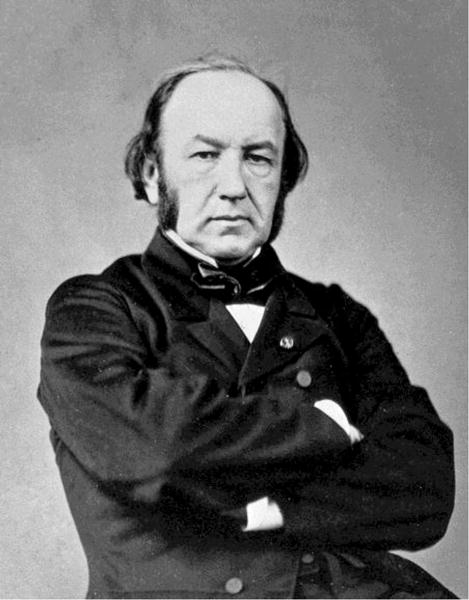
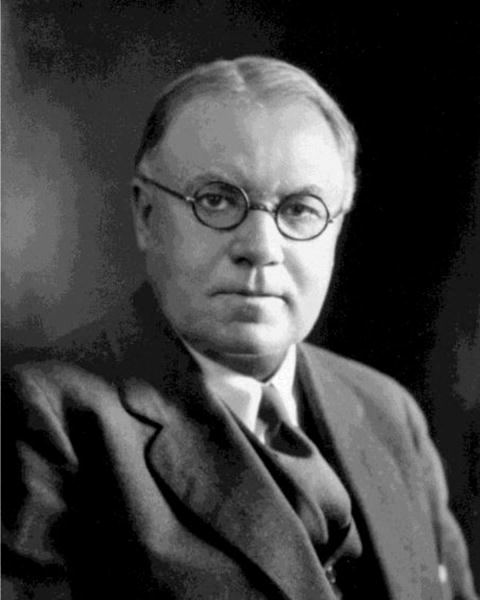
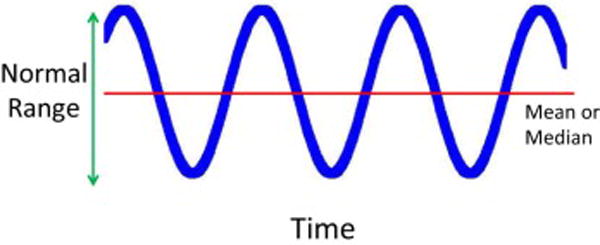
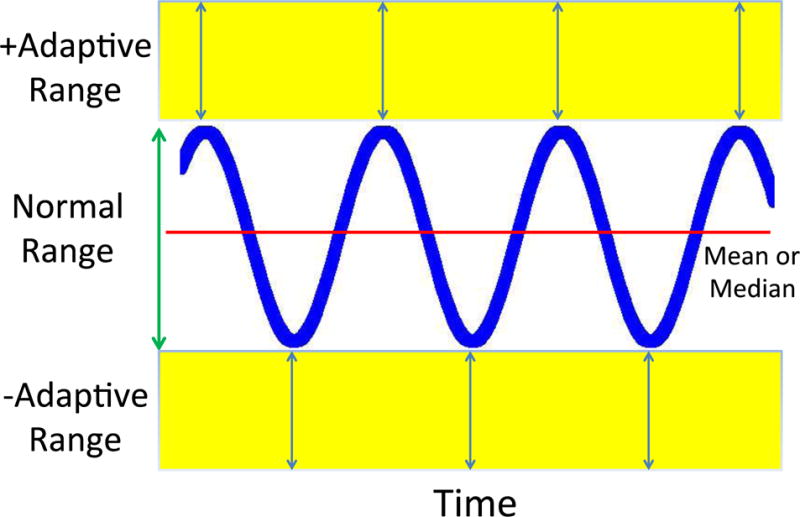
Homeostasis is a central pillar of modern Physiology. The term homeostasis was invented by Walter Bradford Cannon in an attempt to extend and codify the principle of 'milieu intérieur,' or a constant interior bodily environment, that had previously been postulated by Claude Bernard. Clearly, 'milieu intérieur' and homeostasis have served us well for over a century. Nevertheless, research on signal transduction systems that regulate gene expression, or that cause biochemical alterations to existing enzymes, in response to external and internal stimuli, makes it clear that biological systems are continuously making short-term adaptations both to set-points, and to the range of 'normal' capacity. These transient adaptations typically occur in response to relatively mild changes in conditions, to programs of exercise training, or to sub-toxic, non-damaging levels of chemical agents; thus, the terms hormesis, heterostasis, and allostasis are not accurate descriptors. Therefore, an operational adjustment to our understanding of homeostasis suggests that the modified term, Adaptive Homeostasis, may be useful especially in studies of stress, toxicology, disease, and aging. Adaptive Homeostasis may be defined as follows: 'The transient expansion or contraction of the homeostatic range in response to exposure to sub-toxic, non-damaging, signaling molecules or events, or the removal or cessation of such molecules or events.'
Keywords: Adaptation; Aging; Homeostasis; Hormesis; Nrf2; Oxidative Stress.
Copyright © 2016 The Author. Published by Elsevier Ltd.. All rights reserved.
Figures
References
-
- Bernard Claude. An Introduction to the Study of Experimental Medicine. 1865. originally published in 1865; first English translation by Henry Copley Greene, published by Macmillan & Co., Ltd. 1927; Dover edition, 1957.
-
- Cannon WB. Physiological regulation of normal states: some tentative postulates concerning biological homeostatics. In: Pettit A, editor. A Charles Richet: ses amis, ses collègues, ses élèves (in French) Paris: Les Éditions Médicales; 1926. p. 91.
-
- Cannon WB. The Wisdom of the Body. New York: W. W. Norton & Company; 1932. pp. 177–201.
-
- Schafer AI. The Vanishing Physician-scientist. Cornell University Press; 2009. p. 29.
-
- Bernard C. In: Lectures on the phenomena common to animals and plants. Trans Hoff HE, Guillemin R, Guillemin L, editors. Springfield (IL): Charles C Thomas; 1974.
Publication types
MeSH terms
Grants and funding
LinkOut - more resources
Full Text Sources
Other Literature Sources
