


Interaction of HIF1α and β-catenin inhibits matrix metalloproteinase 13 expression and prevents cartilage damage in mice
- PMID: 27122313
- PMCID: PMC4868441
- DOI: 10.1073/pnas.1514854113
Interaction of HIF1α and β-catenin inhibits matrix metalloproteinase 13 expression and prevents cartilage damage in mice
Abstract
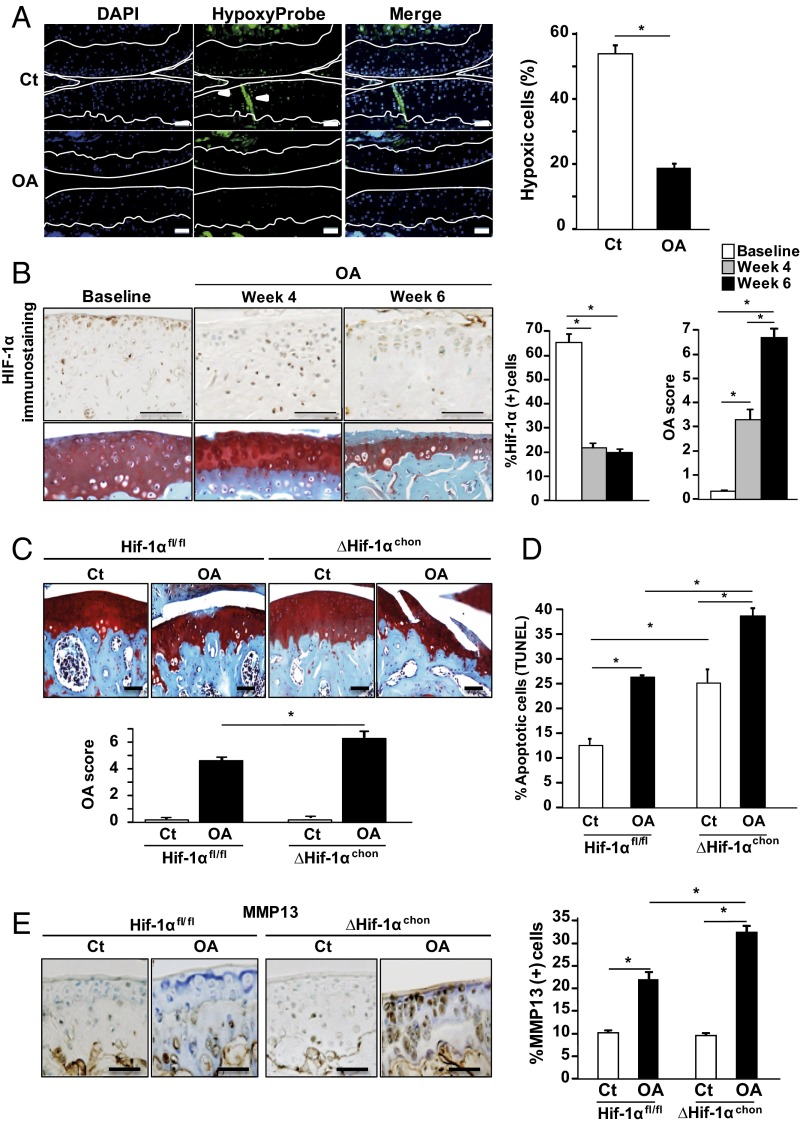
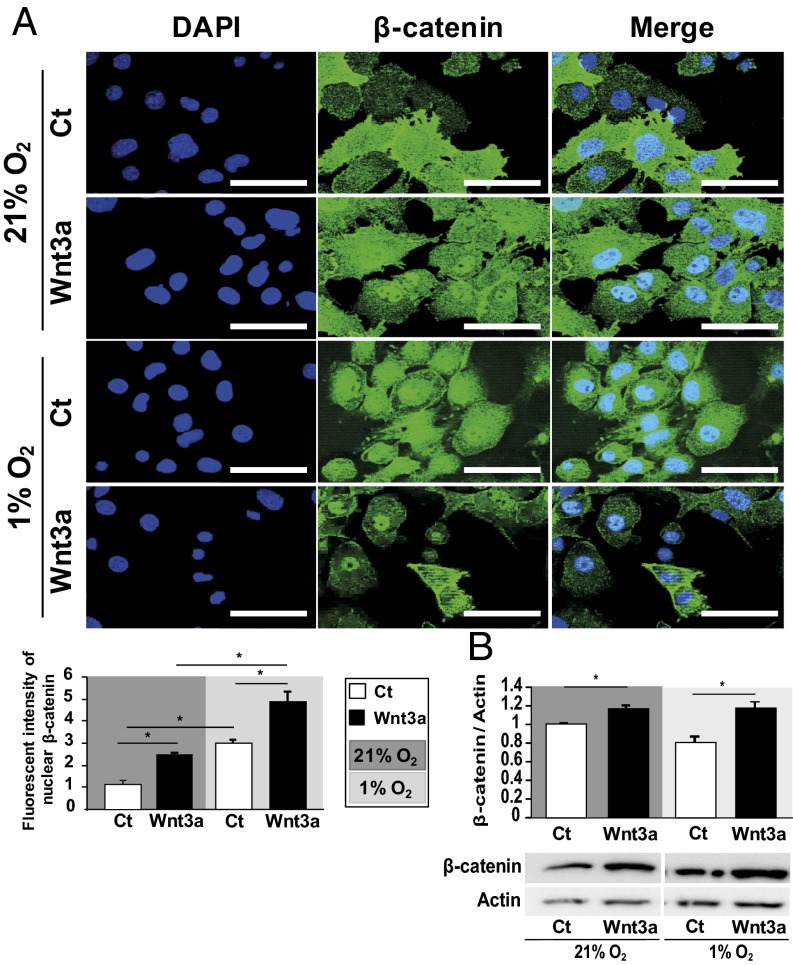
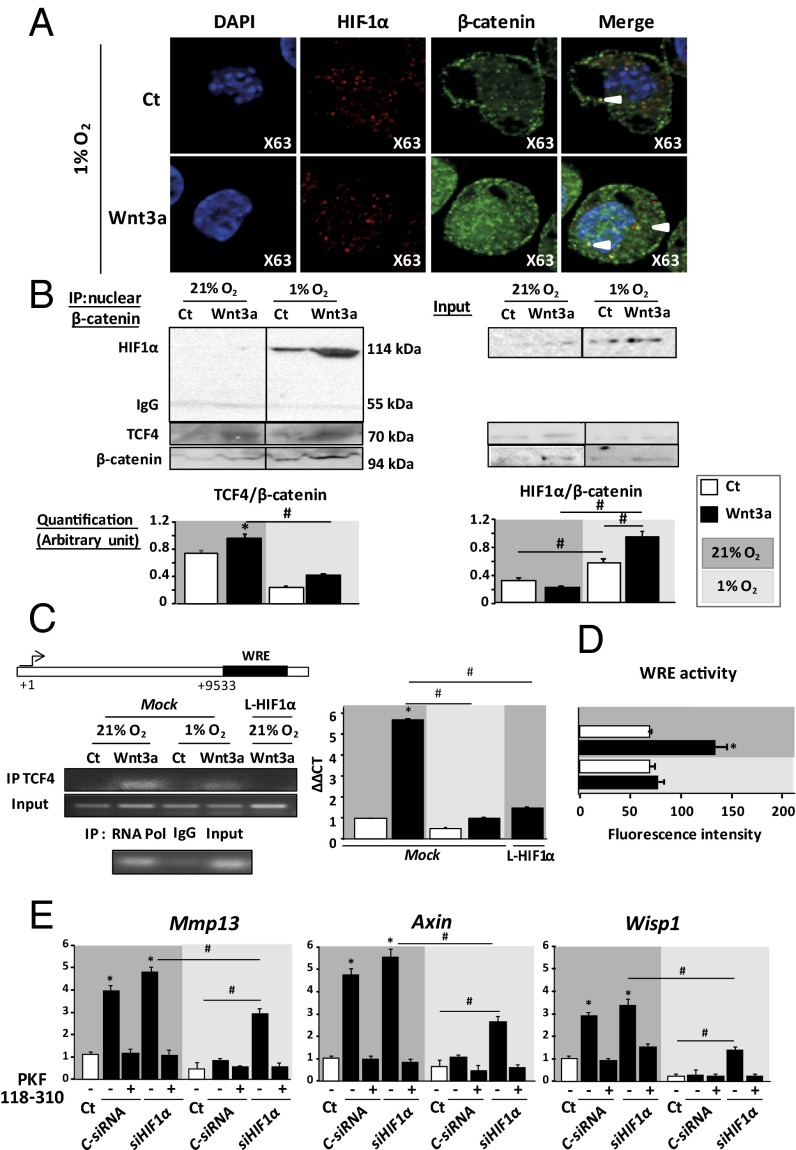
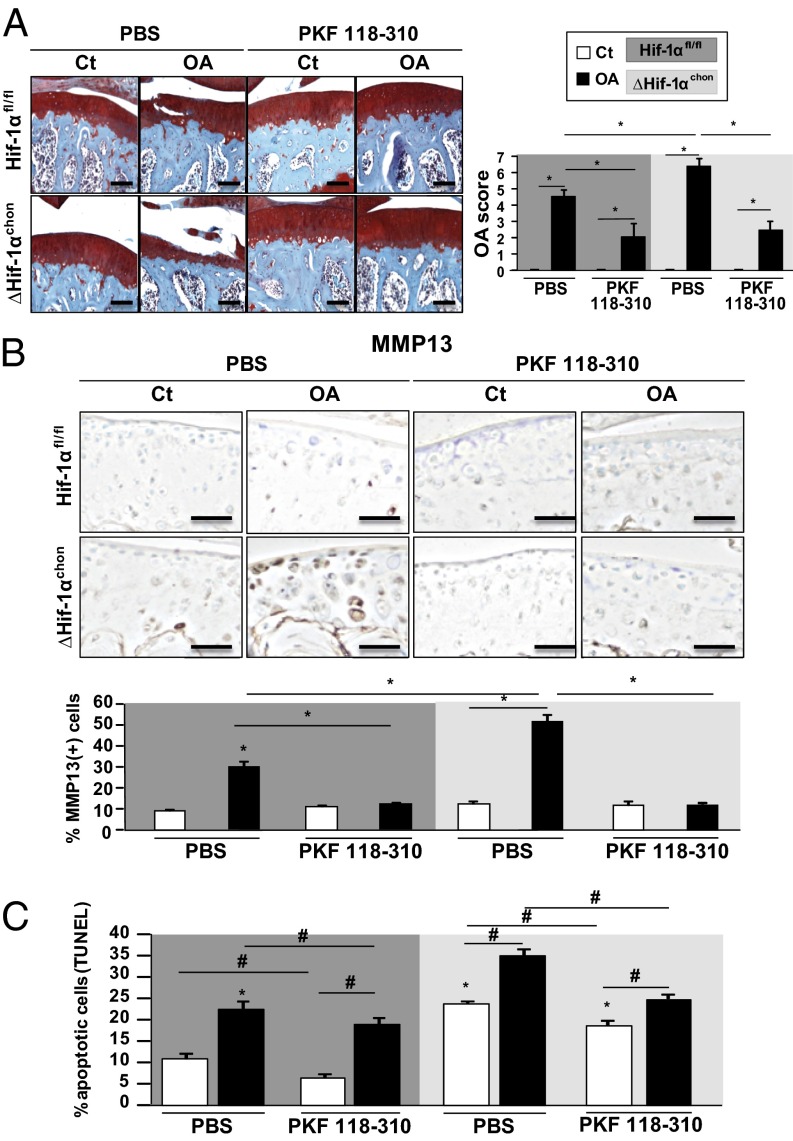
Low oxygen tension (hypoxia) regulates chondrocyte differentiation and metabolism. Hypoxia-inducible factor 1α (HIF1α) is a crucial hypoxic factor for chondrocyte growth and survival during development. The major metalloproteinase matrix metalloproteinase 13 (MMP13) is also associated with chondrocyte hypertrophy in adult articular cartilage, the lack of which protects from cartilage degradation and osteoarthritis (OA) in mice. MMP13 is up-regulated by the Wnt/β-catenin signaling, a pathway involved in chondrocyte catabolism and OA. We studied the role of HIF1α in regulating Wnt signaling in cartilage and OA. We used mice with conditional knockout of Hif1α (∆Hif1α(chon)) with joint instability. Specific loss of HIF1α exacerbated MMP13 expression and cartilage destruction. Analysis of Wnt signaling in hypoxic chondrocytes showed that HIF1α lowered transcription factor 4 (TCF4)-β-catenin transcriptional activity and inhibited MMP13 expression. Indeed, HIF1α interacting with β-catenin displaced TCF4 from MMP13 regulatory sequences. Finally, ΔHif1α(chon) mice with OA that were injected intraarticularly with PKF118-310, an inhibitor of TCF4-β-catenin interaction, showed less cartilage degradation and reduced MMP13 expression in cartilage. Therefore, HIF1α-β-catenin interaction is a negative regulator of Wnt signaling and MMP13 transcription, thus reducing catabolism in OA. Our study contributes to the understanding of the role of HIF1α in OA and highlights the HIF1α-β-catenin interaction, thus providing new insights into the impact of hypoxia in articular cartilage.
Keywords: Wnt signaling; chondrocyte; hypoxia-inducible factor 1α; matrix metalloprotease 13; osteoarthritis.
Conflict of interest statement
The authors declare no conflict of interest.
Figures
Comment in
-
Osteoarthritis: Hypoxia protects against cartilage loss by regulating Wnt signalling.Nat Rev Rheumatol. 2016 Jun;12(6):315. doi: 10.1038/nrrheum.2016.66. Epub 2016 May 12. Nat Rev Rheumatol. 2016. PMID: 27170507 No abstract available.
References
-
- Maes C, Carmeliet G, Schipani E. Hypoxia-driven pathways in bone development, regeneration and disease. Nat Rev Rheumatol. 2012;8(6):358–366. - PubMed
-
- Maes C, et al. VEGF-independent cell-autonomous functions of HIF-1α regulating oxygen consumption in fetal cartilage are critical for chondrocyte survival. J Bone Miner Res. 2012;27(3):596–609. - PubMed
-
- Gezer D, Vukovic M, Soga T, Pollard PJ, Kranc KR. Concise review: Genetic dissection of hypoxia signaling pathways in normal and leukemic stem cells. Stem Cells. 2014;32(6):1390–1397. - PubMed
Publication types
MeSH terms
Substances
LinkOut - more resources
Full Text Sources
Other Literature Sources
Medical
Molecular Biology Databases
