


Phase 2 Study of Acupuncture-Like Transcutaneous Nerve Stimulation for Chemotherapy-Induced Peripheral Neuropathy
- PMID: 27130723
- PMCID: PMC5736058
- DOI: 10.1177/1534735415627926
Phase 2 Study of Acupuncture-Like Transcutaneous Nerve Stimulation for Chemotherapy-Induced Peripheral Neuropathy
Abstract
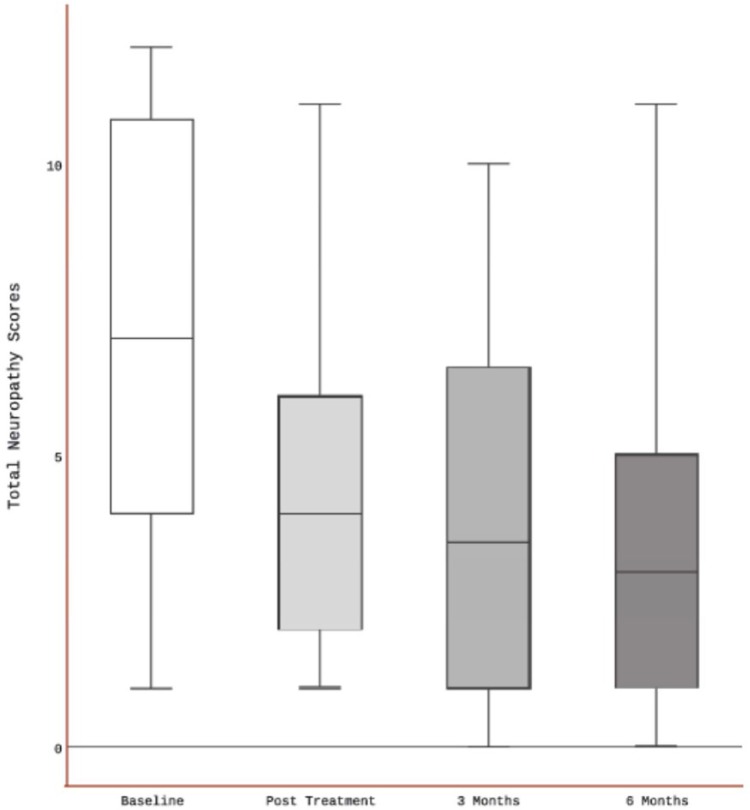
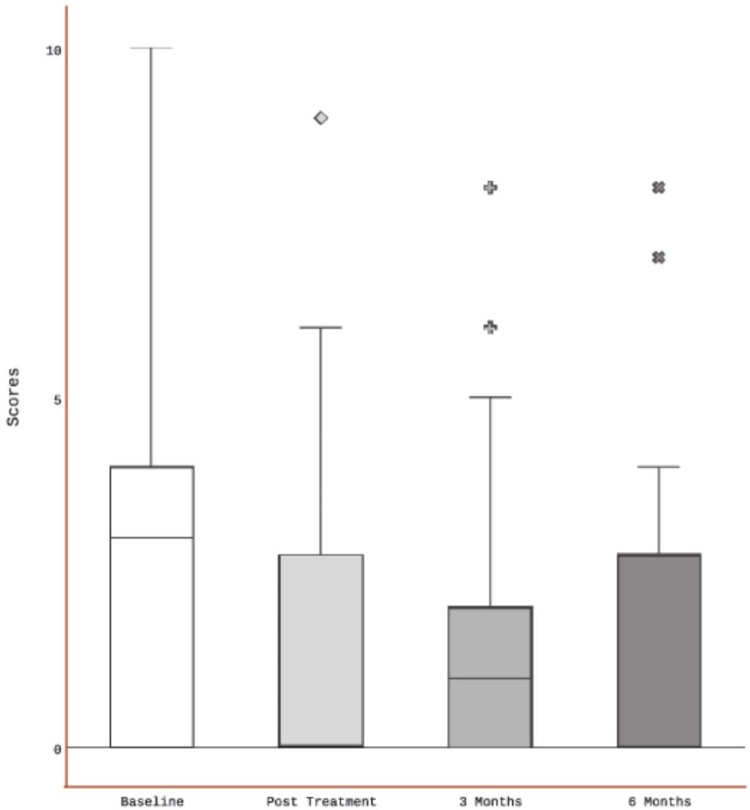
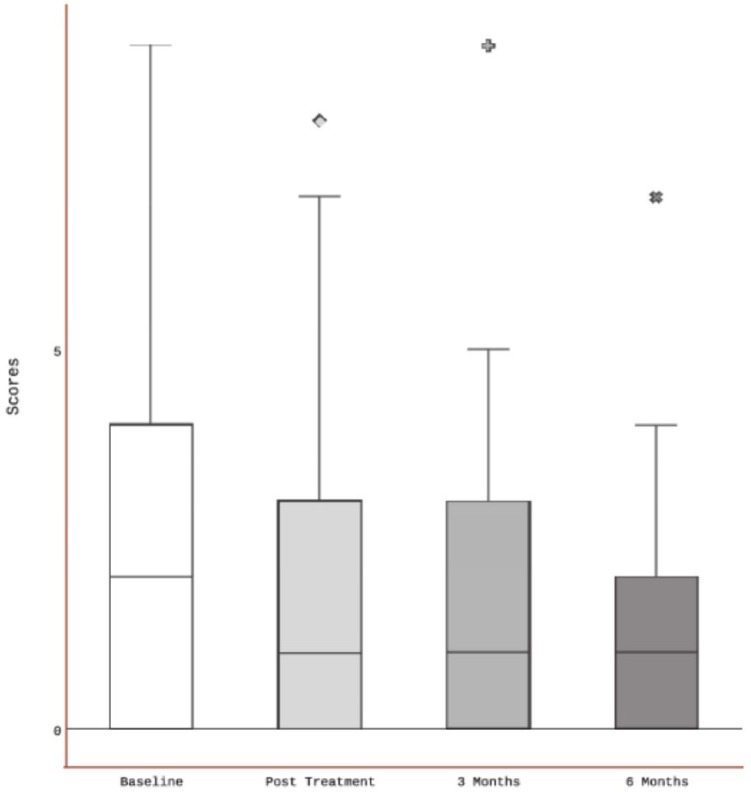
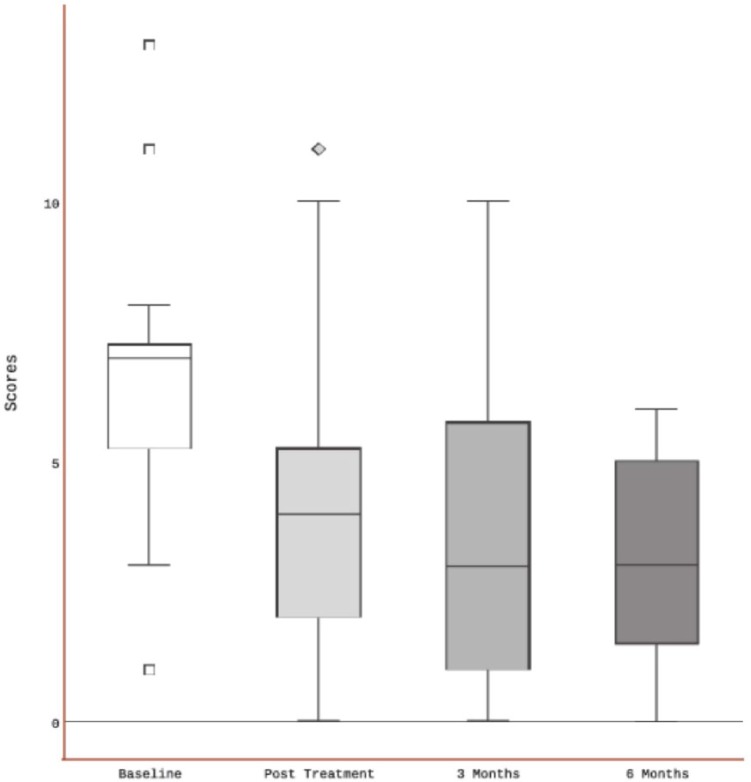
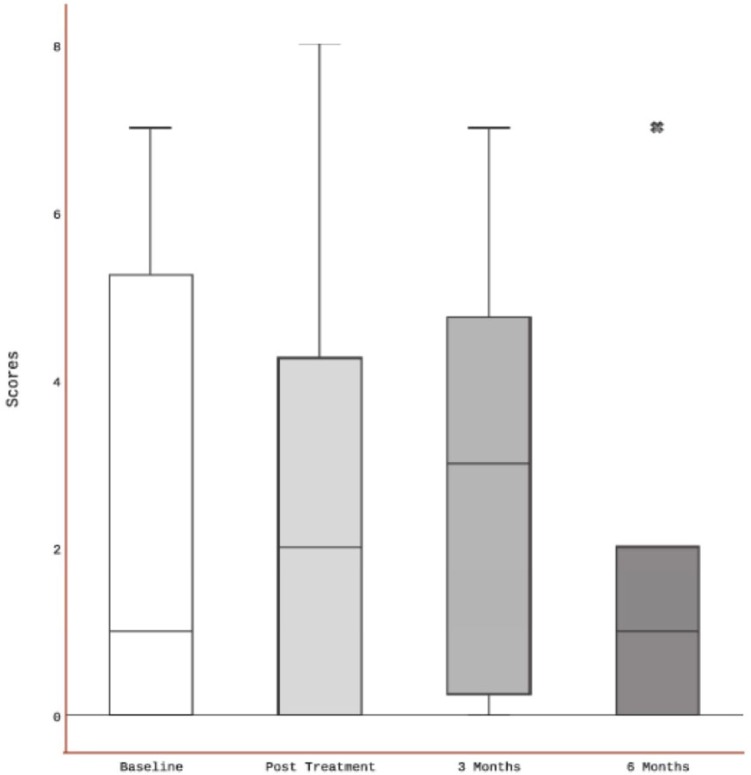
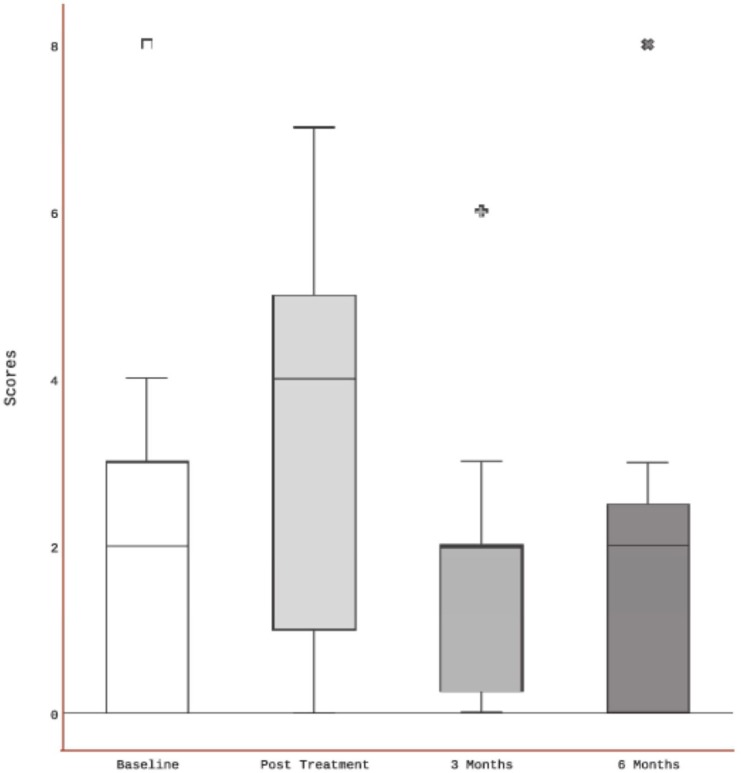
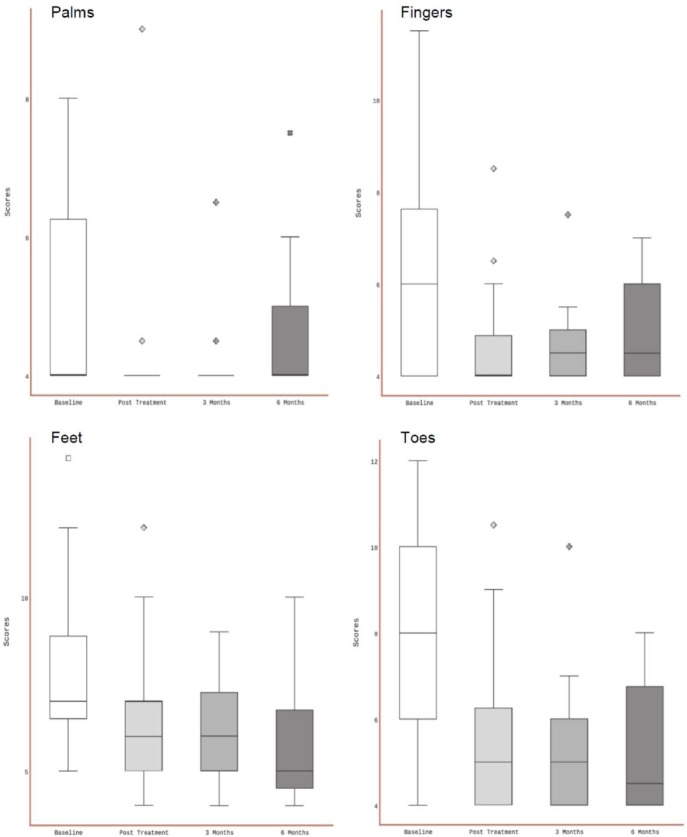
A prospective phase 2 study was conducted to evaluate the clinical utility of acupuncture-like transcutaneous nerve stimulation (ALTENS) for the treatment of chemotherapy-induced peripheral neuropathy (CIPN). Eligible cancer patients had a < 2 ECOG performance score, received neurotoxic chemotherapy, and developed CIPN symptoms for > two months. Randomization was used to eliminate bias in patient selection for ALTENS and was not to compare the effectiveness between the two treatments.ALTENS treatments were delivered using Codetron units. Bilateral acupuncture points included LI4 and LIV3, plus LI11 or ST36 were stimulated. Acupuncture treatments were administered to CV6, SP6, ST6, LI11, Bafeng, Baxie and selective Jing points bilaterally. Twelve treatments were delivered twice weekly over 6 to 8 weeks. The Modified Total Neuropathy Score (mTNS), Numbness Score, and Edmonton Symptom Assessment Score (ESAS) were assessed at baseline, treatment completion, plus at 3 and 6 months follow-up. The primary study endpoint was mTNS score at 6 months. We planned to recruit 23 patients into each group. After 30 patients were recruited, 2 were lost to follow-up at 3 months in the ALTENS group and 3 in the acupuncture group. The research team decided to recruit all remaining consecutive patients only to the ALTENS group to ensure an adequate evaluation of ALTENS, the primary object of evaluation. There were 27 patients in the ALTENS group, with an average symptom duration of 10 months after chemotherapy. Twenty four and 23 patients completed the 3 and 6 month follow-up respectively. The median mTNS scores were 7.1, 4.0, 3.6 and 3.1 at baseline, treatment completion, 3 and 6 months follow-up, respectively. One-way ANOVA analysis showed a significant improvement in mTNS scores (p<0.001) at 6 months. Numbness scores were also significantly improved at 6 months. ESAS pain scores and perception of well-being scores analyses were inconclusive. There were no significant reported side effects of ALTENS. There were only 13 patients in the acupuncture group and the number was insufficient for either an independent or a comparative analysis. The results of this study suggests that ALTENS significantly reduces the mTNS scores and numbness in patients suffering from CIPN symptoms.
Keywords: ALTENS; Acupuncture; TENS; chemotherapy; neuropathy.
© The Author(s) 2016.
Conflict of interest statement
Figures
References
Publication types
MeSH terms
Substances
LinkOut - more resources
Full Text Sources
Other Literature Sources
Medical
