


Diabetes treatment: A rapid review of the current and future scope of stem cell research
- PMID: 27134533
- PMCID: PMC4834680
- DOI: 10.1016/j.jsps.2013.12.012
Diabetes treatment: A rapid review of the current and future scope of stem cell research
Abstract
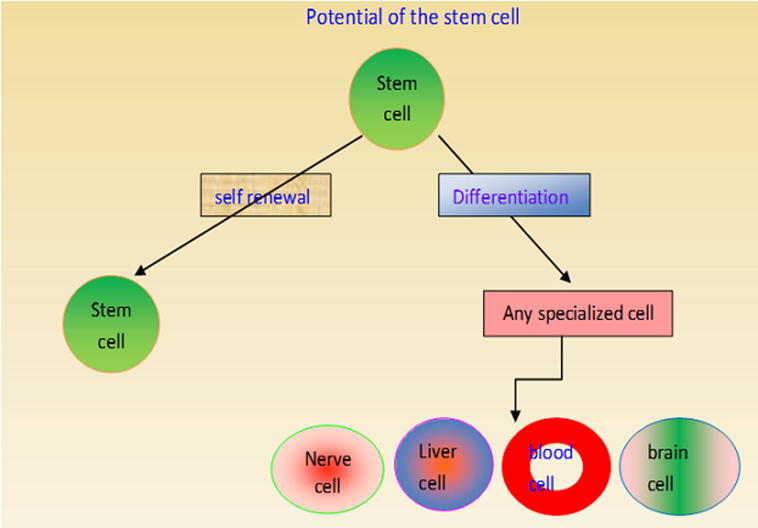
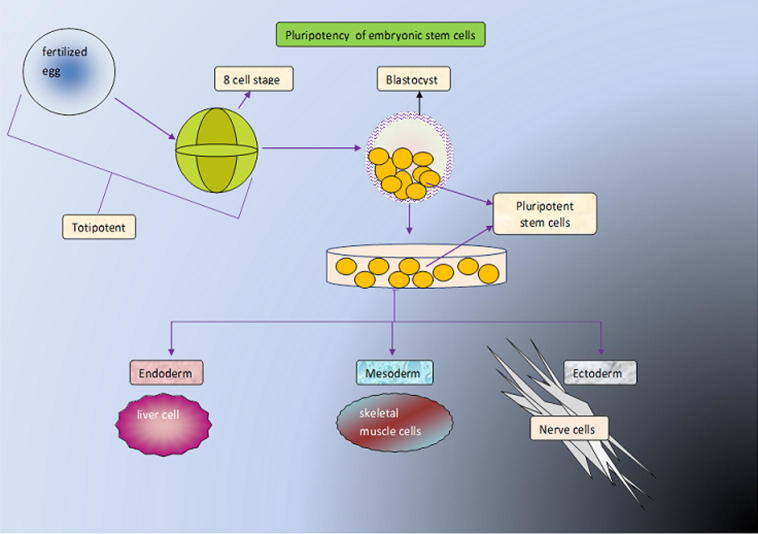
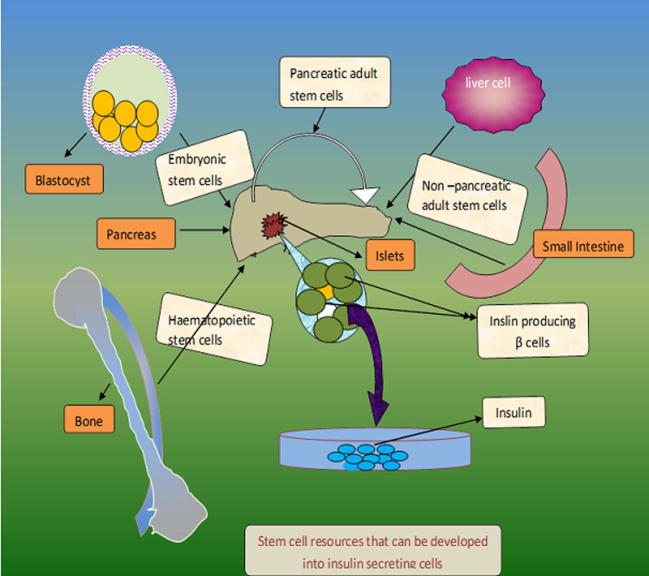
Diabetes mellitus is a major health concern of the developing and developed nations across the globe. This devastating disease accounts for the 5% deaths around the world annually. The current treatment methods do not address the underlying causes of the disease and have severe limitations. Stem cells are unique cells with the potential to differentiate into any type of specialized cells. This feature of both adult and embryonic stem cells was explored in great detail by the scientists around the world and are successful in producing insulin secreting cells. The different type of stem cells (induced pluripotent stem cells (iPSCs), embryonic stem cells (ESCs) and adult stem cells) proves to be potent in treating diabetes with certain limitations. This article precisely reviews the resources and progress made in the field of stem cell research for diabetic treatment.
Keywords: Diabetes; Induced pluripotency; Stem cells; β-Cells.
Figures

References
-
- Adler R. Curing blindness with stem cells: hope, reality, and challenges. Adv. Exp. Med. Biol. 2008;613:3–20. - PubMed
-
- Assady S., Maor G., Amit M., Itskovitz-Eldor J., Skorecki K.L., Tzukerman M. Insulin production by human embryonic stem cells. Diabetes. 2001;50:1691–1697. - PubMed
-
- Atkinson M.A., Eisenbarth G.S. Type I diabetes: new perspectives on disease pathogenesis and treatment. Lancet. 2001;358:221–229. - PubMed
-
- Ber I., Shternhall K., Perl S., Ohanuna Z., Goldberg I., Barshack I., Benvenisti-Zarum L., Meivar-Levy I., Ferber S. Functional, persistent, and extended liver to pancreas transdifferentiation. J. Biol. Chem. 2003;278:31950–31957. - PubMed
Publication types
LinkOut - more resources
Full Text Sources
Other Literature Sources
