


Serum levels of lycopene, beta-carotene, and retinol and their correlation with sperm DNA damage in normospermic and infertile men
- PMID: 27141539
- PMCID: PMC4827510
Serum levels of lycopene, beta-carotene, and retinol and their correlation with sperm DNA damage in normospermic and infertile men
Abstract
Background: Oxidative stress in reproductive system leads to sperm DNA damage and sperm membrane lipid peroxidation and may play an important role in the pathogenesis of male infertility, especially in idiopathic cases. Antioxidants such as carotenoids function against free radical damages.
Objective: The aim of this study was to determine the levels of lycopene, beta-carotene and retinol in serum and their relationship with sperm DNA damage and lipid peroxidation in infertile and normospermic males.
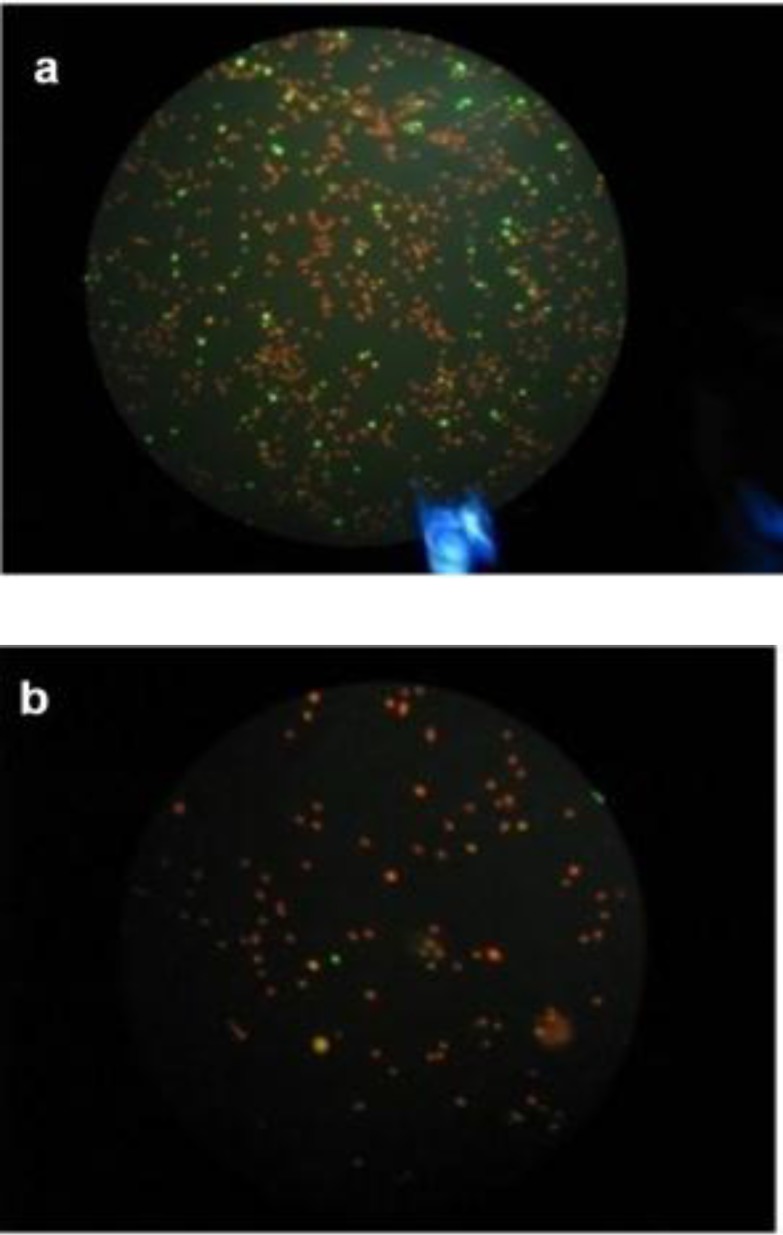
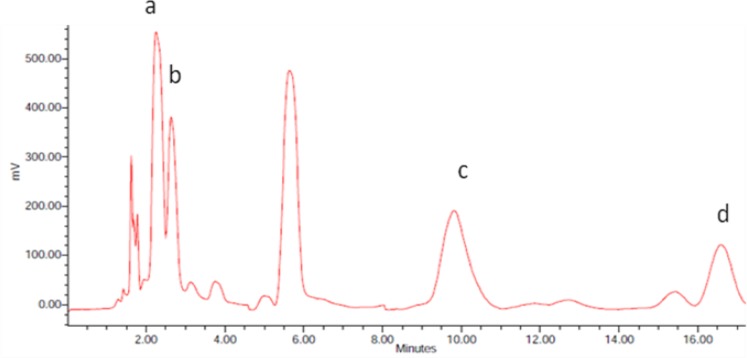
Materials and methods: Sixty two infertile men and 71 normospermic men participated in this study. Blood and semen samples were collected from all subjects. Sperm DNA damage was measured using TUNEL method. Carotenoids, retinol, and malonedildehyde in serum were also determined.
Results: DNA fragmentation was higher in infertile group comparing to control group. Serum levels of lycopene, beta-carotene and, vitamin A in infertile men were significantly lower than normospermic men (p< 0.001, =0.005, and =0.003 respectively). While serum MDA was not significantly different between two groups, MDA in seminal plasma of infertile men was significantly higher than control group (p< 0.001).
Conclusion: We concluded that lycopene, beta-carotene, and retinol can reduce sperm DNA fragmentation and lipid peroxidation through their antioxidant effect. Therefore the DNA fragmentation assay and determination of antioxidants factors such as lycopene, beta-carotene and retinol, along with sperm analysis can be useful in diagnosis and treatment of men with idiopathic infertility.
Keywords: Beta- carotene; DNA damage; Infertility; Lipid peroxidation; Lycopene; Malondialdehyde; Retinol.
Figures
References
-
- Ko EY, Siddiqi K, Brannigan RE, Sabanegh ES Jr. Empirical medical therapy for idiopathic male infertility: a survey of the American Urological Association. J Urol. 2012;187:973–978. - PubMed
-
- Kessopoulou E, Tomlinson MJ, Barratt CL, Bolton AE, Cooke ID. Origin of reactive oxygen species in human semen: spermatozoa or leucocytes? J Reprod Fertil. 1992;94:463–470. - PubMed
-
- Agarwal A, Saleh RA. Role of oxidants in male infertility: rationale, significance, and treatment. Urol Clin North Am. 2002;29:817–827. - PubMed
-
- de Lamirande E, Jiang H, Zini A, Kodama H, Gagnon C. Reactive oxygen species and sperm physiology. Rev Reprod. 1997;2:48–54. - PubMed
-
- Aitken J, Krausz C, Buckingham D. Relationships between biochemical markers for residual sperm cytoplasm, reactive oxygen species generation, and the presence of leukocytes and precursor germ cells in human sperm suspensions. Mol Reprod Dev. 1994;39:268–279. - PubMed
LinkOut - more resources
Full Text Sources
Other Literature Sources