


The Biochemistry and Epigenetics of Epilepsy: Focus on Adenosine and Glycine
- PMID: 27147960
- PMCID: PMC4829603
- DOI: 10.3389/fnmol.2016.00026
The Biochemistry and Epigenetics of Epilepsy: Focus on Adenosine and Glycine
Abstract
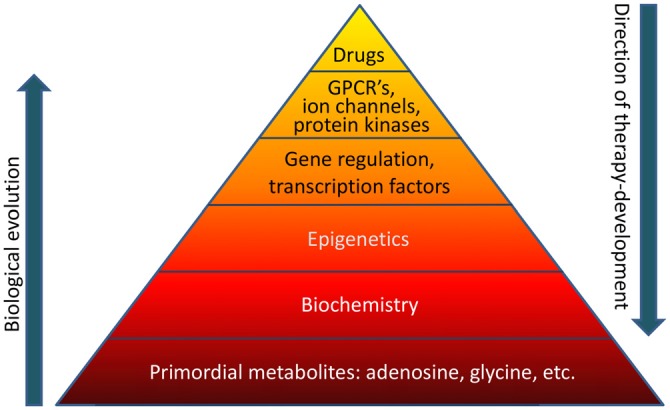
Epilepsy, one of the most prevalent neurological conditions, presents as a complex disorder of network homeostasis characterized by spontaneous non-provoked seizures and associated comorbidities. Currently used antiepileptic drugs have been designed to suppress neuronal hyperexcitability and thereby to suppress epileptic seizures. However, the current armamentarium of antiepileptic drugs is not effective in over 30% of patients, does not affect the comorbidities of epilepsy, and does not prevent the development and progression of epilepsy (epileptogenesis). Prevention of epilepsy and its progression remains the Holy Grail for epilepsy research and therapy development, requiring novel conceptual advances to find a solution to this urgent medical need. The methylation hypothesis of epileptogenesis suggests that changes in DNA methylation are implicated in the progression of the disease. In particular, global DNA hypermethylation appears to be associated with chronic epilepsy. Clinical as well as experimental evidence demonstrates that epilepsy and its progression can be prevented by biochemical manipulations and those that target previously unrecognized epigenetic functions contributing to epilepsy development and maintenance of the epileptic state. This mini-review will discuss, epigenetic mechanisms implicated in epileptogenesis and biochemical interactions between adenosine and glycine as a conceptual advance to understand the contribution of maladaptive changes in biochemistry as a major contributing factor to the development of epilepsy. New findings based on biochemical manipulation of the DNA methylome suggest that: (i) epigenetic mechanisms play a functional role in epileptogenesis; and (ii) therapeutic reconstruction of the epigenome is an effective antiepileptogenic therapy.
Keywords: DNA methylation; adenosine; adenosine kinase; epigenetics; epilepsy; epileptogenesis; glycine; glycine transporter 1.
Figures

References
Publication types
Grants and funding
LinkOut - more resources
Full Text Sources
Other Literature Sources
