


Use of Lactobacillus plantarum Strains as a Bio-Control Strategy against Food-Borne Pathogenic Microorganisms
- PMID: 27148172
- PMCID: PMC4829616
- DOI: 10.3389/fmicb.2016.00464
Use of Lactobacillus plantarum Strains as a Bio-Control Strategy against Food-Borne Pathogenic Microorganisms
Abstract
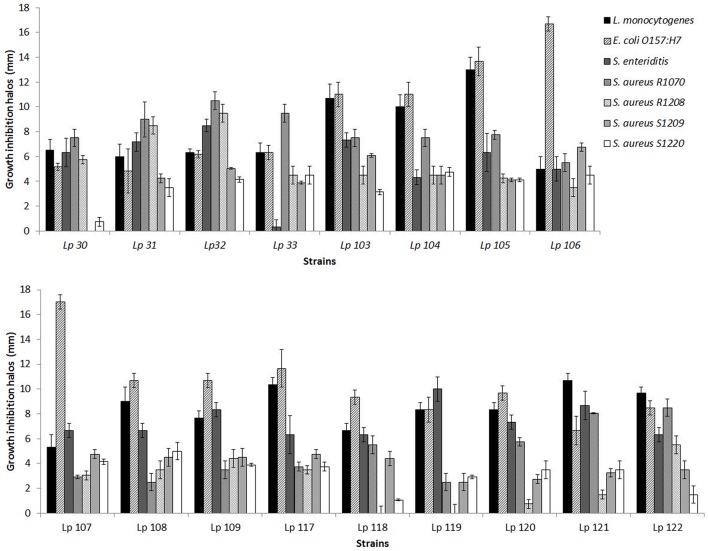
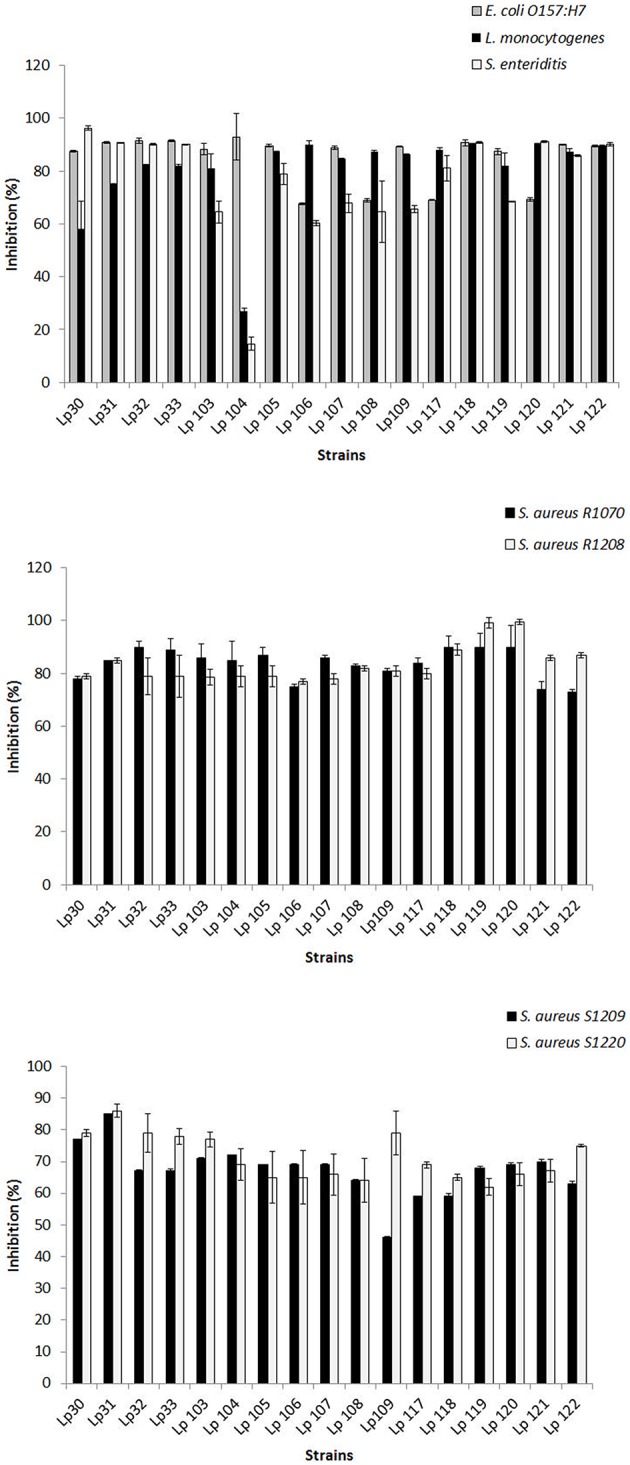
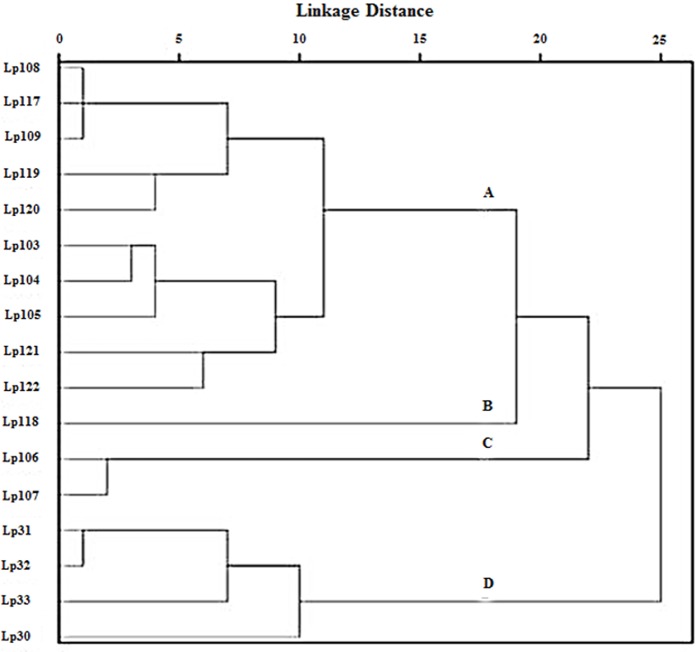
Lactobacillus plantarum is one of the most versatile species extensively used in the food industry both as microbial starters and probiotic microorganisms. Several L. plantarum strains have been shown to produce different antimicrobial compounds such as organic acids, hydrogen peroxide, diacetyl, and also bacteriocins and antimicrobial peptides, both denoted by a variable spectrum of action. In recent decades, the selection of microbial molecules and/or bacterial strains able to produce antagonistic molecules to be used as antimicrobials and preservatives has been attracting scientific interest, in order to eliminate or reduce chemical additives, because of the growing attention of consumers for healthy and natural food products. The aim of this work was to investigate the antimicrobial activity of several food-isolated L. plantarum strains, analyzed against the pathogenic bacteria Listeria monocytogenes, Salmonella Enteritidis, Escherichia coli O157:H7 and Staphylococcus aureus. Antagonistic activity was assayed by agar spot test and revealed that strain L. plantarum 105 had the strongest ability to contrast the growth of L. monocytogenes, while strains L. plantarum 106 and 107 were the most active microorganisms against E. coli O157:H7. The antimicrobial ability was also screened by well diffusion assay and broth micro-dilution method using cell-free supernatants (CFS) from each Lactobacillus strain. Moreover, the chemical nature of the molecules released in the CFS, and possibly underlying the antagonistic activity, was preliminary characterized by exposure to different constraints such as pH neutralization, heating, catalase, and proteinase treatments. Our data suggest that the ability of L. plantarum cultures to contrast pathogens growth in vitro depends, at least in part, on a pH-lowering effect of supernatants and/or on the presence of organic acids. Cluster analysis was performed in order to group L. plantarum strains according to their antimicrobial effect. This study emphasizes the tempting use of the tested L. plantarum strains and/or their CFS as antimicrobial agents against food-borne pathogens.
Keywords: Lactobacillus plantarum; antimicrobial compounds; cell-free supernatant (CFS); inhibiting activity; organic acid; pathogens.
Figures
References
-
- Adebayo F. A., Afolabi O. R., Akintokun A. K. (2014). Antimicrobial properties of purified bacteriocins produced from Lactobacillus casei and Lactobacillus fermentum against selected pathogenic microorganisms. Br. J. Med. Med. Res. 4, 3415–3431. 10.9734/BJMMR/2014/8584 - DOI
LinkOut - more resources
Full Text Sources
Other Literature Sources
Molecular Biology Databases
