


Effects of phloretin on oxidative and inflammatory reaction in rat model of cecal ligation and puncture induced sepsis
- PMID: 27150961
- PMCID: PMC4858854
- DOI: 10.1186/s40199-016-0154-9
Effects of phloretin on oxidative and inflammatory reaction in rat model of cecal ligation and puncture induced sepsis
Abstract
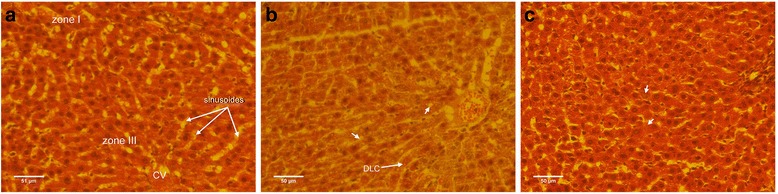
Background: Sepsis is a debilitating systemic disease and described as a severe and irregular systemic inflammatory reaction syndrome (SIRS) against infection. We employed CLP (Cecal Ligation and Puncture) model in rats to investigate anti-inflammatory and antioxidant effects of phloretin, as a natural antioxidant agent, and its protective effect on liver tissue damage caused by sepsis.
Methods: Male Wistar albino rats were randomly divided into three groups: sham group, CLP induced sepsis group and phloretin treated CLP group. Sepsis was induced by CLP method. 50 mmol/kg Phloretin was administered intraperitoneally in two equal doses immediately after surgery.
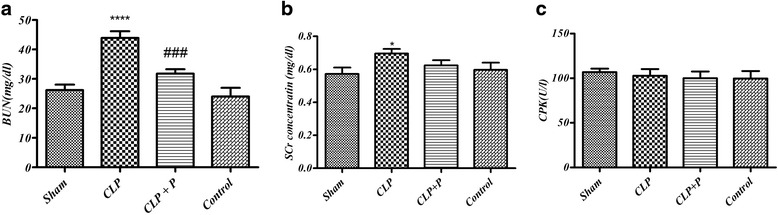
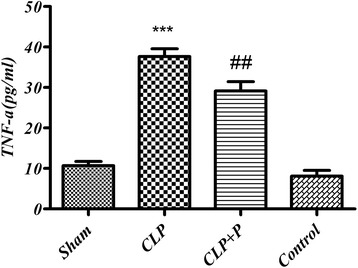
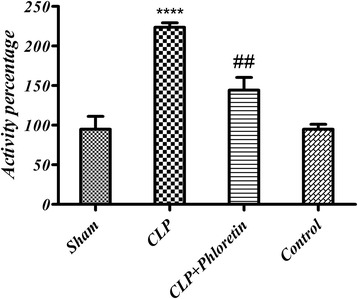
Results: It was observed that blood urea nitrogen (BUN) and tumor necrosis factor alpha (TNF-α) levels were dramatically increased in the CLP induced sepsis group (43.88 ± 1.905 mg/dl, 37.63 ± 1.92, respectively) when compared to the sham group. Moreover, tissue Glutathione (GSH) and liver nuclear factor ĸB (NF-ĸB p65) transcription factor values were higher in CLP induced sepsis group. This elevation was considerably reduced in the phloretin treated CLP group. No significant differences were observed in serum creatinine and creatinine phosphokinase levels.
Conclusions: The present study suggested that phloretin, as a natural protective agent, act against tissue damages introduced following the experimental sepsis induced model, likely caused by free oxygen radicals.
Keywords: Antioxidants; NF-ĸB; Oxidative stress; Phloretin; Sepsis; TNF- α.
Figures
References
-
- Bostanoglu A, Bostanoglu S, Erverdi N, Hamamcı O, Özgen G, Dursun A, et al. The role of oxygen free radicals in an experimental sepsis model. Turkish J Gastroenterol. 1999;10:427–31.
-
- Lever A, Mackenzie I. Sepsis: definition, epidemiology, and diagnosis. BMJ. 2007;335(7625):879–83. doi: 10.1136/bmj.39346.495880.AE. - DOI - PMC - PubMed
MeSH terms
Substances
LinkOut - more resources
Full Text Sources
Other Literature Sources
Medical
Miscellaneous
