Review
. 2016 May 5;165(4):792-800.
doi: 10.1016/j.cell.2016.03.046.

Inflammasome Complexes: Emerging Mechanisms and Effector Functions

Affiliations
Review

Inflammasome Complexes: Emerging Mechanisms and Effector Functions

Vijay A K Rathinam et al. Cell. .

Abstract

Canonical activation of the inflammasome is critical to promote caspase-1-dependent maturation of the proinflammatory cytokines IL-1β and IL-18, as well as to induce pyroptotic cell death in response to pathogens and endogenous danger signals. Recent discoveries, however, are beginning to unveil new components of the inflammasome machinery as well as the full spectrum of inflammasome functions, extending their influence beyond canonical functions to regulation of eicosanoid storm, autophagy, and metabolism. In addition, the receptor components of the inflammasome can also regulate diverse biological processes, such as cellular proliferation, gene transcription, and tumorigenesis, all of which are independent of their inflammasome complex-forming capabilities. Here, we review these recent advances that are shaping our understanding of the complex biology of the inflammasome and its constituents.


Figures

Figure 1
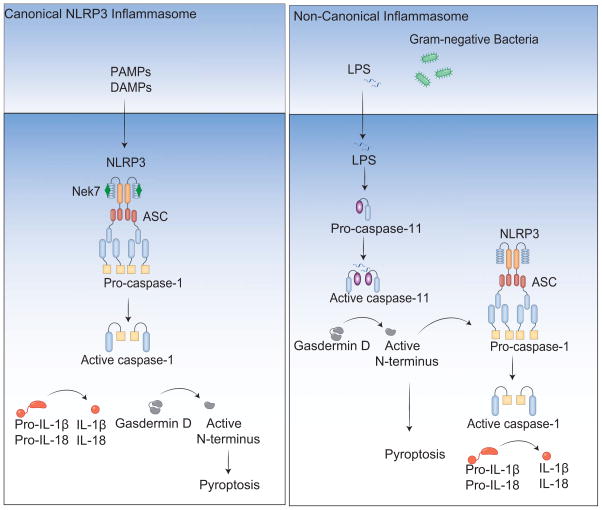
Figure 1. NLRP3 inflammasome activation: canonical and non-canonical modes of activation
The canonical inflammasome pathway is triggered by multiple pathogens and inflammatory agents. Nek7 is recruited to the NLRP3 complex which recruits pro-caspase-1 monomers through the adaptor protein ASC, activating caspase-1. Caspase-1 processes the pro-inflammatory cytokine pro-IL-1β to generate mature IL-1β, which is presumably released by cell lysis during pyroptosis. Caspase-1 also initiates pyroptosis by cleaving gasdermin D. Murine caspase-11 (caspase-4 and caspase-5 in humans) oligomerizes upon binding with cytosolic LPS and becomes active. Active caspase-11 cleaves gasdermin D to drive pyroptosis and NLRP3 inflammasome-dependent cleavage of caspase-1 through an unknown mechanism.
Figure 2
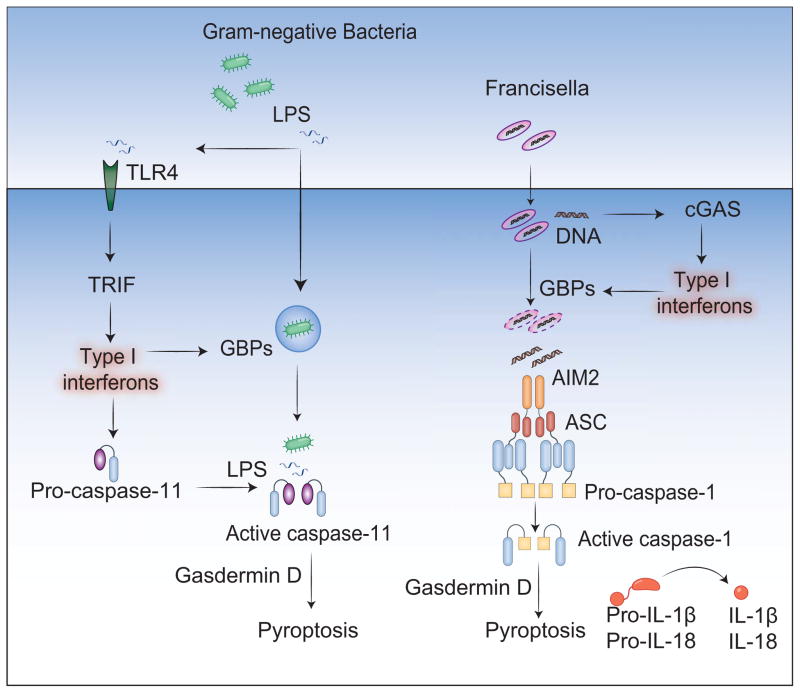
Figure 2. Essential roles of type I interferon signaling in inflammasome activation by bacteria
Gram-negative bacterial infections lead to the activation of TLR4-TRIF-type I IFN pathway, which induces the expression of caspase-11 and GBPs. Type I interferon induction by Francisella via cGAS up regulates the expression of GBPs. Type I interferon-signaling aids in the cytosolic access of LPS and DNA leading to the activation of caspase-11 and AIM2, respectively.
Figure 3
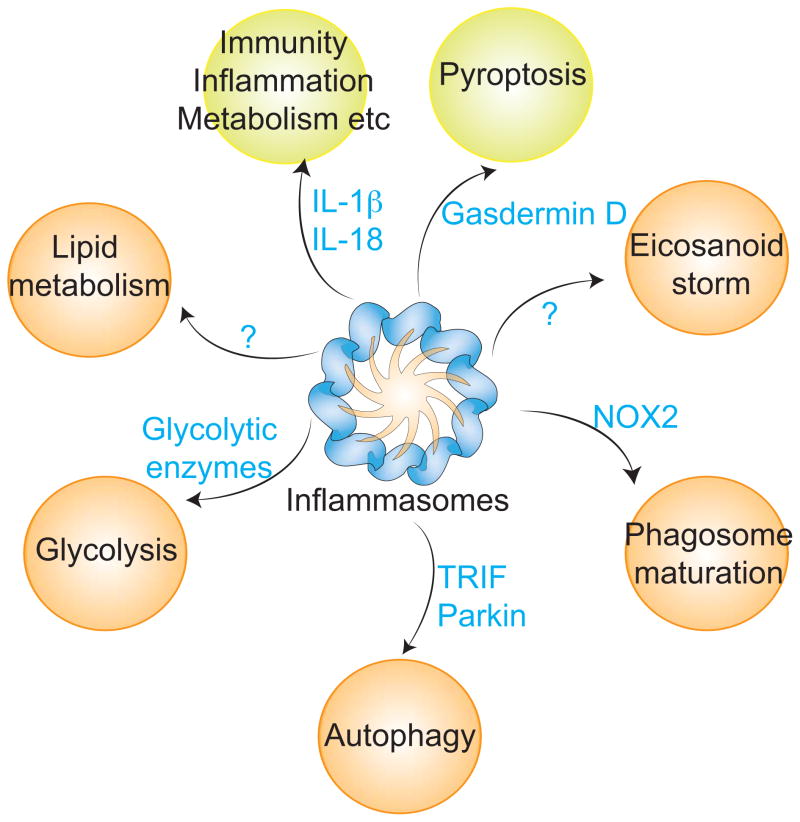
Figure 3. Novel functions of inflammasomes
Inflammasome activation leads to the proteolytic activation of IL-1β, IL-18, and gasdermin D, the latter triggers inflammatory cell death, pyroptosis. In addition, caspase-1 activated by inflammasomes cleaves additional but partially known set of substrates such as Nox2, TRIF, parkin and thereby regulates a multitude of processes such as eicosanoid synthesis, phagosomal acidification, autophagy, glycolysis and lipid metabolism in an IL-1 cytokines- and pyroptosis-independent fashion. Green and orange circles represent the canonical and non-canonical functions of inflammasomes. Blue letters indicate caspase-1 substrates.
Figure 4
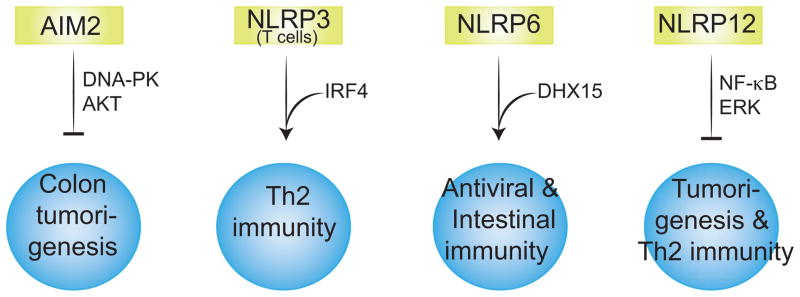
Figure 4. The inflammasome-independent biological roles of ALR and NLR proteins
AIM2 controls intestinal stem cell proliferation and colon tumorigenesis by inhibiting DNA-PK-dependent AKT activation. NLRP3 interacts with IRF4 and acts as a transcriptional factor to regulate Th2 gene expression. NLRP6 functions both as a negative regulator of anti-bacterial immunity and a sensor of viral RNA. NLRP12 inhibits NF-κB and ERK signaling and thus colorectal tumor development and Th2 immunity.

References

    1. Akhter A, Caution K, Abu Khweek A, Tazi M, Abdulrahman BA, Abdelaziz DHA, Voss OH, Doseff AI, Hassan H, Azad AK, et al. Caspase-11 promotes the fusion of phagosomes harboring pathogenic bacteria with lysosomes by modulating actin polymerization. Immunity. 2012;37:35–47. - PMC - PubMed
    1. Anand PK, Malireddi RKS, Lukens JR, Vogel P, Bertin J, Lamkanfi M, Kanneganti TD. NLRP6 negatively regulates innate immunity and host defence against bacterial pathogens. Nature. 2012;488:389–393. - PMC - PubMed
    1. Becker CE, Creagh EM, O’Neill LAJ. Rab39a binds caspase-1 and is required for caspase-1-dependent interleukin-1beta secretion. J Biol Chem. 2009;284:34531–34537. - PMC - PubMed
    1. Bossaller L, Chiang PI, Schmidt-Lauber C, Ganesan S, Kaiser WJ, Rathinam VAK, Mocarski ES, Subramanian D, Green DR, Silverman N, et al. Cutting edge: FAS (CD95) mediates noncanonical IL-1β and IL-18 maturation via caspase-8 in an RIP3-independent manner. The Journal of Immunology. 2012;189:5508–5512. - PMC - PubMed
    1. Broz P, Ruby T, Belhocine K, Bouley DM, Kayagaki N. Caspase-11 increases susceptibility to Salmonella infection in the absence of caspase-1. Nature. 2012;490:288–291. - PMC - PubMed