


Exploring an herbal "wonder cure" for cancer: a multidisciplinary approach
- PMID: 27155666
- PMCID: PMC5513733
- DOI: 10.1007/s00432-016-2175-7
Exploring an herbal "wonder cure" for cancer: a multidisciplinary approach
Abstract
Context and objectives: The unmonitored use of herbal medicinal remedies by patients with cancer presents a significant challenge to oncology healthcare professionals. We describe an increasingly popular herbal "wonder drug," Ephedra foeminea (Alanda in Arabic), whose use has spread from the Palestinian patient population throughout the Middle East. We conducted a multicentered and multidisciplinary collaborative research effort in order to understand the potential benefits and harms of this popular herbal remedy.
Methods: We conducted an in-depth search of the medical literature, both traditional and modern, for any mention of the clinical use of Alanda for the treatment of cancer. We then tested the remedy, first for toxic ephedra alkaloid components and then for anticancer effects, as well as effects on the cytotoxic activity of chemotherapy agents (cisplatin and carboplatin) on breast cancer cell cultures.
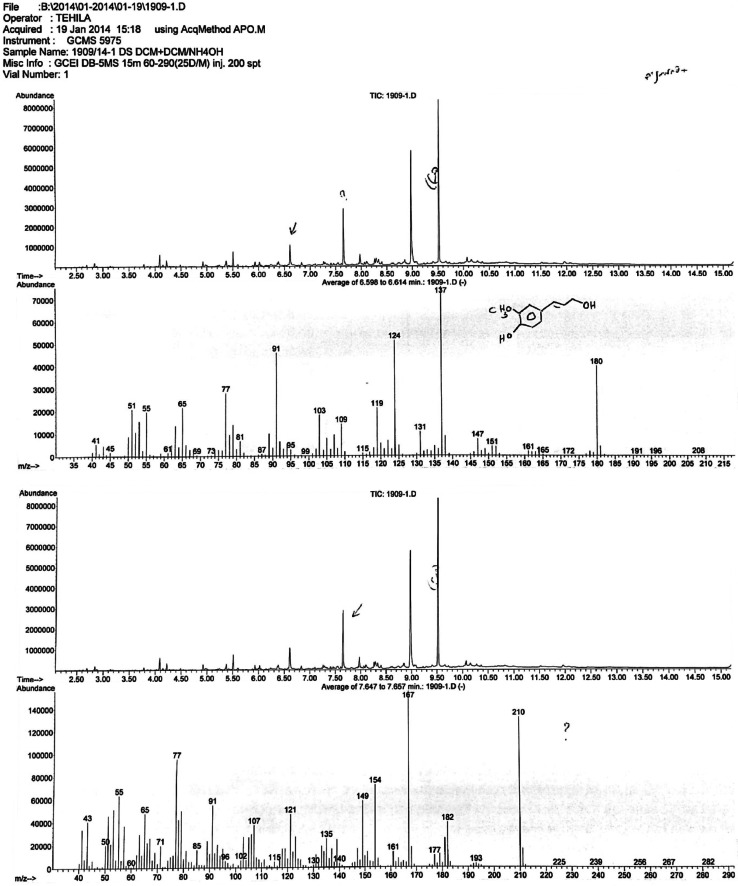
Results: We found no mention in the literature, both conventional and traditional, on the use of Alanda for the treatment of cancer. Laboratory testing did not find any toxic components (i.e., ephedra alkaloids) in the preparation. However, in vitro exposure to Alanda led to a reduced cytotoxic effect of chemotherapy on breast cancer cell cultures.
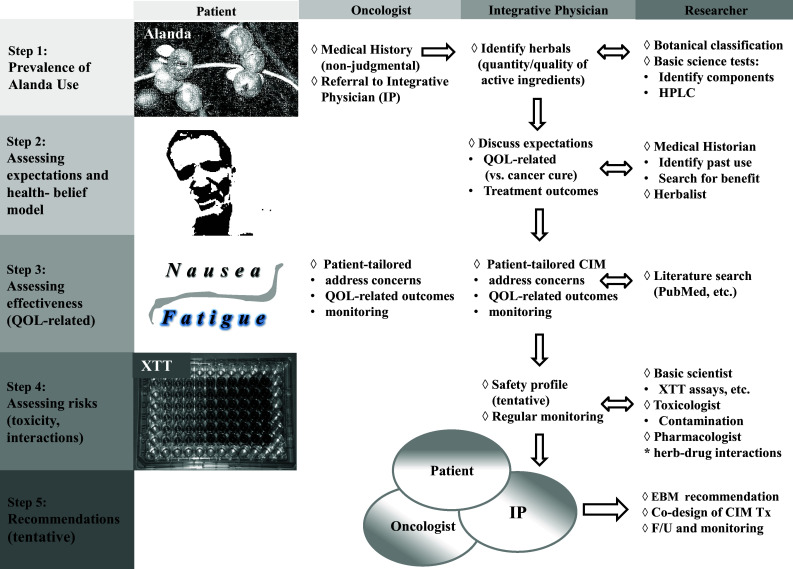
Conclusions: The use of an integrative ethnobotanical, laboratory and clinical research-based approach can be extremely helpful when providing nonjudgmental and evidence-based guidance to patients with cancer, especially on the use of traditional herbal medicine. The effectiveness and safety of these products need to be examined by integrative physicians who are dually trained in both complementary medicine and supportive cancer care.
Keywords: Complementary medicine; Drug–herb interactions; Ephedra foeminea; Herbal medicine; Integrative medicine; Quality-of-life (QOL).
Conflict of interest statement
Prof. Eran Ben-Arye declares that he has no conflict of interest. Dr. Jamal Mahajna declares that he has no conflict of interest. Dr. Radi Aly declares that he has no conflict of interest. Dr. Mohammed Saleem Ali-Shtayeh declares that he has no conflict of interest. Prof. Yedidia Bentur declares that he has no conflict of interest. Prof. Efraim Lev declares that he has no conflict of interest. Dr. Gary Deng declares that he has no conflict of interest. Dr. Noah Samuels declares that he has no conflict of interest.
Figures
References
MeSH terms
Substances
Grants and funding
LinkOut - more resources
Full Text Sources
Other Literature Sources
