


High-Sensitivity C-Reactive Protein and Cardiovascular Disease Across Countries and Ethnicities
- PMID: 27166776
- PMCID: PMC4825196
- DOI: 10.6061/clinics/2016(04)11
High-Sensitivity C-Reactive Protein and Cardiovascular Disease Across Countries and Ethnicities
Abstract
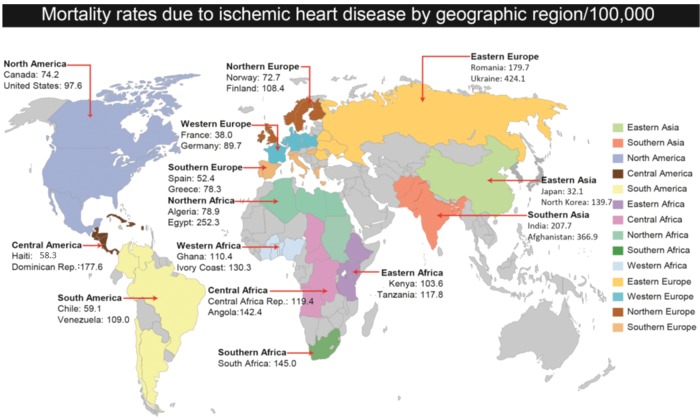
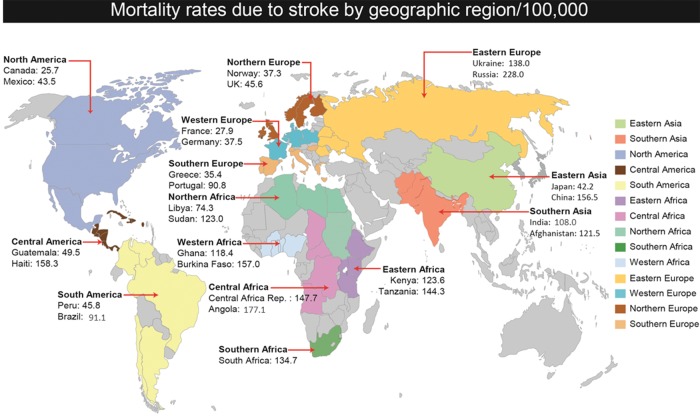
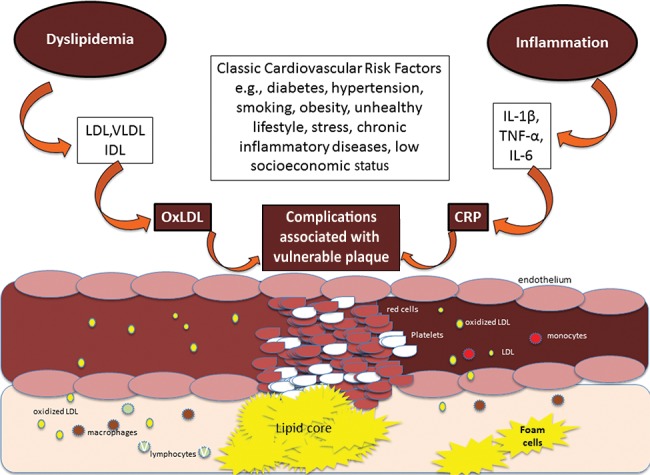
Despite substantial differences in ethnicities, habits, cultures, the prevalence of traditional cardiovascular risk factors and affordable therapies, atherosclerosis remains the major cause of death in developing and developed countries. However, irrespective of these differences, inflammation is currently recognized as the common pathway for the major complications of atherosclerosis, stroke, and ischemic heart disease. A PubMed search was conducted for "high-sensitivity C-reactive protein" (hs-CRP) in combination with the terms race, ethnicity, gender, prevalence, geographic, epidemiology, cardiovascular, obesity, diabetes, hypertension, cholesterol, smoking, ischemic heart disease, stroke, and mortality. This review includes the articles that pertained to the topic and additional articles identified from the reference lists of relevant publications. This review describes the marked differences in cardiovascular mortality across countries and ethnicities, which may be attributed to inequalities in the prevalence of the classic risk factors and the stage of cardiovascular epidemiological transition. However, hs-CRP appears to contribute to the prognostic information regarding cardiovascular risk and mortality even after multiple adjustments. Considering the perception of cardiovascular disease as an inflammatory disease, the more widespread use of hs-CRP appears to represent a valid tool to identify people at risk, independent of their ancestry or geographic region. In conclusion, this review reports that the complications associated with vulnerable atherosclerotic plaques are triggered by the major mechanisms of dyslipidemia and inflammation; whereas both mechanisms are influenced by classic risk factors, hs-CRP contributes additional information regarding cardiovascular events and mortality.
Conflict of interest statement
No potential conflict of interest was reported.
Figures
References
Publication types
MeSH terms
Substances
LinkOut - more resources
Full Text Sources
Other Literature Sources
Research Materials
Miscellaneous
