


Obesity enhances sepsis-induced liver inflammation and injury in mice
- PMID: 27172993
- PMCID: PMC4925204
- DOI: 10.1002/oby.21504
Obesity enhances sepsis-induced liver inflammation and injury in mice
Abstract
Objective: How obesity affects the response to sepsis was not completely understood. It was hypothesized that obesity alters adipose and hepatic tissue inflammation through signal transducer and activator of transcription (STAT3) activation.
Methods: Male C57BL/6 mice at 6 weeks of age were randomized to a high-fat diet (60% kcal fat) or normal diet (16% kcal fat) for 6 to 7 weeks. Sepsis was then induced by cecal ligation and puncture, and animals were monitored for survival or sacrificed and tissue collected.
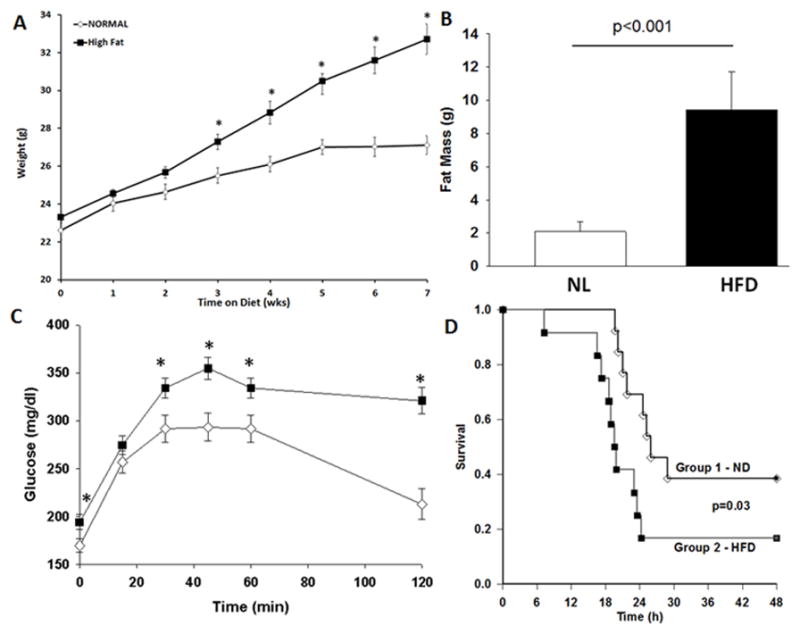
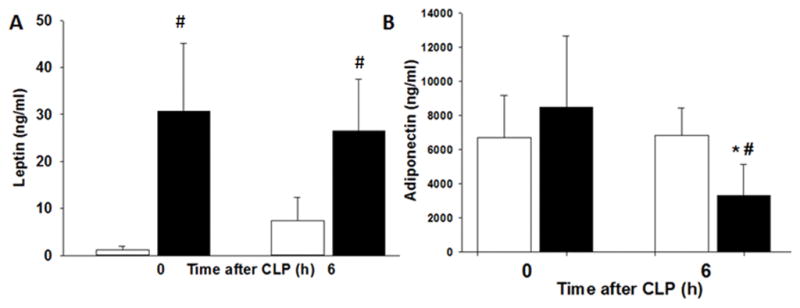
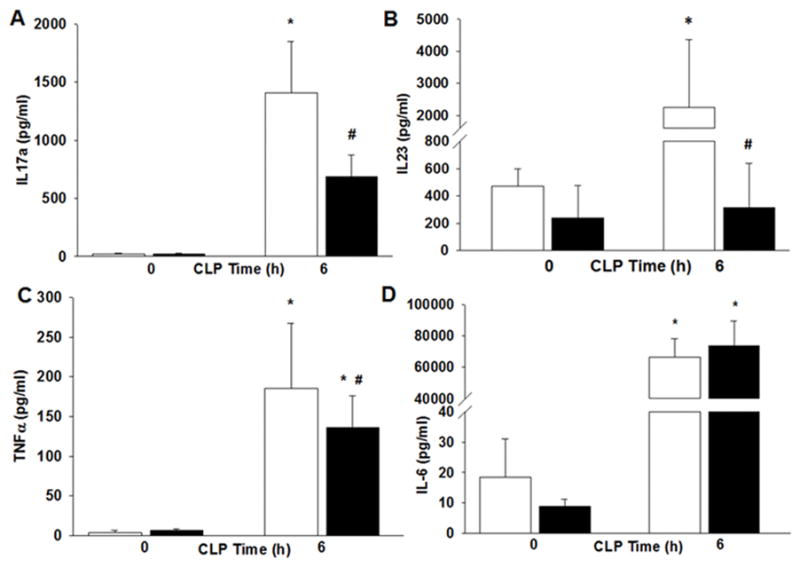
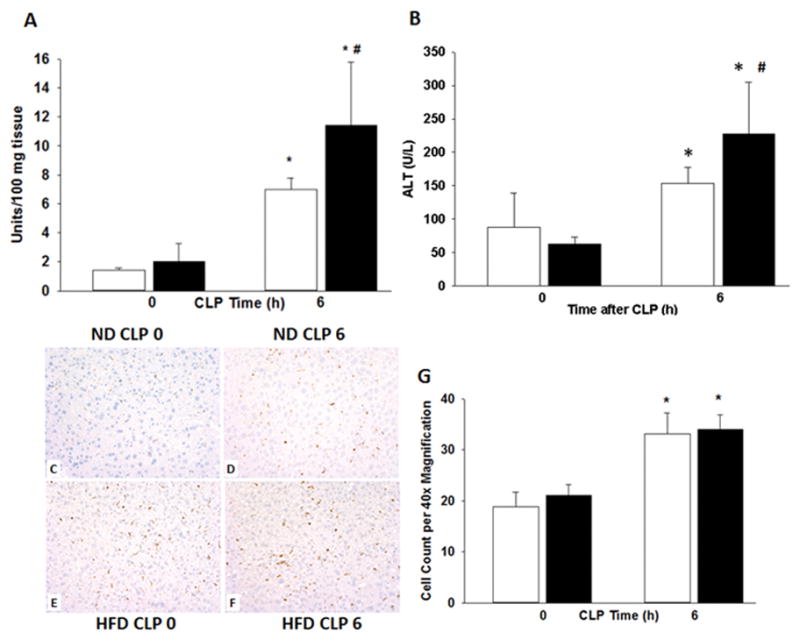
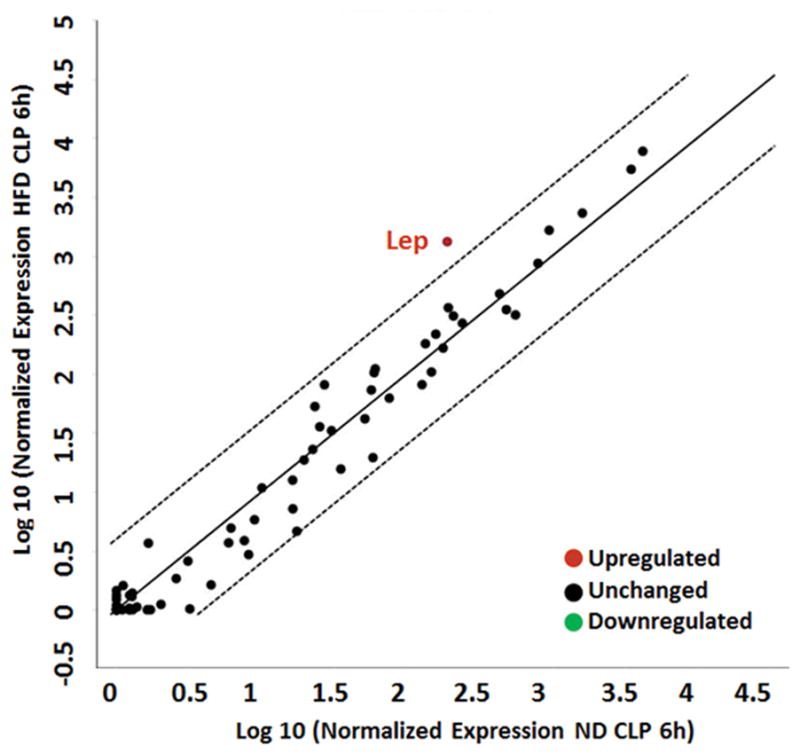
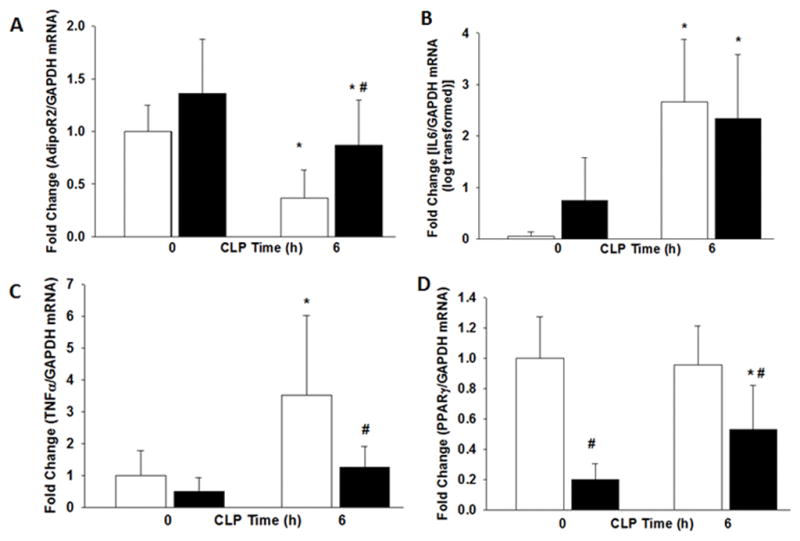
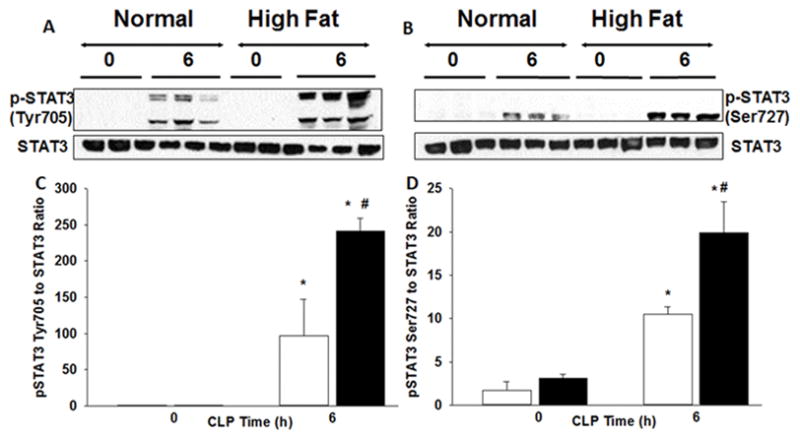
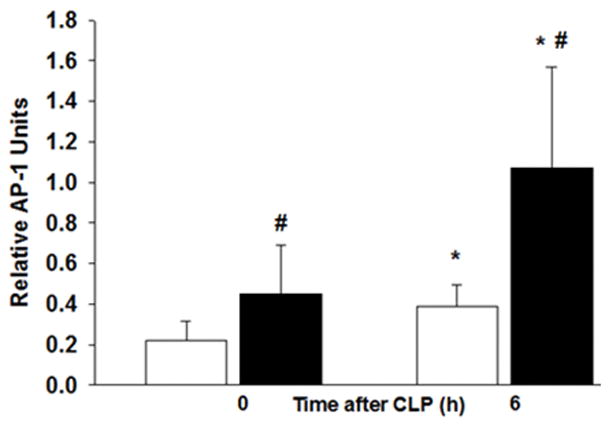
Results: High-fat diet-fed mice gained more weight, had increased fat mass, and were glucose intolerant compared with normal diet-fed mice. Obesity increased hepatic neutrophil infiltration and injury after sepsis. Mice with obesity had higher plasma leptin levels compared with mice without obesity. Adipose tissue expression of adiponectin receptor 2, tumor necrosis factor-α, and peroxisome proliferator activated receptor gamma was altered during sepsis and affected by obesity, but the greatest change in adipose tissue expression was in leptin. Septic mice with obesity had lower plasma interleukin-17a, interleukin-23, and tumor necrosis factor-α levels and increased hepatic STAT3 and activator protein-1 activation compared with septic mice without obesity. Ultimately, mice with obesity had a lower probability of survival following sepsis.
Conclusions: Mice with obesity are more susceptible to sepsis and have higher mortality, in part, through activation of the STAT3 signaling pathway and through activator protein-1 activation.
© 2016 The Obesity Society.
Figures
References
-
- Brown CV, Neville AL, Salim A, Rhee P, Cologne K, Demetriades D. The impact of obesity on severely injured children and adolescents. J Pediatr Surg. 2006;41:88–91. discussion 88–91. - PubMed
-
- Akinnusi ME, Pineda LA, El Solh AA. Effect of obesity on intensive care morbidity and mortality: a meta-analysis. Crit Care Med. 2008;36:151–158. - PubMed
-
- Hogue CW, Jr, Stearns JD, Colantuoni E, et al. The impact of obesity on outcomes after critical illness: a meta-analysis. Intensive Care Med. 2009;35:1152–1170. - PubMed
-
- Nasraway SA, Jr, Albert M, Donnelly AM, Ruthazer R, Shikora SA, Saltzman E. Morbid obesity is an independent determinant of death among surgical critically ill patients. Crit Care Med. 2006;34:964–970. quiz 971. - PubMed
MeSH terms
Substances
Grants and funding
LinkOut - more resources
Full Text Sources
Other Literature Sources
Medical
Research Materials
Miscellaneous
