


Is GLP-1 a hormone: Whether and When?
- PMID: 27186356
- PMCID: PMC4854505
- DOI: 10.1111/jdi.12466
Is GLP-1 a hormone: Whether and When?
Abstract
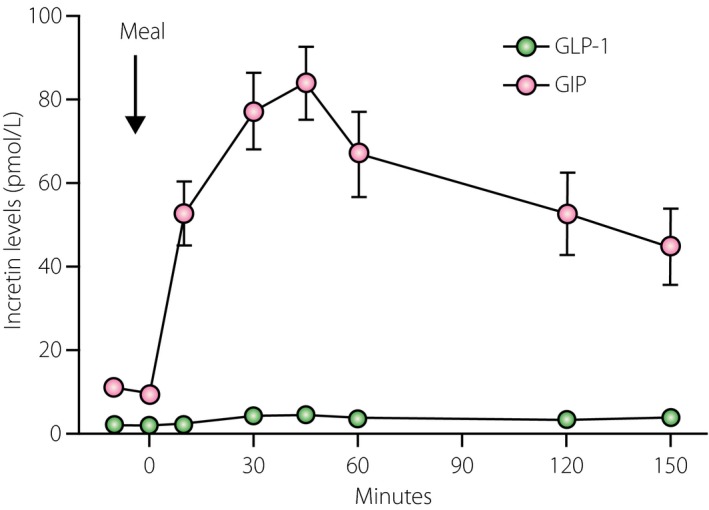
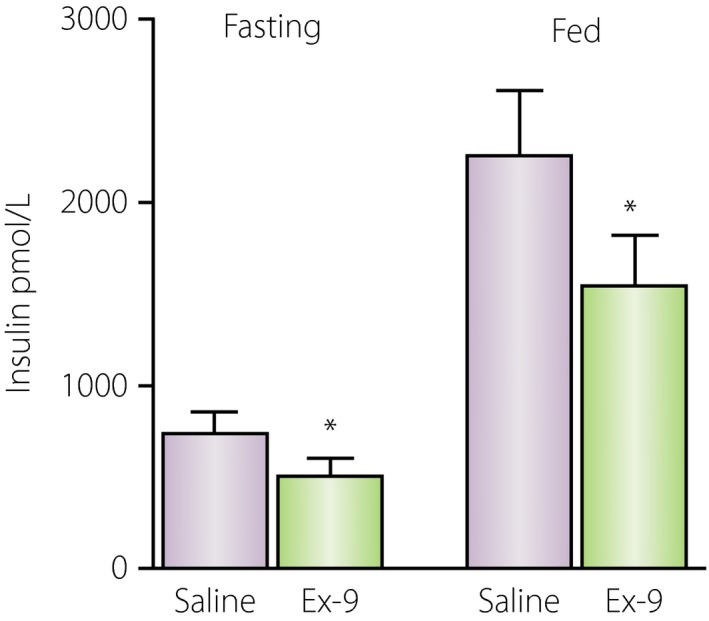
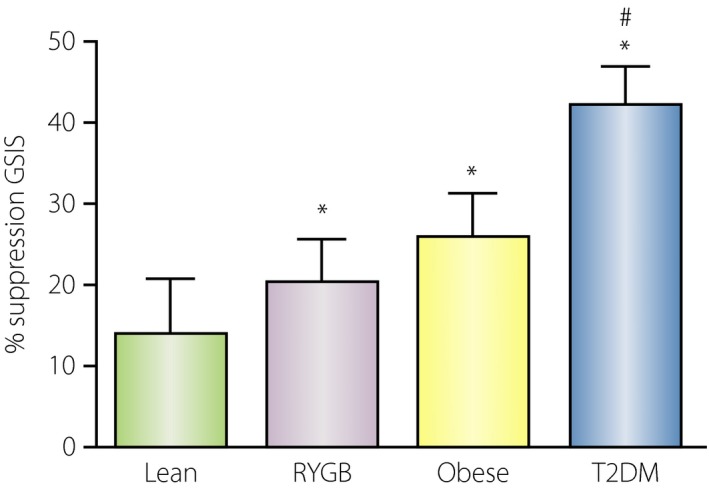
Glucagon-like peptide-1 (GLP-1) is a product of proglucagon cleavage synthesized in L cells in the intestinal mucosa, α-cells in the pancreatic islet, and neurons in the nucleus of the solitary tract. GLP-1 is essential for normal glucose tolerance and acts through a specific GLP-1 receptor that is expressed by islet β-cells as well as other cell types. Because plasma concentrations of GLP-1 increase following meal ingestion it has been generally presumed that GLP-1 acts as a hormone, communicating information from the intestine to the endocrine pancreas through the circulation. However, there are a number of problems with this model including low circulating concentrations of GLP-1 in plasma, limited changes after meal ingestion and rapid metabolism in the plasma. Moreover, antagonism of systemic GLP-1 action impairs insulin secretion in the fasting state, suggesting that the GLP-1r is active even when plasma GLP-1 levels are low and unchanging. Consistent with these observations, deletion of the GLP-1r from islet β-cells causes intolerance after IP or IV glucose, challenges that do not induce GLP-1 secretion. Taken together, these data support a model whereby GLP-1 acts through neural or paracrine mechanisms to regulate physiologic insulin secretion. In contrast, bariatric surgery seems to be a condition in which circulating GLP-1 could have an endocrine effect. Both gastric bypass and sleeve gastrectomy are associated with substantial increases in postprandial GLP-1 release and in these conditions interference with GLP-1r signaling has a significant impact on glucose regulation after eating. Thus, with either bariatric surgery or treatment with long-acting GLP-1r agonists, circulating peptide mediates insulinotropic activity. Overall, a case can be made that physiologic actions of GLP-1 are not hormonal, but that an endocrine mechanism of GLP-1r activation can be co-opted for therapeutics.
Keywords: Glucagon‐like peptide‐1; Incretin; Insulin secretion.
Figures
References
-
- Kieffer TJ, Habener JF. The glucagon‐like peptides. Endocr Rev 1999; 20: 876–913. - PubMed
-
- Campbell JE, Drucker DJ. Pharmacology, physiology, and mechanisms of incretin hormone action. Cell Metab 2013; 17: 819–837. - PubMed
-
- Creutzfeldt W, Nauck M. Gut hormones and diabetes mellitus. Diabetes Metab Rev 1992; 8: 149–177. - PubMed
-
- Holst JJ, Christensen M, Lund A, et al Regulation of glucagon secretion by incretins. Diabetes Obes Metab 2011; 13(Suppl 1): 89–94. - PubMed
-
- Vilsboll T, Krarup T, Deacon CF, et al Reduced postprandial concentrations of intact biologically active glucagon‐like peptide 1 in type 2 diabetic patients. Diabetes 2001; 50: 609–613. - PubMed
Publication types
MeSH terms
Substances
Grants and funding
LinkOut - more resources
Full Text Sources
Other Literature Sources
Medical
