


Solitary C1 Posterior Fixation for Unstable Isolated Atlas Fractures: Case Report and Systematic Review of the Literature
- PMID: 27190741
- PMCID: PMC4868582
- DOI: 10.1055/s-0035-1564806
Solitary C1 Posterior Fixation for Unstable Isolated Atlas Fractures: Case Report and Systematic Review of the Literature
Abstract
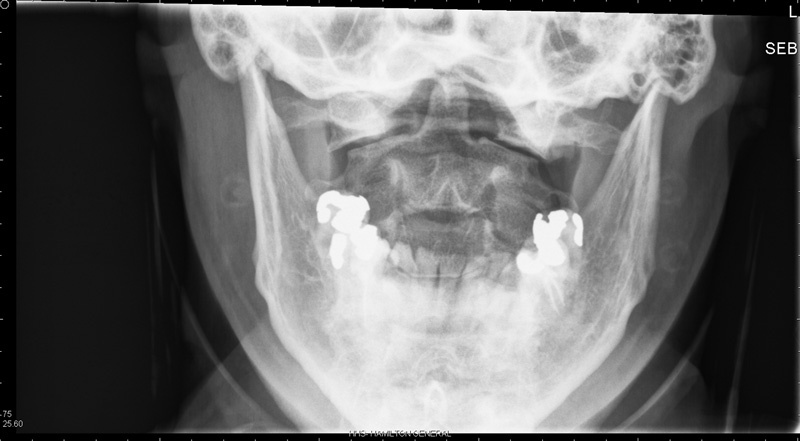
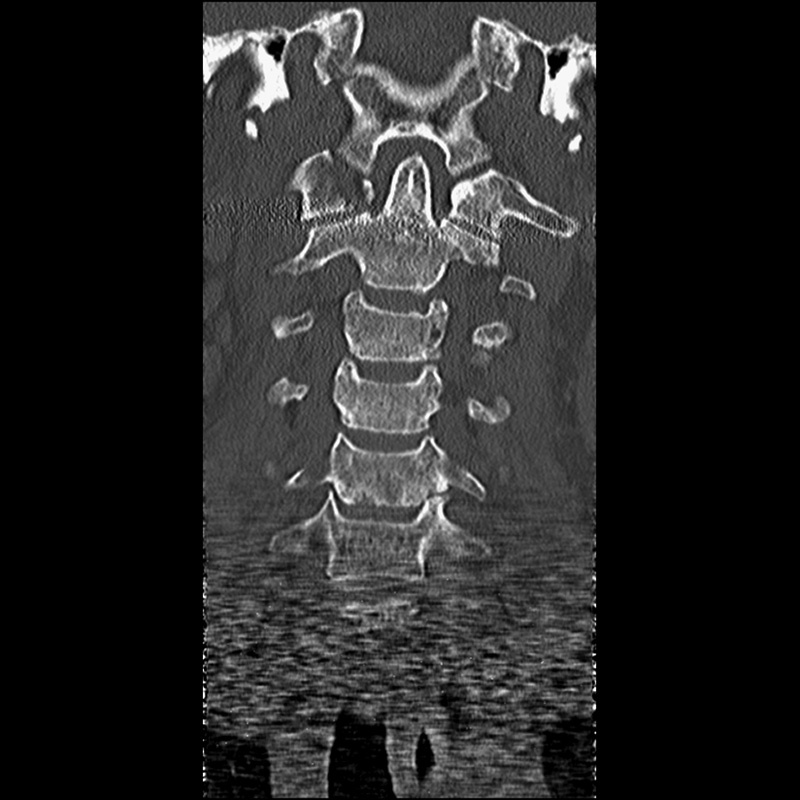
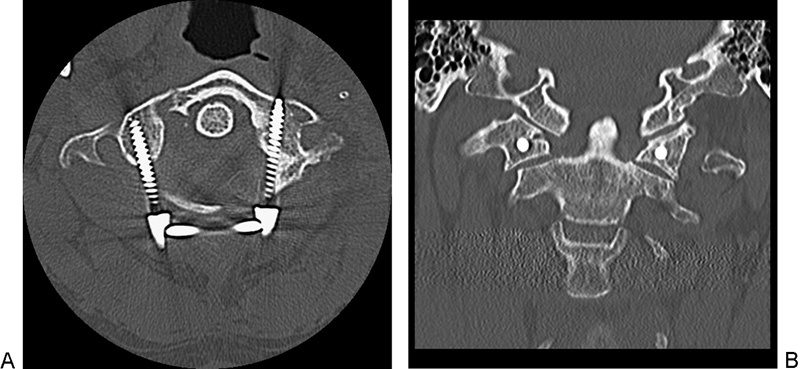
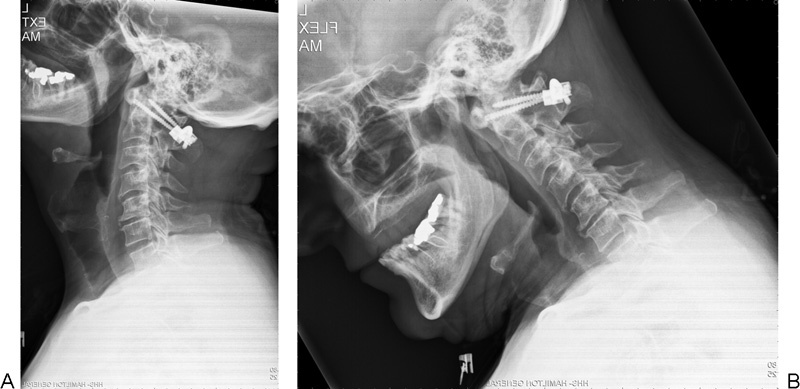
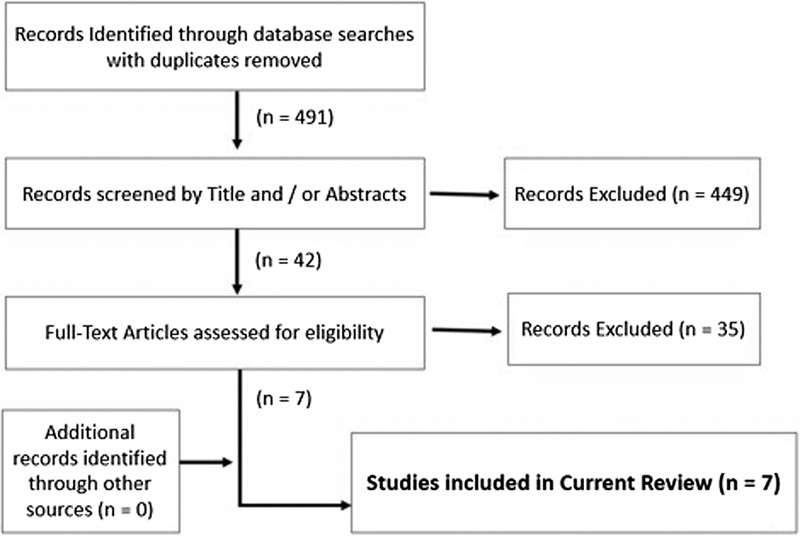
Study Design A systematic review of the literature. Objectives To review the published results to date of motion-preserving direct reconstruction of C1 ring fractures with combined coronal plane displacement of at least 7 mm (rule of Spence) and so at risk for Dickman type I or II disruption of the transverse atlantal ligament (TAL). Methods A structured literature review prompted by successful management of a typical case. Results To date only 65 such cases are reported and follow-up is almost uniformly short. Although reported clinical success is uniform, the case mix is heterogenous and confirmation/classification of ligamentous injury at baseline is often lacking. Conclusions Direct C1 stabilization shows promise as a "more selective" option in managing displaced atlas fractures with probable TAL disruption but cannot yet be recommended as a practice standard. Prospective clinical studies are indicated and should be structured so as to differentiate between Dickman type I and type II injuries of the TAL.
Keywords: atlas; displacement; fracture; instability; transverse atlantal ligament.
Conflict of interest statement
Figures
References
-
- Jefferson G. Fractures of the atlas vertebra. Report of four cases and a review of those previously recorded. Br J Surg. 1919;7(27):407–422.
-
- Spence K F Jr, Decker S, Sell K W. Bursting atlantal fracture associated with rupture of the transverse ligament. J Bone Joint Surg Am. 1970;52(3):543–549. - PubMed
-
- Landells C D, Van Peteghem P K. Fractures of the atlas: classification, treatment and morbidity. Spine (Phila Pa 1976) 1988;13(5):450–452. - PubMed
-
- Dickman C A, Greene K A, Sonntag V K. Injuries involving the transverse atlantal ligament: classification and treatment guidelines based upon experience with 39 injuries. Neurosurgery. 1996;38(1):44–50. - PubMed
Publication types
LinkOut - more resources
Full Text Sources
Other Literature Sources
Miscellaneous
