


Induction of apoptosis by HBI-8000 in adult T-cell leukemia/lymphoma is associated with activation of Bim and NLRP3
- PMID: 27193821
- PMCID: PMC4982578
- DOI: 10.1111/cas.12971
Induction of apoptosis by HBI-8000 in adult T-cell leukemia/lymphoma is associated with activation of Bim and NLRP3
Abstract
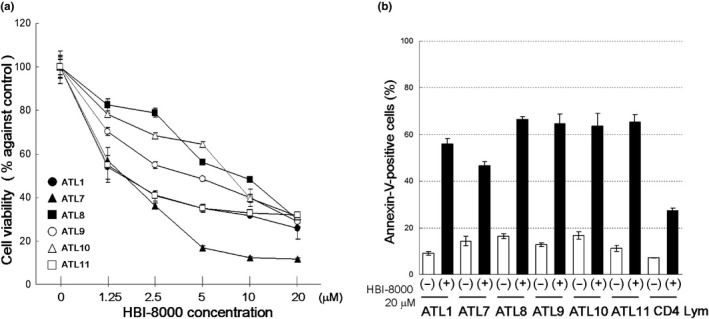
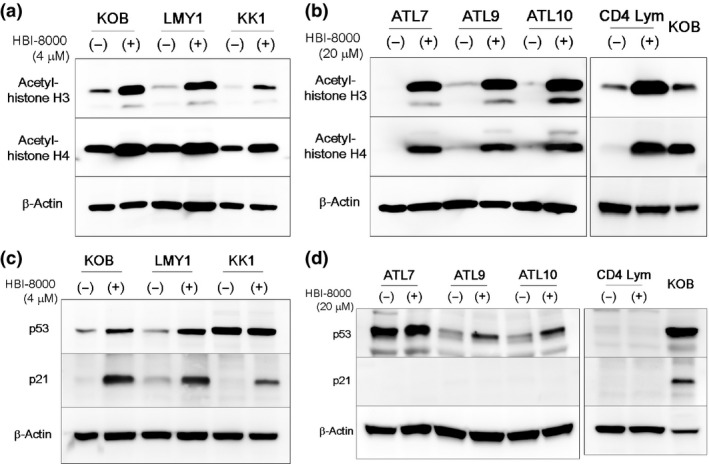
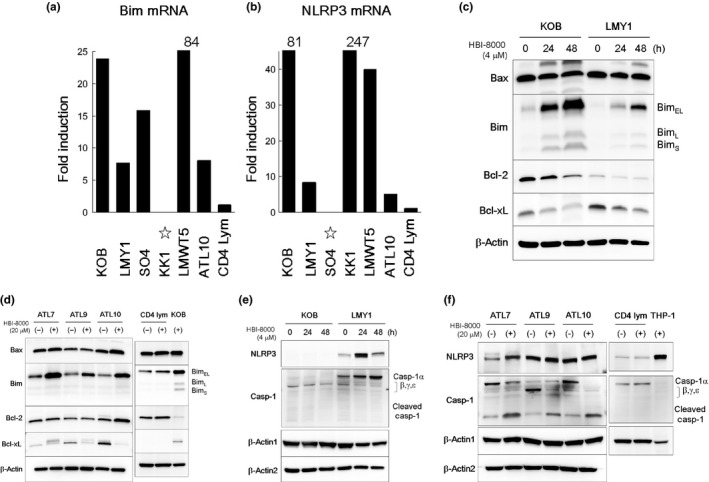
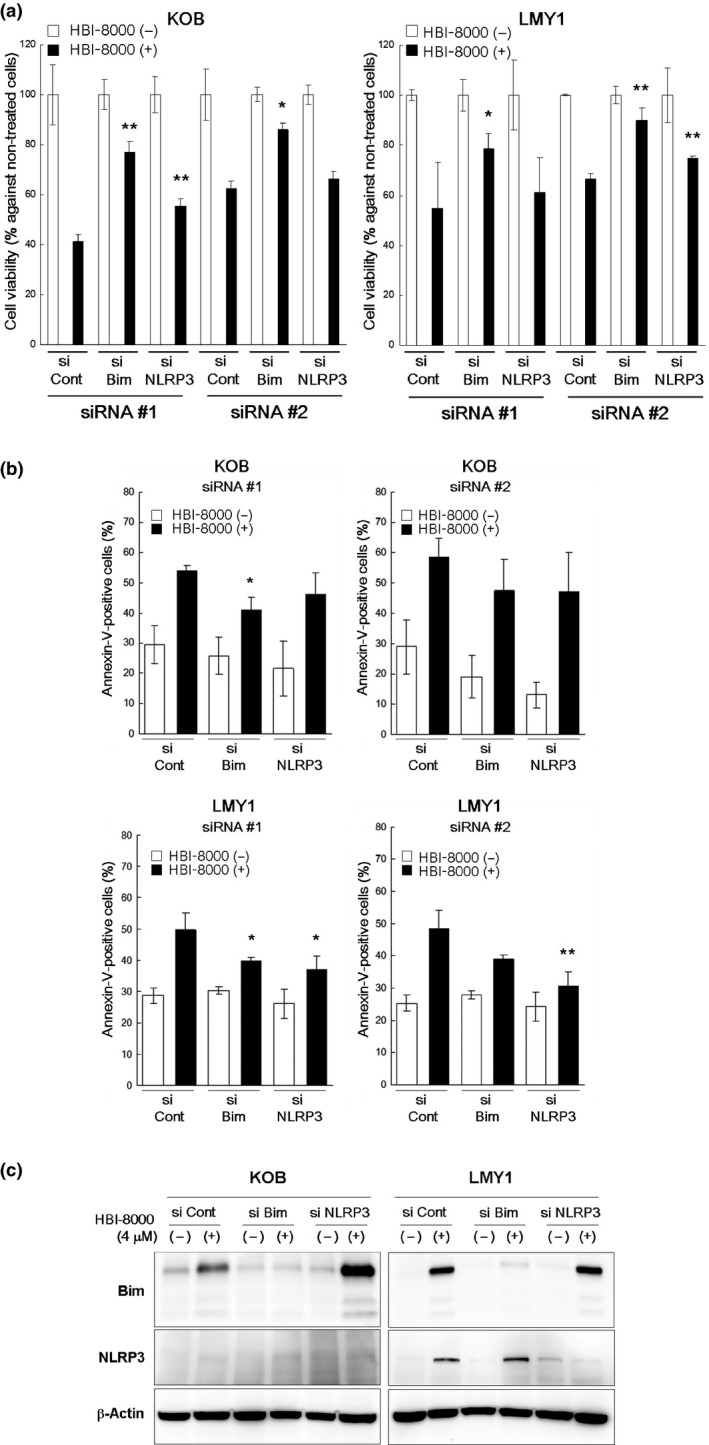
Adult T-cell leukemia/lymphoma (ATL) is an aggressive T-cell malignancy caused by human T-cell lymphotropic virus 1. Treatment options for acute ATL patients include chemotherapy, stem cell transplantation, and recently the anti-chemokine (C-C motif) receptor 4 antibody, although most patients still have a poor prognosis and there is a clear need for additional options. HBI-8000 is a novel oral histone deacetylase inhibitor with proven efficacy for treatment of T-cell lymphomas that recently received approval in China. In the present study, we evaluated the effects of HBI-8000 on ATL-derived cell lines and primary cells obtained from Japanese ATL patients. In most cases HBI-8000 induced apoptosis in both primary ATL cells and cell lines. In addition, findings obtained with DNA microarray suggested Bim activation and, interestingly, the contribution of the NLR family, pyrin domain containing 3 (NLRP3) inflammasome pathway in HBI-8000-induced ATL cell death. Further investigations using siRNAs confirmed that Bim contributes to HBI-8000-induced apoptosis. Our results provide a rationale for a clinical investigation of the efficacy of HBI-8000 in patients with ATL. Although the role of NLRP3 inflammasome activation in ATL cell death remains to be verified, HBI-8000 may be part of a novel therapeutic strategy for cancer based on the NLRP3 pathway.
Keywords: Adult T-cell leukemia lymphoma; Bim; NLRP3; apoptosis; histone deacetylase inhibitors.
© 2016 The Authors. Cancer Science published by John Wiley & Sons Australia, Ltd on behalf of Japanese Cancer Association.
Figures

References
-
- Shimoyama M. Diagnostic criteria and classification of clinical subtypes of adult T‐cell leukaemia‐lymphoma. A report from the Lymphoma Study Group (1984–87). Br J Haematol 1991; 79: 428–37. - PubMed
-
- Tsukasaki K, Tobinai K. Biology and treatment of HTLV‐1 associated T‐cell lymphomas. Best Pract Res Clin Haematol. 2013; 26: 3–14. - PubMed
-
- Ishitsuka K, Tamura K. Human T‐cell leukaemia virus type I and adult T‐cell leukaemia‐lymphoma. Lancet Oncol. 2014; 15: e517–26. - PubMed
-
- Yoshie O, Fujisawa R, Nakayama T et al Frequent expression of CCR4 in adult T‐cell leukemia and human T‐cell leukemia virus type 1‐transformed T cells. Blood 2002; 99: 1505–11. - PubMed
-
- Ishida T, Utsunomiya A, Iida S et al Clinical significance of CCR4 expression in adult T‐cell leukemia/lymphoma: its close association with skin involvement and unfavorable outcome. Clin Cancer Res 2003; 9: 3625–34. - PubMed
MeSH terms
Substances
Associated data
- Actions
- Actions
- Actions
LinkOut - more resources
Full Text Sources
Other Literature Sources
Research Materials
