Role of preprocedural rinse and high volume evacuator in reducing bacterial contamination in bioaerosols
- PMID: 27194863
- PMCID: PMC4860938
- DOI: 10.4103/0973-029X.180931
Role of preprocedural rinse and high volume evacuator in reducing bacterial contamination in bioaerosols
Abstract
Context: Microbial contamination, which occurs during dental procedures, has been a potential threat to dental professionals and individuals. There has been a growing concern over the role of bioaerosols in spread of various airborne infections and also to reduce the risk of bioaerosol contamination.
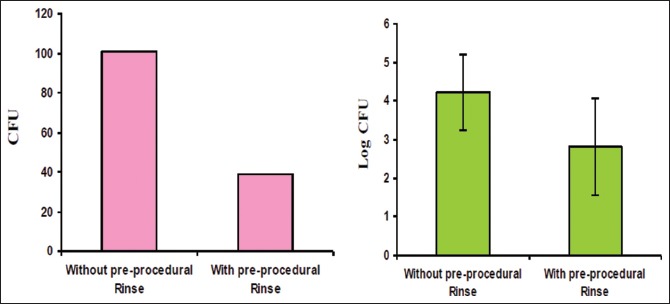
Aims: This study was to analyze the number of colony forming units (CFUs) in bioaerosols generated during ultrasonic scaling procedure as well as to evaluate the efficacy of chlorhexidine 0.12% (CHX) preprocedural mouth rinse and high volume evacuator (HVE) in minimizing the bioaerosol contamination.
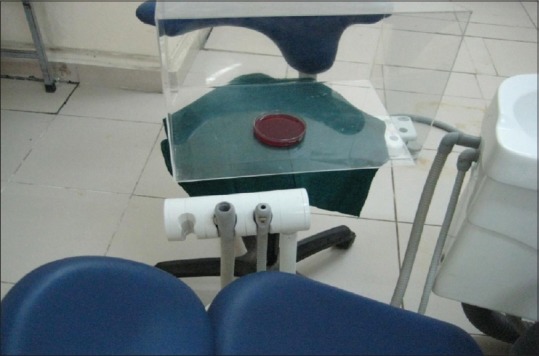
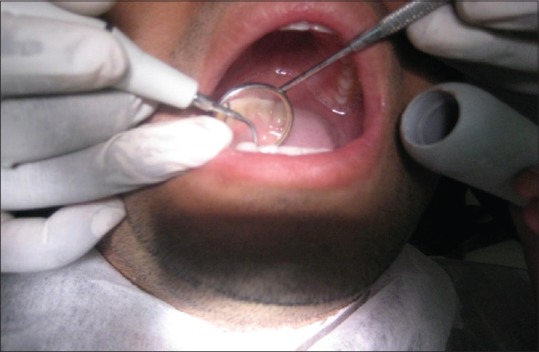
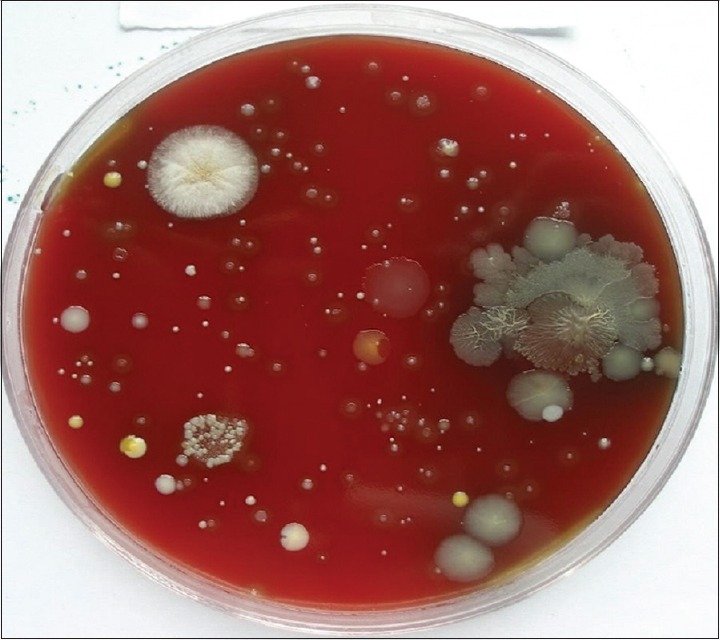
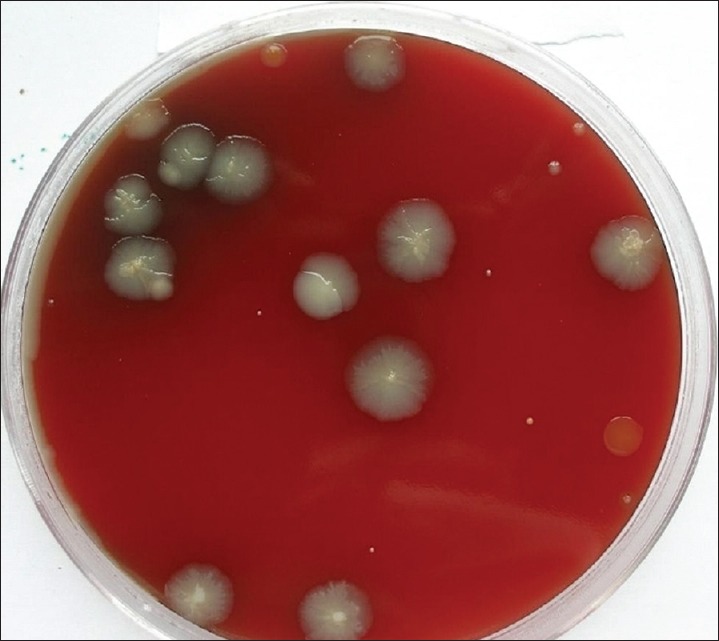
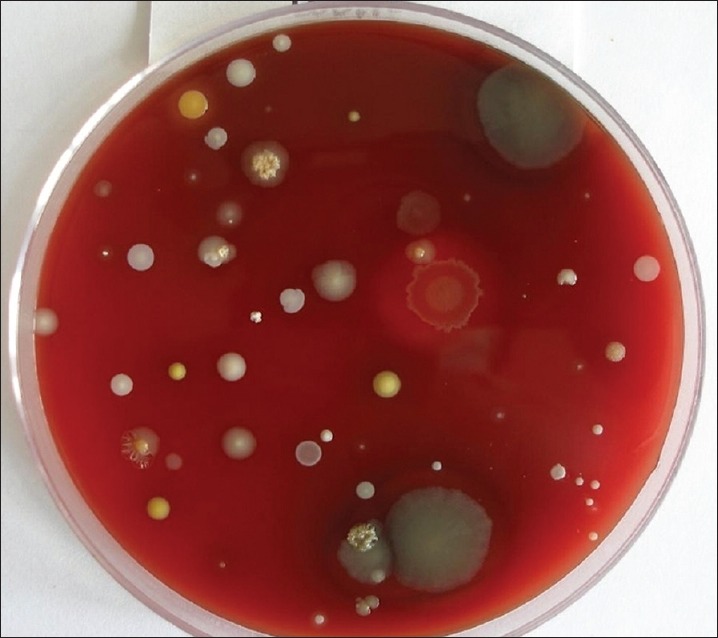
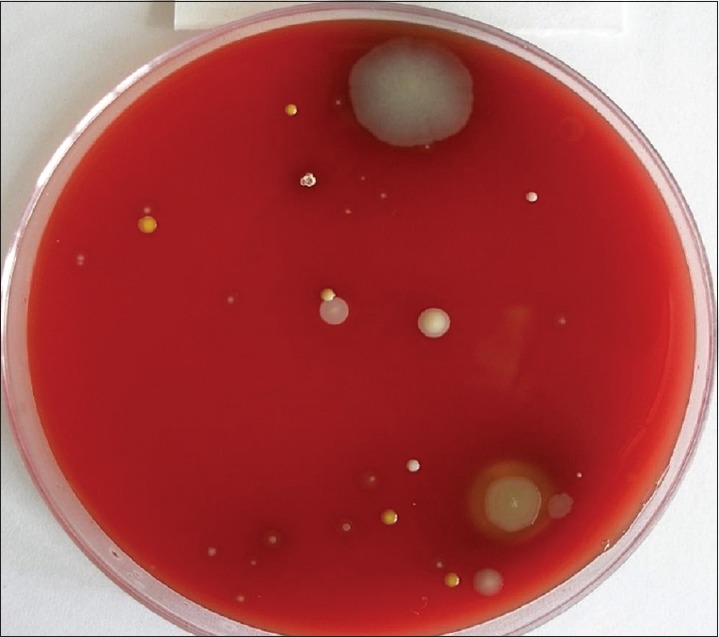
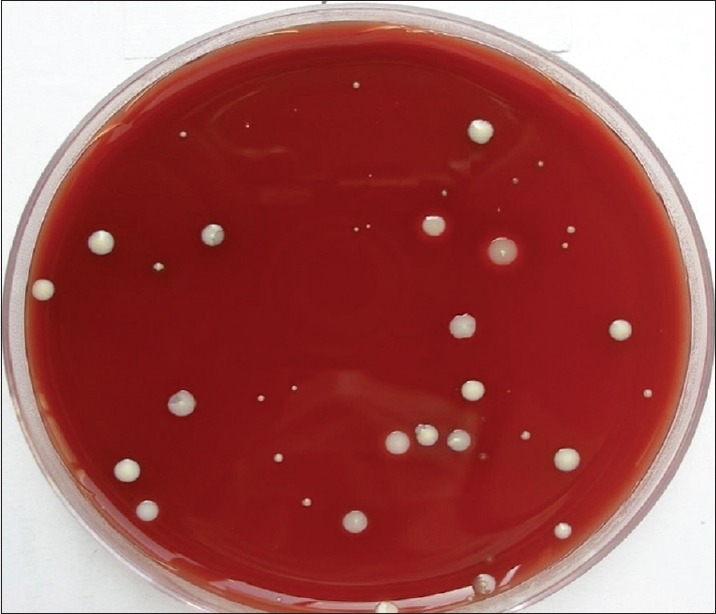
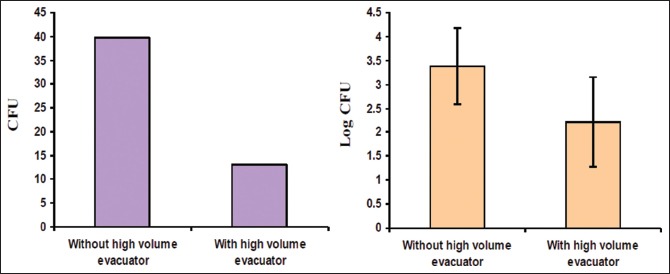
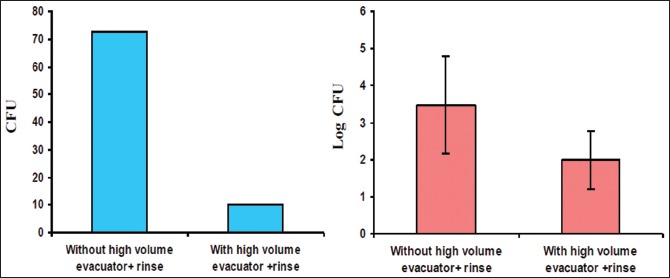
Methods: About 45 individuals were divided into three Groups A, B and C. These groups underwent ultrasonic scaling before and after the use of CHX (0.12%), HVE and combination of CHX (0.12%) and HVE. Bioaerosols were collected on blood agar plates which were incubated at 37°C for 48 h, and the CFUs were counted with manual colony counting device. A comparison was also done between A versus B, B versus C and A versus C groups.
Statistical analysis used: Student's t-test.
Results: We found a significant reduction in the CFUs when CHX (0.12%) preprocedural rinse (P < 0), or HVE (P < 0.001) or combination of both CHX (0.12%) and HVE were employed (P < 0.001). Maximum reduction in CFUs was observed when CHX (0.12%) and HVE were used in combination as compared to their individual use. A moderate significance was seen between A versus C groups but not with B versus C groups and A versus B groups.
Conclusion: From our study, we conclude that individual methods such as CHX (0.12%) and HVE were useful to reduce the dental bioaerosols; however, combination of both CHX (0.12%) and HVE is more efficient to reduce dental bioaerosols than individual method.
Keywords: Bioaerosols; chlorhexidine; colony forming units; high volume evacuator.
Figures

References
-
- Harrel SK. Airborne spread of disease – The implications for dentistry. J Calif Dent Assoc. 2004;32:901–6. - PubMed
-
- Barnes JB, Harrel SK, Rivera-Hidalgo F. Blood contamination of the aerosols produced by in vivo use of ultrasonic scalers. J Periodontol. 1998;9:434–8. - PubMed
-
- Walmsley AD, Walsh TF, Laird WRE, Williams AR. Effect of cavitational activity on the root surfaces of teeth during ultrasonic scaling. J Clin Periodontol. 1990;17:306–12. - PubMed
-
- Trenter SC, Walmsley AD. Ultrasonic dental scaler: Associated hazards. J Clin Periodontol. 2003;30:95–101. - PubMed
LinkOut - more resources
Full Text Sources
Other Literature Sources