


Epidemiology of Obesity and Diabetes and Their Cardiovascular Complications
- PMID: 27230638
- PMCID: PMC4887150
- DOI: 10.1161/CIRCRESAHA.115.306825
Epidemiology of Obesity and Diabetes and Their Cardiovascular Complications
Abstract
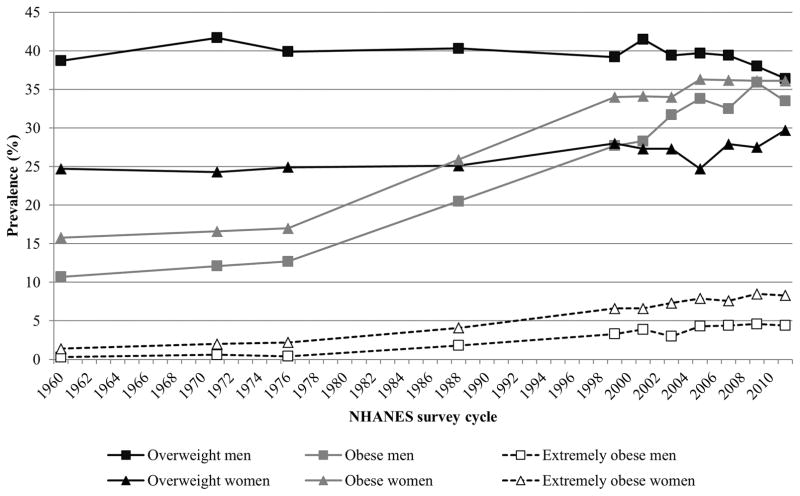
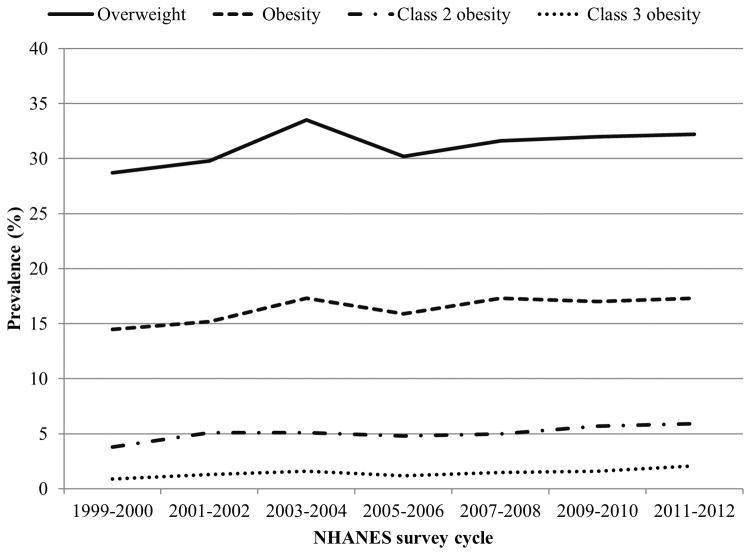
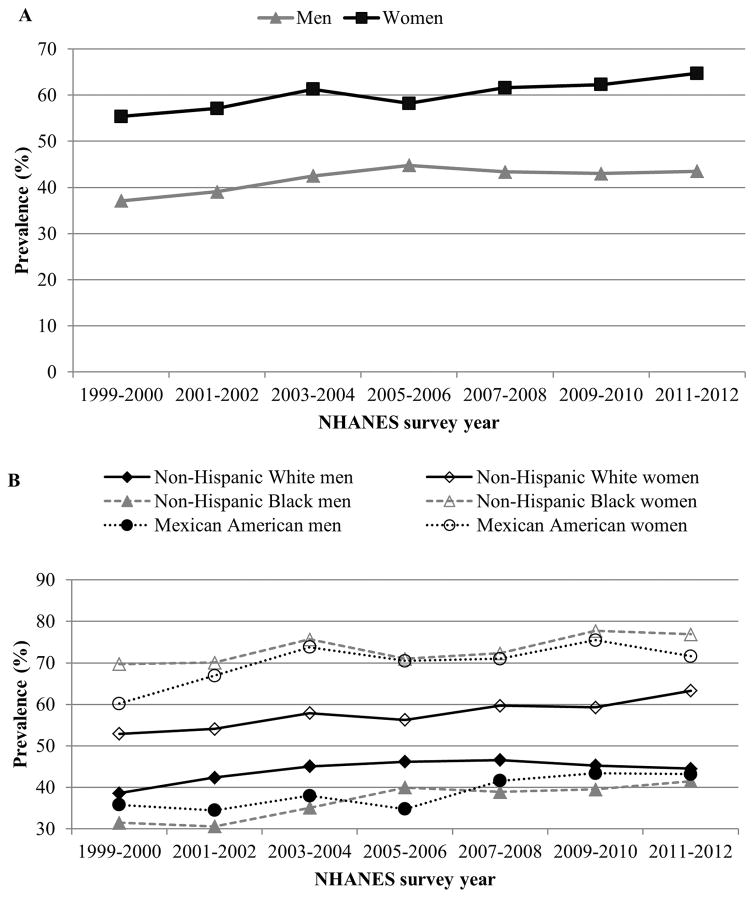
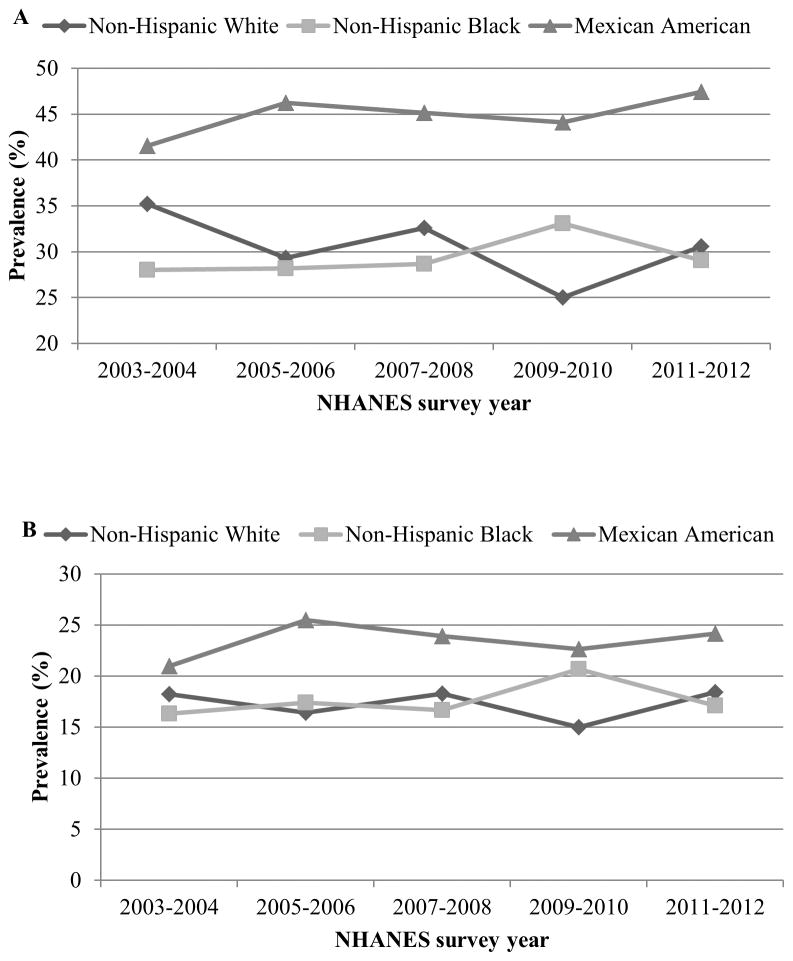
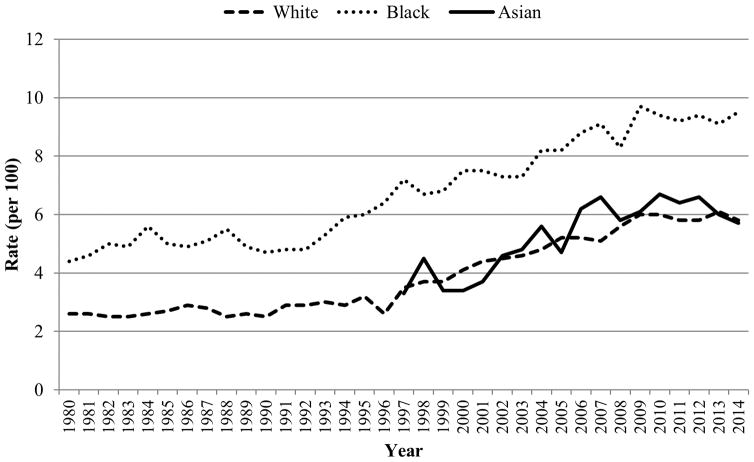
Obesity and diabetes mellitus have reached epidemic proportions in the past few years. During 2011 to 2012, more than one-third of the US population was obese. Although recent trend data indicate that the epidemic has leveled off, prevalence of abdominal obesity continues to rise, especially among adults. As seen for obesity, the past few decades have seen a doubling of the diabetes mellitus incidence with an increasing number of type 2 diabetes mellitus cases being diagnosed in children. Significant racial and ethnic disparities exist in the prevalence and trends of obesity and diabetes mellitus. In general, in both adults and children, non-Hispanic blacks and Mexican Americans seem to be at a high risk than their non-Hispanic white counterparts. Secular changes in agricultural policies, diet, food environment, physical activity, and sleep have all contributed to the upward trends in the diabesity epidemic. Despite marginal improvements in physical activity and the US diet, the food environment has changed drastically to an obesogenic one with increased portion sizes and limited access to healthy food choices especially for disadvantaged populations. Interventions that improve the food environment are critical as both obesity and diabetes mellitus raise the risk of cardiovascular disease by ≈2-fold. Among those with type 2 diabetes mellitus, significant sex differences occur in the risk of cardiovascular disease such that diabetes mellitus completely eliminates or attenuates the advantages of being female. Given the substantial burden of obesity and diabetes mellitus, future research efforts should adopt a translational approach to find sustainable and holistic solutions in preventing these costly diseases.
Keywords: adolescents; adults; cardiovascular disease; diabetes mellitus; epidemiology; obesity; stroke.
© 2016 American Heart Association, Inc.
Figures
References
-
- Dabelea D, Bell RA, D’Agostino RB, Jr, Imperatore G, Johansen JM, Linder B, Liu LL, Loots B, Marcovina S, Mayer-Davis EJ, Pettitt DJ, Waitzfelder B. Incidence of diabetes in youth in the united states. JAMA. 2007;297:2716–2724. - PubMed
-
- Mozaffarian D, Benjamin EJ, Go AS, et al. Heart disease and stroke statistics--2015 update: A report from the american heart association. Circulation. 2015;131:e29–322. - PubMed
-
- Dall TM, Yang W, Halder P, Pang B, Massoudi M, Wintfeld N, Semilla AP, Franz J, Hogan PF. The economic burden of elevated blood glucose levels in 2012: Diagnosed and undiagnosed diabetes, gestational diabetes mellitus, and prediabetes. Diabetes care. 2014;37:3172–3179. - PubMed
-
- Lloyd-Jones DM, Hong Y, Labarthe D, et al. Defining and setting national goals for cardiovascular health promotion and disease reduction: The american heart association’s strategic impact goal through 2020 and beyond. Circulation. 2010;121:586–613. - PubMed
Publication types
MeSH terms
Grants and funding
LinkOut - more resources
Full Text Sources
Other Literature Sources
Medical
Miscellaneous
