Review
. 2016 Jul;41(7):595-609.
doi: 10.1016/j.tibs.2016.04.010. Epub 2016 May 25.

Catalytic DNA: Scope, Applications, and Biochemistry of Deoxyribozymes

Affiliations
Review

Catalytic DNA: Scope, Applications, and Biochemistry of Deoxyribozymes

Scott K Silverman. Trends Biochem Sci. 2016 Jul.

Abstract

The discovery of natural RNA enzymes (ribozymes) prompted the pursuit of artificial DNA enzymes (deoxyribozymes) by in vitro selection methods. A key motivation is the conceptual and practical advantages of DNA relative to proteins and RNA. Early studies focused on RNA-cleaving deoxyribozymes, and more recent experiments have expanded the breadth of catalytic DNA to many other reactions. Including modified nucleotides has the potential to widen the scope of DNA enzymes even further. Practical applications of deoxyribozymes include their use as sensors for metal ions and small molecules. Structural studies of deoxyribozymes are only now beginning; mechanistic experiments will surely follow. Following the first report 21 years ago, the field of deoxyribozymes has promise for both fundamental and applied advances in chemistry, biology, and other disciplines.

Keywords: DNA catalyst; DNA enzyme; DNAzyme; catalytic DNA; deoxyribozyme.


Figures

Figure 1
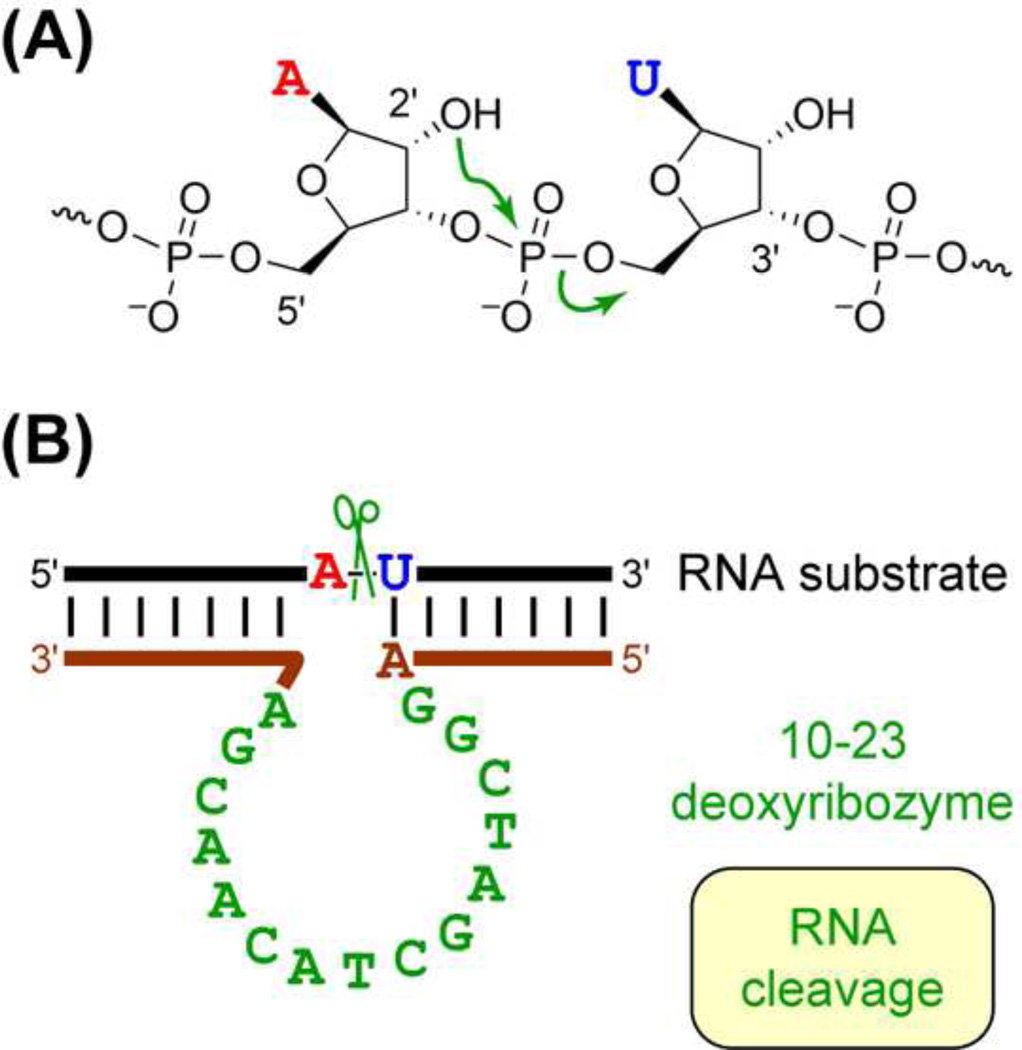
Figure 1. DNA-Catalyzed RNA Cleavage
(A) RNA cleavage reaction, in which the 2′-hydroxyl group attacks the adjacent phosphodiester bond. (B) The 10–23 deoxyribozyme that cleaves RNA [37]. Note the Watson-Crick base-pairing interactions between deoxyribozyme and RNA cleavage substrate.
Figure 2
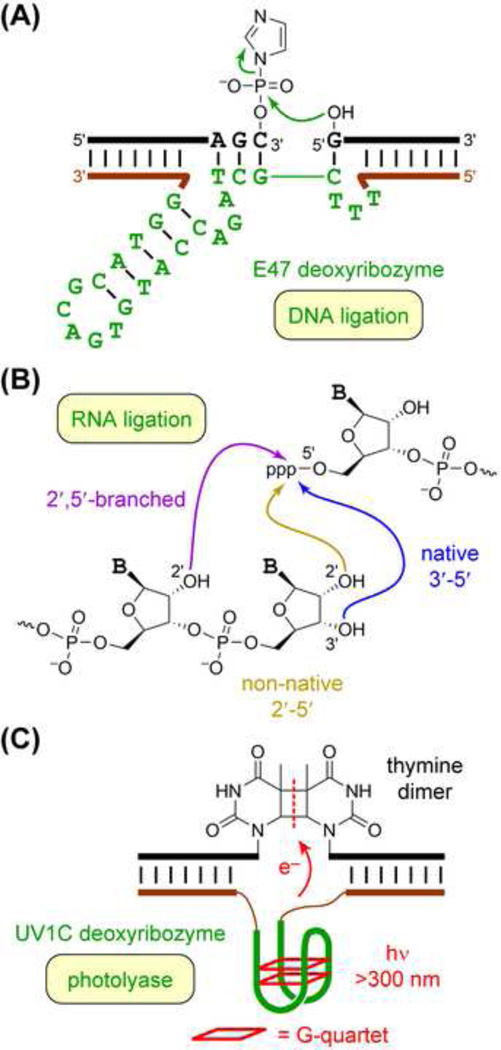
Figure 2. Reactions of Oligonucleotide Substrates Catalyzed by Deoxyribozymes
(A) DNA ligation by the E47 deoxyribozyme [42]. (B) RNA ligation by reaction of 3′-hydroxyl or 2′-hydroxyl and 5′-triphosphate, with formation of various linear and branched linkages [18,43]. RNA ligase deoxyribozymes can also join the Figure 1A products of DNA-catalyzed RNA cleavage, 5′-hydroxyl and 2′,3′-cyclic phosphate. (C) Thymine dimer photoreversion by the UV1C deoxyribozyme (photolyase activity) [60].
Figure 3
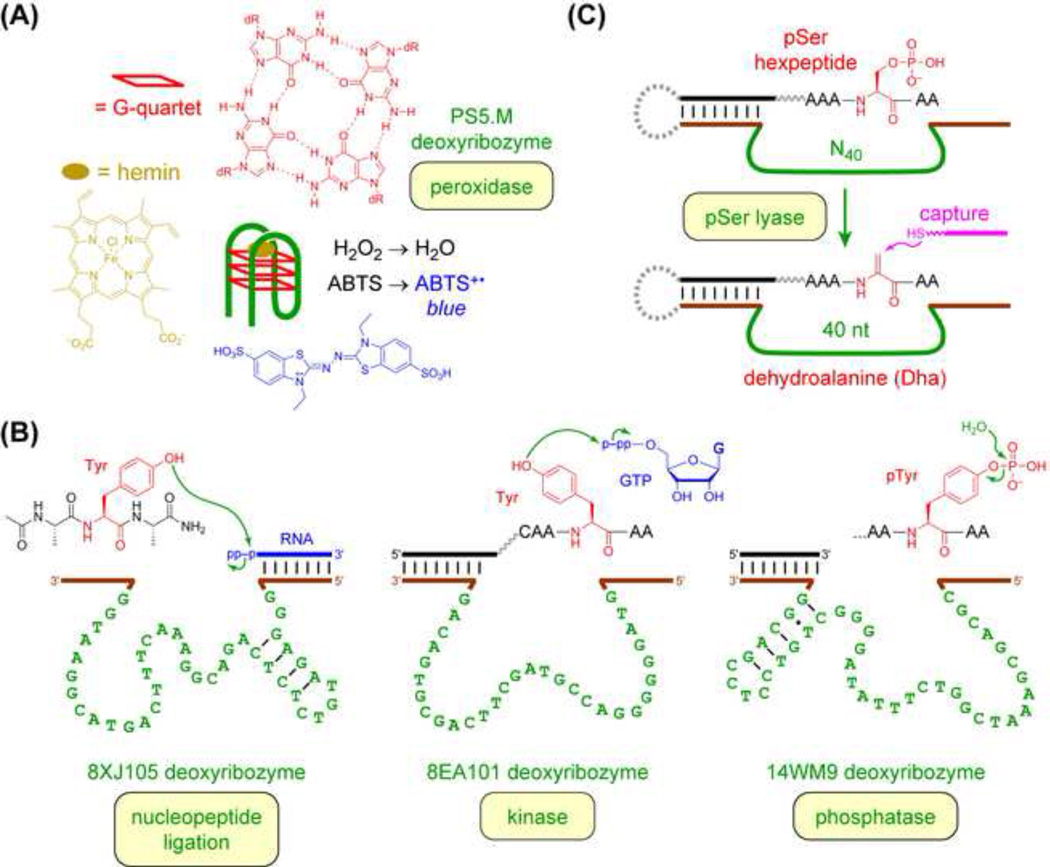
Figure 3. Reactions of Non-Oligonucleotide Substrates Catalyzed by Deoxyribozymes
(A) Peroxidase activity by a G-quadruplex deoxyribozyme [66,67]. (B) Examples of DNA-catalyzed peptide side chain and backbone modification [,–74]. (C) Capture step during in vitro selection for identification of deoxyribozymes that form dehydroalanine (Dha) from phosphoserine (pSer) [74].
Figure 4
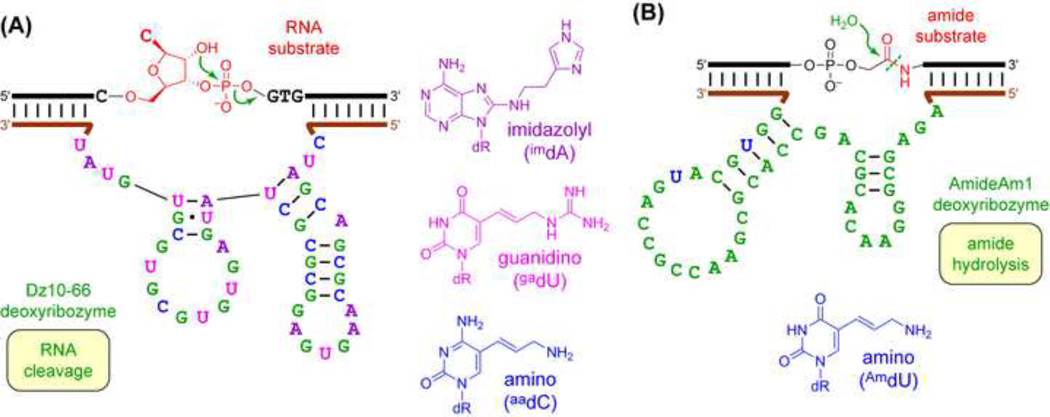
Figure 4. Modified DNA Nucleotides in Deoxyribozymes
(A) M2+-independent RNA-cleaving Dz10–66 deoxyribozyme, with three kinds of modified nucleotide [84]. The substrate has a single RNA nucleotide embedded within a DNA sequence. (B) AmideAm1 deoxyribozyme for amide bond hydrolysis, with amine-modified nucleotides [86].
Figure 5
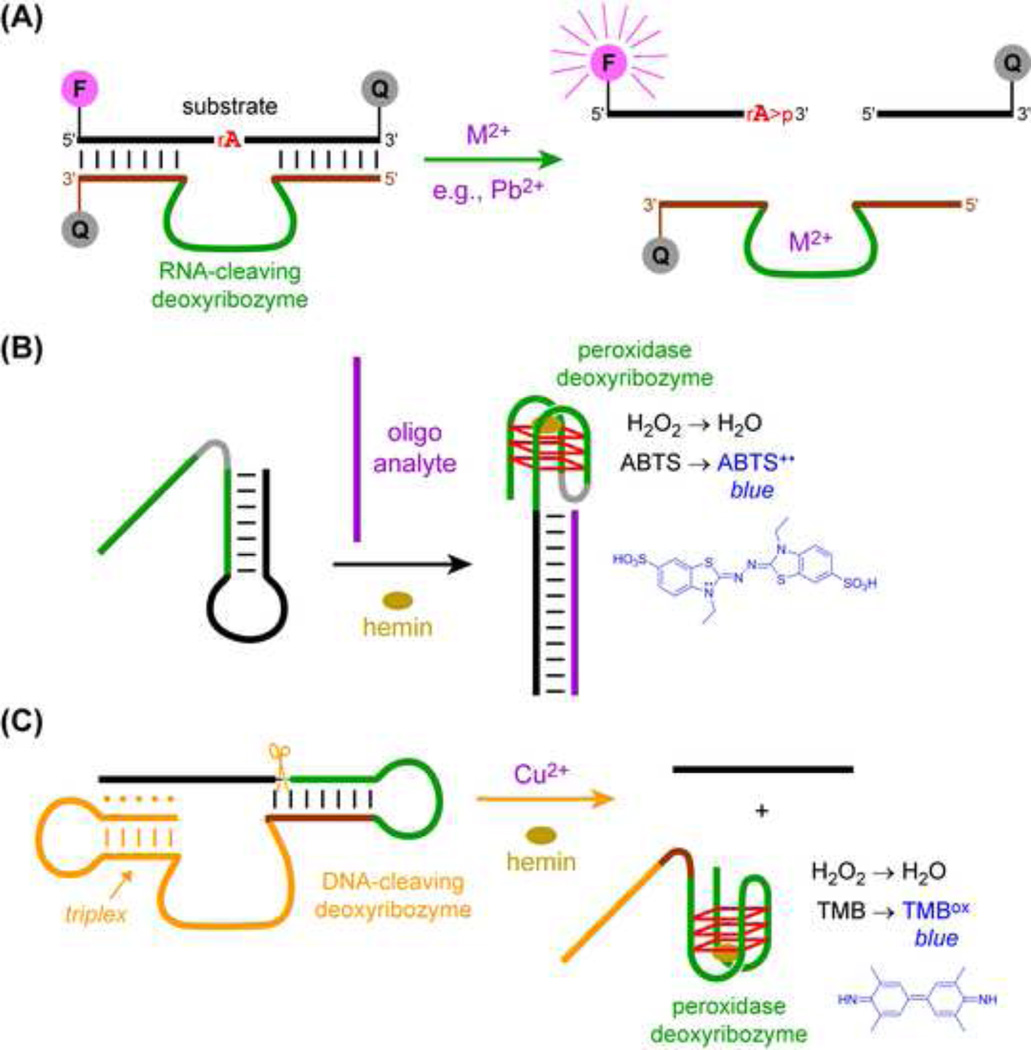
Figure 5. Sensor Applications of Deoxyribozymes
(A) RNA-cleaving deoxyribozymes activated by specific metal ions (Mn+). In the illustrated example, M2+-dependent RNA cleavage separates a fluorophore (F) from its quenchers (Q), leading to a fluorescence signal [101]. (B) Oligonucleotide detection by a G-quadruplex peroxidase deoxyribozyme that functions by strand displacement [110]. In the presence of the oligonucleotide analyte and the porphyrin hemin, the deoxyribozyme uses H2O2 to oxidize the small-molecule substrate ABTS, 2,2′-azino-bis(3-ethylbenzothiazoline-6-sulfonic acid), forming a colored product. (C) Cu2+ detection by a G-quadruplex peroxidase deoxyribozyme, triggered by Cu2+-dependent DNA-catalyzed RNA cleavage [112]. Release of the DNA fragment allows Gquadruplex formation, and the peroxidase deoxyribozyme then uses H2O2 to oxidize the small-molecule substrate TMB, 3,3′,5,5′-tetramethylbenzidine, forming a colored product.
Figure 6
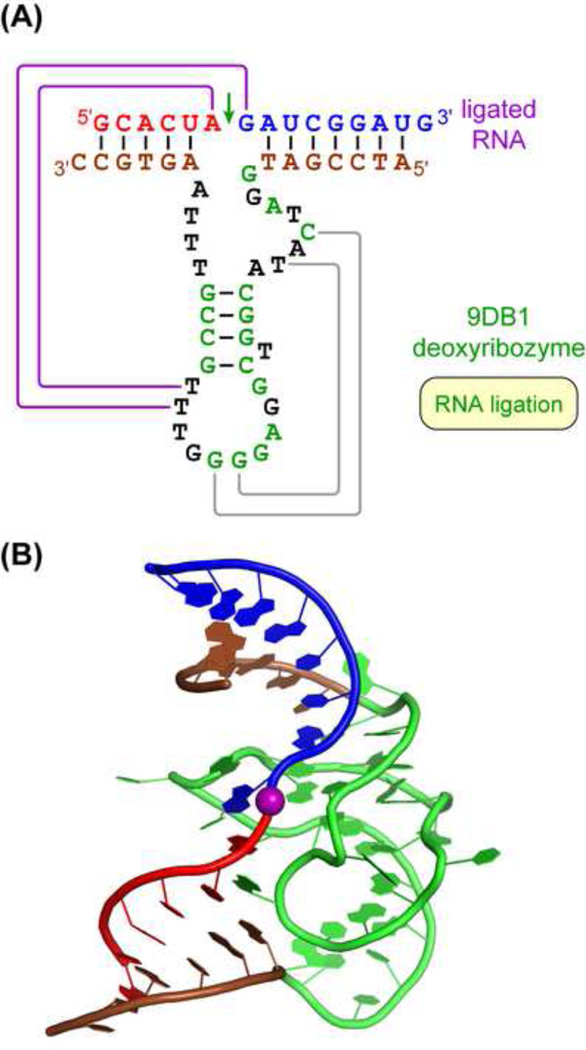
Figure 6. The First Deoxyribozyme Crystal Structure [114]
(A) Double pseudoknot secondary structure of the minimized 9DB1 deoxyribozyme that ligates RNA, bound to its ligation product. Red and blue denote the two halves of the RNA product, corresponding to the two RNA substrates. The deoxyribozyme binding arms are brown; black and green nucleotides are nonconserved and conserved core nucleotides, respectively. Pseudoknot interactions are purple and grey lines. Two adjacent T residues of the deoxyribozyme interact with the A and G nucleotides in the RNA product at the ligation junction (purple lines), enabling general RNA ligation by covariation of these nucleotides. (B) Three-dimensional structure, with same colors as panel A except the entire core of the deoxyribozyme is green. The ligation site is marked with a purple sphere. Nucleobases are shown explicitly; the remainder of each nucleotide is shown in ribbon form. Image courtesy of C. Höbartner (PDB 5ckk).

References

    1. Kruger K, et al. Self-splicing RNA: autoexcision and autocyclization of the ribosomal RNA intervening sequence of Tetrahymena. Cell. 1982;31:147–157. - PubMed
    1. Guerrier-Takada C, et al. The RNA moiety of ribonuclease P is the catalytic subunit of the enzyme. Cell. 1983;35:849–857. - PubMed
    1. Higgs PG, Lehman N. The RNA World: molecular cooperation at the origins of life. Nat. Rev. Genet. 2015;16:7–17. - PubMed
    1. Pressman A, et al. The RNA World as a Model System to Study the Origin of Life. Curr. Biol. 2015;25:R953–R963. - PubMed
    1. Jimenez RM, et al. Chemistry and Biology of Self-Cleaving Ribozymes. Trends Biochem. Sci. 2015;40:648–661. - PMC - PubMed

Publication types

MeSH terms