


A diagnostic model for chronic hypersensitivity pneumonitis
- PMID: 27245779
- PMCID: PMC5530732
- DOI: 10.1136/thoraxjnl-2016-208286
A diagnostic model for chronic hypersensitivity pneumonitis
Abstract
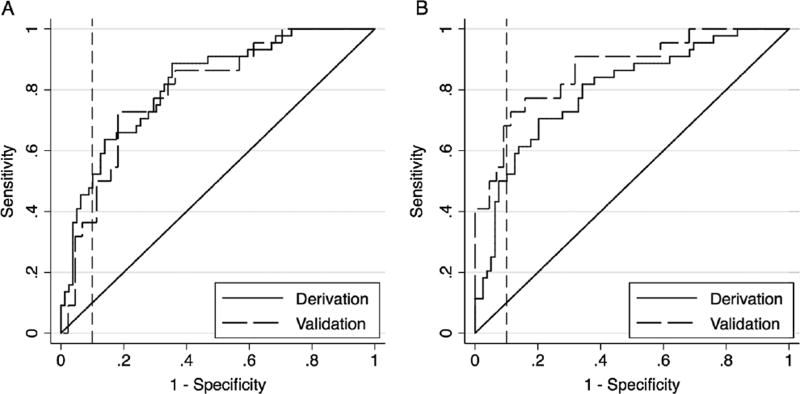
The objective of this study was to develop a diagnostic model that allows for a highly specific diagnosis of chronic hypersensitivity pneumonitis using clinical and radiological variables alone. Chronic hypersensitivity pneumonitis and other interstitial lung disease cases were retrospectively identified from a longitudinal database. High-resolution CT scans were blindly scored for radiographic features (eg, ground-glass opacity, mosaic perfusion) as well as the radiologist's diagnostic impression. Candidate models were developed then evaluated using clinical and radiographic variables and assessed by the cross-validated C-statistic. Forty-four chronic hypersensitivity pneumonitis and eighty other interstitial lung disease cases were identified. Two models were selected based on their statistical performance, clinical applicability and face validity. Key model variables included age, down feather and/or bird exposure, radiographic presence of ground-glass opacity and mosaic perfusion and moderate or high confidence in the radiographic impression of chronic hypersensitivity pneumonitis. Models were internally validated with good performance, and cut-off values were established that resulted in high specificity for a diagnosis of chronic hypersensitivity pneumonitis.
Keywords: Clinical Epidemiology; Hypersensitivity pneumonitis; Interstitial Fibrosis.
Published by the BMJ Publishing Group Limited. For permission to use (where not already granted under a licence) please go to http://www.bmj.com/company/products-services/rights-and-licensing/
Figures
References
-
- Selman M, Pardo A, King TE., Jr Hypersensitivity pneumonitis: insights in diagnosis and pathobiology. Am J Respir Crit Care Med. 2012;186:314–24. - PubMed
-
- Lynch DA, Newell JD, Logan PM, et al. Can CT distinguish hypersensitivity pneumonitis from idiopathic pulmonary fibrosis? AJR Am J Roentgenol. 1995;165:807–11. - PubMed
-
- Mooney JJ, Elicker BM, Urbania TH, et al. Radiographic fibrosis score predicts survival in hypersensitivity pneumonitis. Chest. 2013;144:586–92. - PubMed
-
- Lacasse Y, Selman M, Costabel U, et al. Clinical diagnosis of hypersensitivity pneumonitis. Am J Respir Crit Care Med. 2003;168:952–8. - PubMed
Publication types
MeSH terms
Grants and funding
LinkOut - more resources
Full Text Sources
Other Literature Sources
