


Distinct Roles for Intracellular and Extracellular Lipids in Hepatitis C Virus Infection
- PMID: 27280294
- PMCID: PMC4900644
- DOI: 10.1371/journal.pone.0156996
Distinct Roles for Intracellular and Extracellular Lipids in Hepatitis C Virus Infection
Abstract
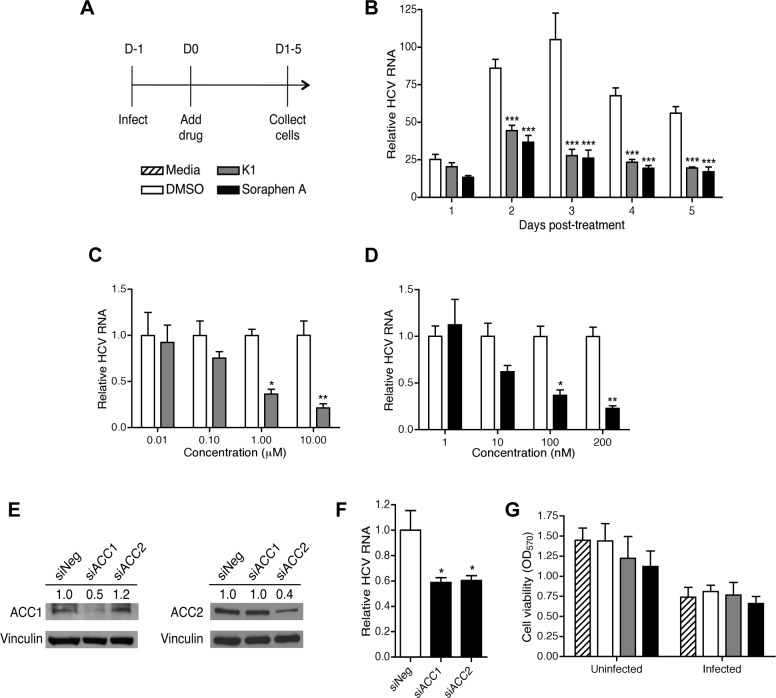
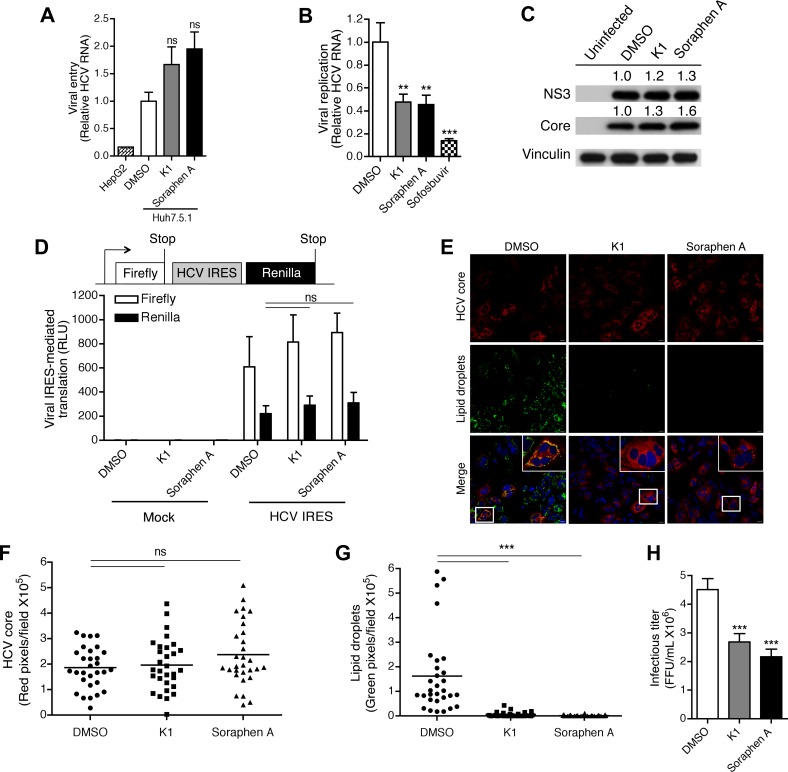
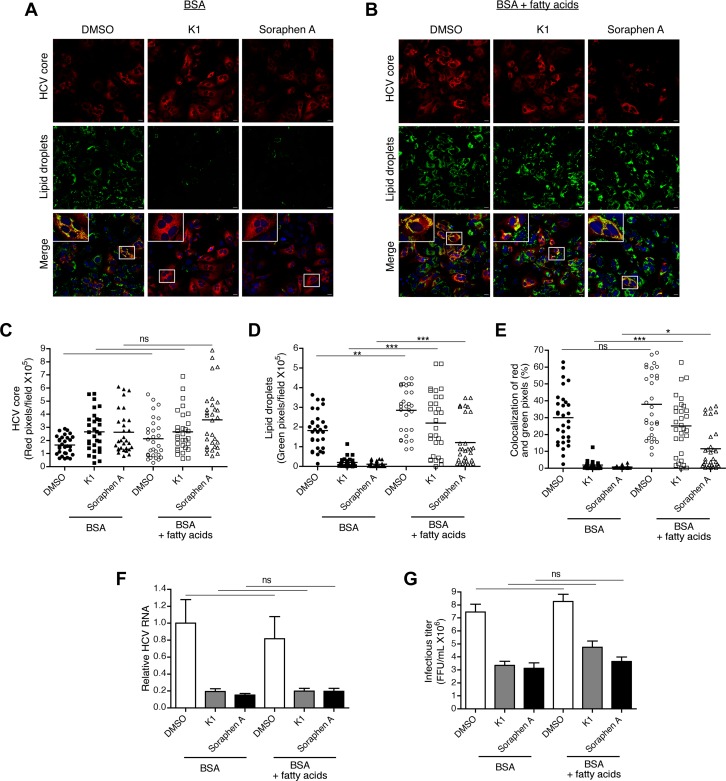
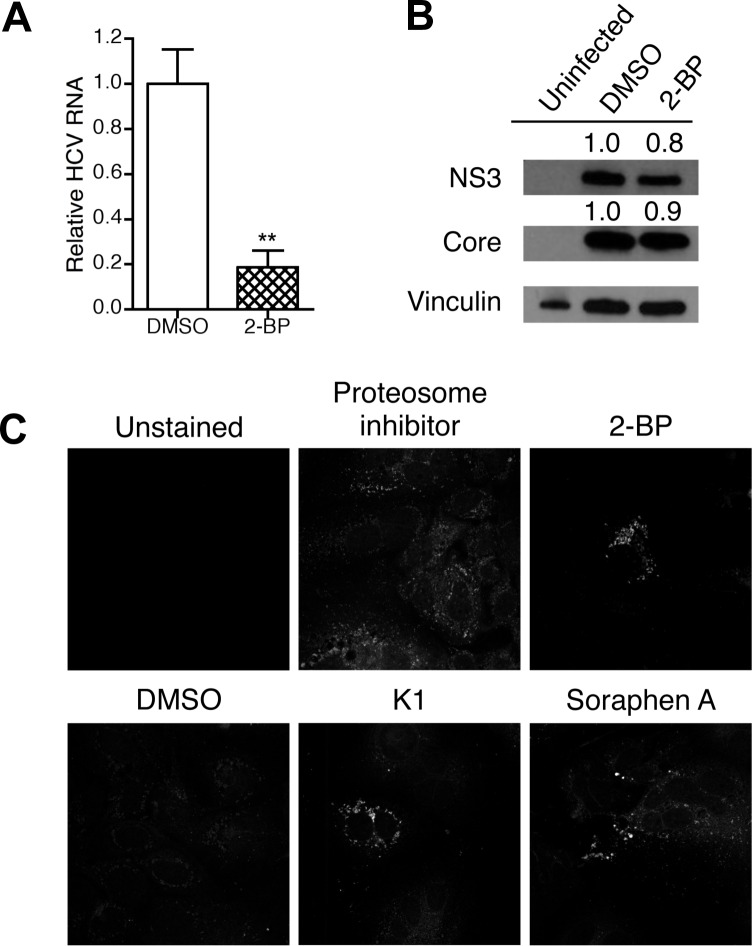
Hepatitis C is a chronic liver disease that contributes to progressive metabolic dysfunction. Infection of hepatocytes by hepatitis C virus (HCV) results in reprogramming of hepatic and serum lipids. However, the specific contribution of these distinct pools of lipids to HCV infection remains ill defined. In this study, we investigated the role of hepatic lipogenesis in HCV infection by targeting the rate-limiting step in this pathway, which is catalyzed by the acetyl-CoA carboxylase (ACC) enzymes. Using two structurally unrelated ACC inhibitors, we determined that blockade of lipogenesis resulted in reduced viral replication, assembly, and release. Supplementing exogenous lipids to cells treated with ACC inhibitors rescued HCV assembly with no effect on viral replication and release. Intriguingly, loss of viral RNA was not recapitulated at the protein level and addition of 2-bromopalmitate, a competitive inhibitor of protein palmitoylation, mirrored the effects of ACC inhibitors on reduced viral RNA without a concurrent loss in protein expression. These correlative results suggest that newly synthesized lipids may have a role in protein palmitoylation during HCV infection.
Conflict of interest statement
Figures
References
-
- Chen S, Yin P, Zhao X, Xing W, Hu C, Zhou L, et al. Serum lipid profiling of patients with chronic hepatitis B, cirrhosis, and hepatocellular carcinoma by ultra fast LC/IT-TOF MS. Electrophoresis. 2013;34(19):2848–56. Epub 2013/11/15. . - PubMed
MeSH terms
Substances
Grants and funding
LinkOut - more resources
Full Text Sources
Other Literature Sources
Medical
Research Materials
