


Systematic Review of Focal Prostate Brachytherapy and the Future Implementation of Image-Guided Prostate HDR Brachytherapy Using MR-Ultrasound Fusion
- PMID: 27293899
- PMCID: PMC4884850
- DOI: 10.1155/2016/4754031
Systematic Review of Focal Prostate Brachytherapy and the Future Implementation of Image-Guided Prostate HDR Brachytherapy Using MR-Ultrasound Fusion
Abstract
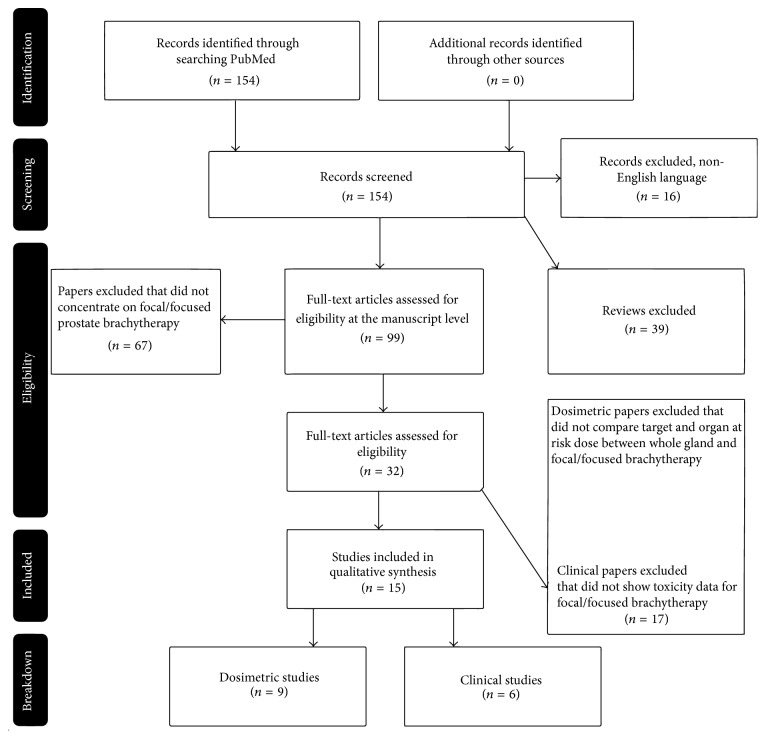
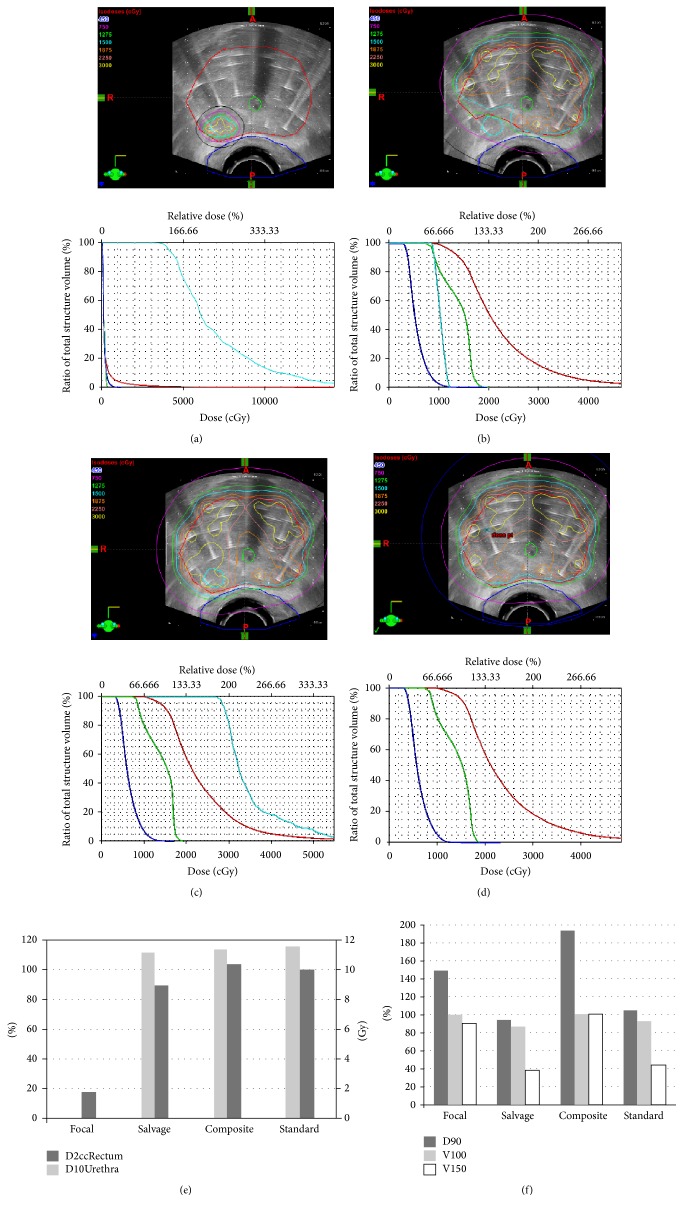
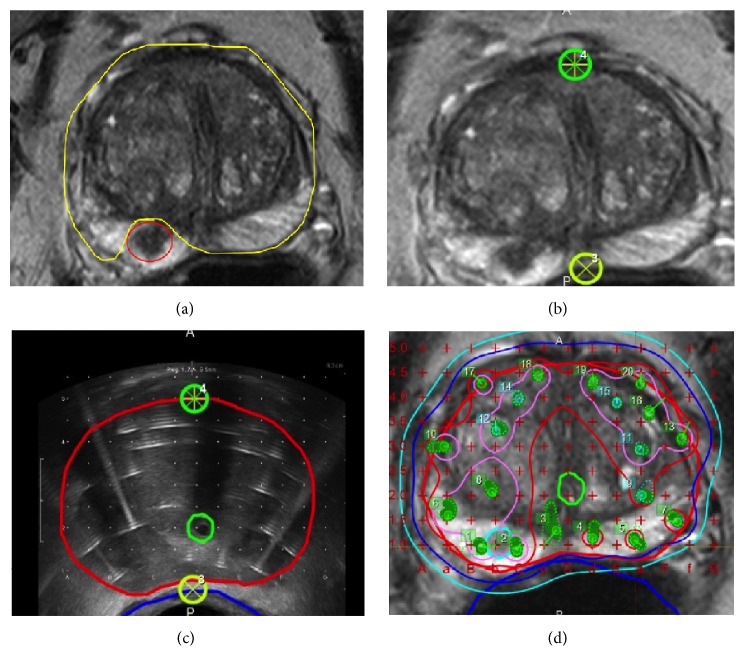
Prostate cancer is the most common malignancy found in North American and European men and the second most common cause of cancer related death. Since the practice of PSA screening has become common the disease is most often found early and can have a long indolent course. Current definitive therapy treats the whole gland but has considerable long-term side effects. Focal therapies may be able to target the cancer while decreasing dose to organs at risk. Our objective was to determine if focal prostate brachytherapy could meet target objectives while permitting a decrease in dose to organs at risk in a way that would allow future salvage treatments. Further, we wanted to determine if focal treatment results in less toxicity. Utilizing the Medline repository, dosimetric papers comparing whole gland to partial gland brachytherapy and clinical papers that reported toxicity of focal brachytherapy were selected. A total of 9 dosimetric and 6 clinical papers met these inclusion criteria. Together, these manuscripts suggest that focal brachytherapy may be employed to decrease dose to organs at risk with decreased toxicity. Of current technology, image-guided HDR brachytherapy using MRI registered to transrectal ultrasound offers the flexibility and efficiency to achieve such focal treatments.
Figures
References
-
- National Comprehensive Cancer Network. Prostate Cancer (Version 1.2015) 2015. - PubMed
Publication types
LinkOut - more resources
Full Text Sources
Other Literature Sources
Research Materials
Miscellaneous
